
Renault Expands Focus on Next-Gen EVs and EREVs
Updated March 27, 2026
3 min read
1 linked source
Renault is intensifying its commitment to the electric vehicle (EV) market by developing next-generation EVs and Extended Range Electric Vehicles (EREVs). The French automaker, already a strong player in Europe, aims to enhance its offerings with new technologies, including an 800V architecture. This move is part of Renault's strategy to capture a larger share of the growing EV market.
Share this story
Why it matters
- ✓Increased competition in the EV market may lead to more options and better pricing for consumers.
- ✓Next-gen EVs and EREVs could provide longer driving ranges, addressing range anxiety for potential buyers.
- ✓Renault's advancements in technology may influence other manufacturers to innovate, benefiting overall EV development.
Reporting notes
EV Signal briefs are written to explain the verified change first, then add the context EV buyers and owners need to understand cost, availability, charging access, eligibility, or ownership impact.
If details are still developing, we try to say what is confirmed, what comes from secondary reporting, and what readers should verify before acting.
Source mix
1 linked source
1 media
Reviewed from: InsideEVs.
Renault Expands Focus on Next-Gen EVs and EREVs
Renault, the French automotive manufacturer, is making significant strides in the electric vehicle (EV) sector, aiming to solidify its position in the competitive European market. With a history of innovation and a commitment to sustainability, Renault is now setting its sights on developing next-generation EVs and Extended Range Electric Vehicles (EREVs). This strategic move is expected to enhance the company’s offerings and appeal to a broader audience of EV buyers.
Current Standing in the EV Market
Renault has already established itself as a formidable player in the European EV market. The company has seen considerable success with its existing electric models, which have garnered positive reviews for their performance and affordability. However, the automaker recognizes that to maintain and expand its market share, it must innovate continuously and adapt to the evolving needs of consumers.
Next-Gen EVs and EREVs
The focus on next-generation EVs and EREVs signifies Renault's commitment to advancing its technology and product lineup. EREVs, which combine electric propulsion with a gasoline engine, offer a solution to range anxiety, allowing drivers to travel longer distances without the need for frequent charging. This hybrid approach could appeal to consumers who are hesitant to fully transition to all-electric vehicles due to concerns about charging infrastructure and range limitations.
Renault's plans include the development of vehicles utilizing an 800V architecture, which is designed to enhance charging speeds and improve overall efficiency. This technology allows for faster charging times, making it more convenient for users to recharge their vehicles during long trips or daily commutes. As charging infrastructure continues to expand across Europe, the integration of such advanced technology could position Renault favorably against competitors.
Implications for EV Buyers and Owners
The shift towards next-gen EVs and EREVs is significant for current and prospective EV buyers. Here are a few key implications:
- Increased Options: As Renault expands its lineup, consumers will have more choices in the EV market, potentially leading to better pricing and features that suit their needs.
- Enhanced Driving Range: The introduction of EREVs could alleviate range anxiety for many drivers, making electric vehicles a more appealing option for those who frequently travel longer distances.
- Technological Advancements: With Renault investing in cutting-edge technology, consumers can expect improvements in charging efficiency and vehicle performance, enhancing the overall ownership experience.
Conclusion
Renault's commitment to developing next-generation EVs and EREVs reflects a broader trend in the automotive industry towards electrification and sustainability. As the company seeks to expand its presence in the European market, its focus on innovation and technology will likely benefit both current and future EV owners. By addressing common concerns such as range anxiety and charging times, Renault is positioning itself as a leader in the evolving landscape of electric mobility.
As the EV market continues to grow, Renault's initiatives may inspire other manufacturers to enhance their offerings, ultimately benefiting consumers with more advanced and accessible electric vehicles.
Sources
These are the documents and reports used to build this brief so readers can verify the story directly.
- Renault Bets On Next-Gen EVs And EREVs For Its Future — InsideEVsMEDIA
Comments
Log in with
Loading comments…
More in Models & Pricing
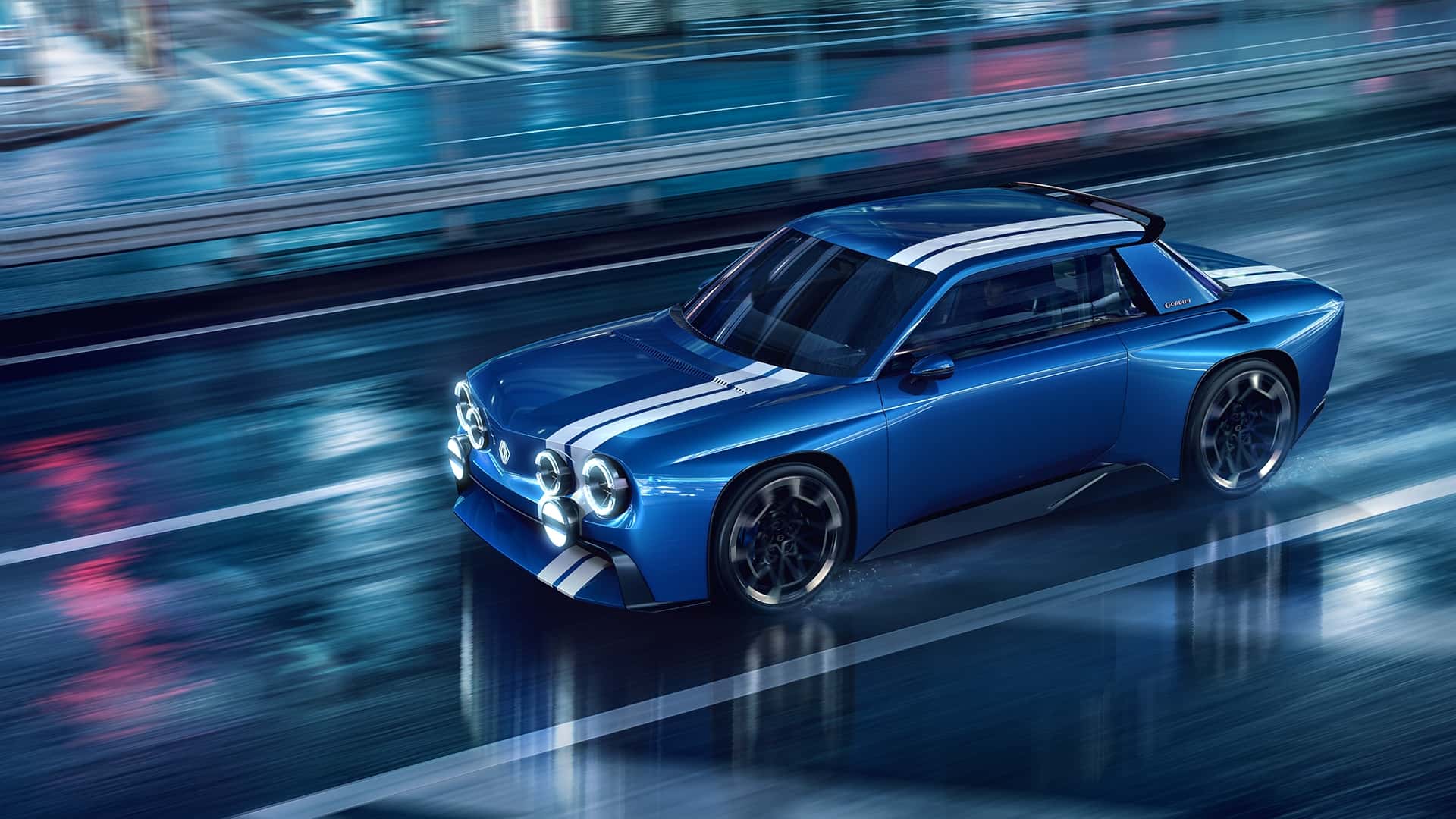
Renault 8 Gordini Returns as Rear-Wheel Drive EV
Renault has unveiled the return of the iconic Renault 8 Gordini as a rear-wheel drive electric…
Just now
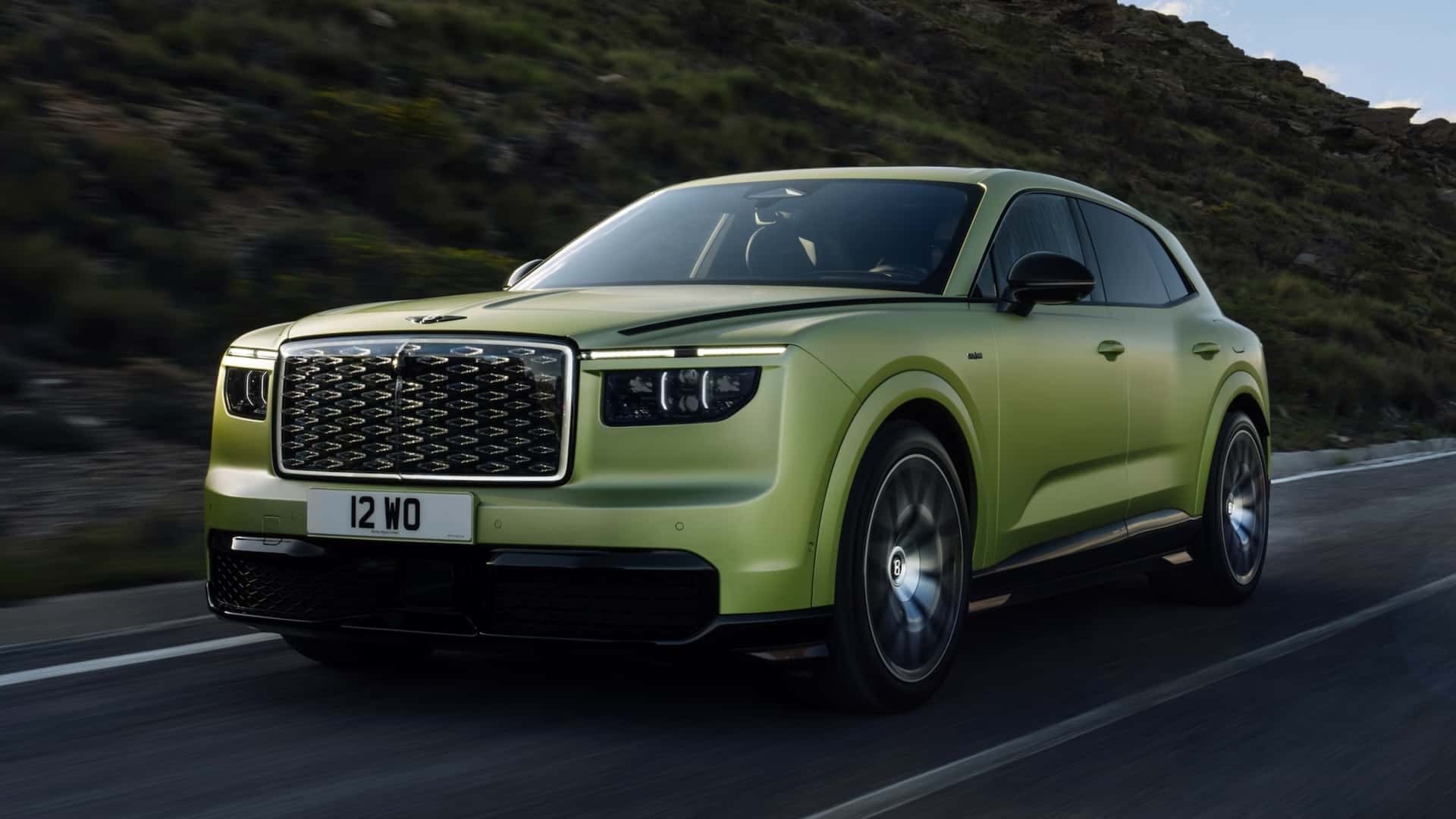
Bentley's First EV, the Torcal, Offers Rapid Charging Capabilities
Bentley has launched its first electric vehicle, the Torcal, a midsize SUV that boasts rapid…
12h ago
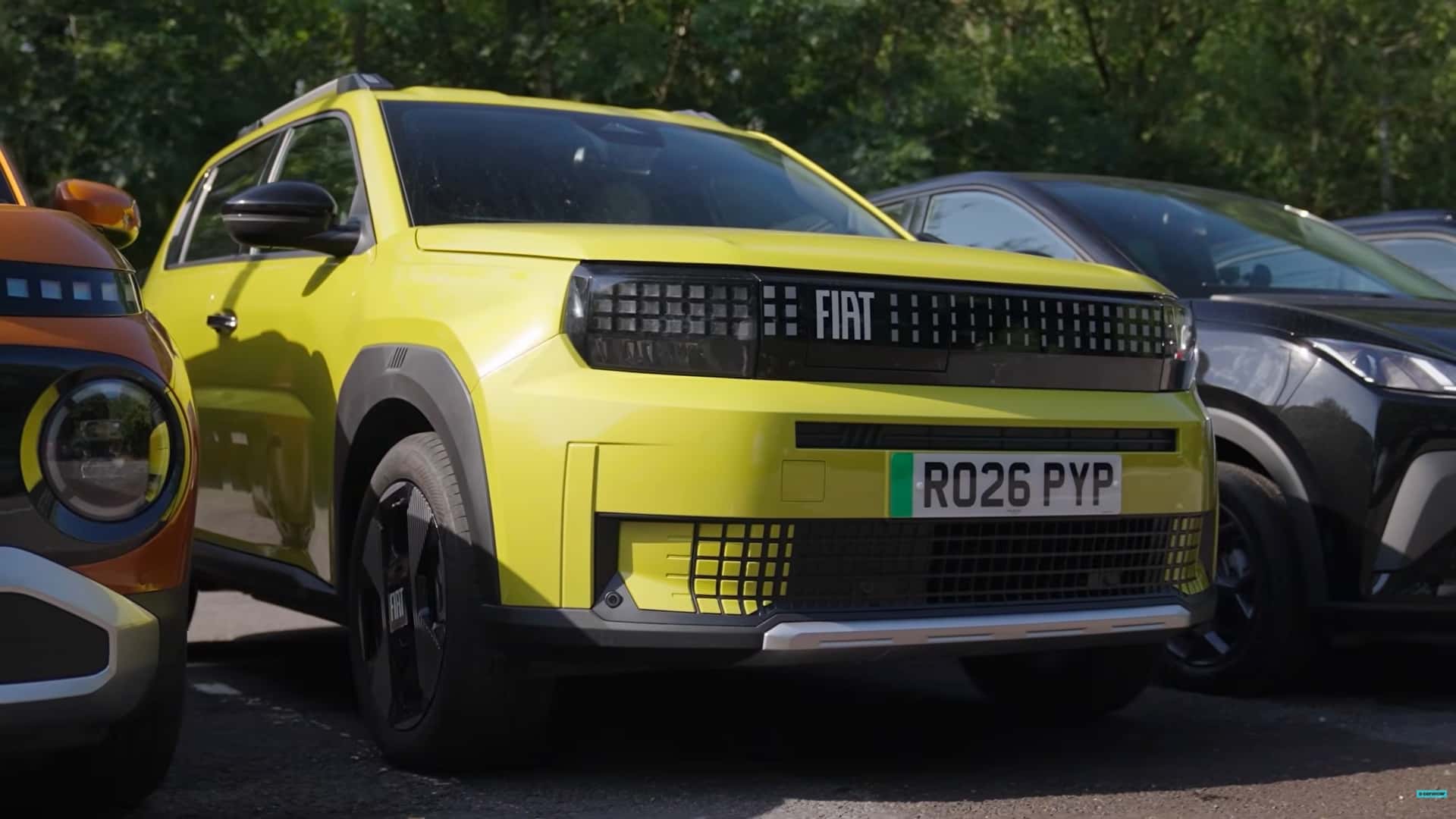
Fiat Grande Panda Outperforms Claimed Range in Real-World Test
In a recent highway range test, the Fiat Grande Panda exceeded its officially claimed range,…
12h ago
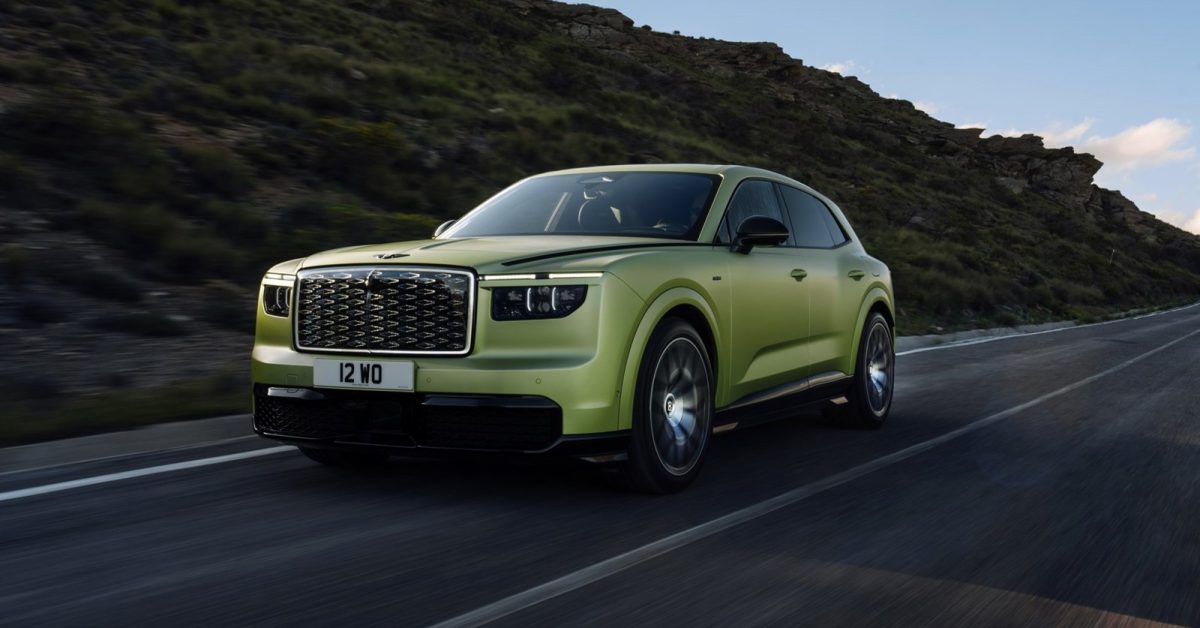
Bentley Launches Torcal, Its First All-Electric SUV
Bentley has officially unveiled the Torcal, marking its entry into the electric vehicle market.…
12h ago