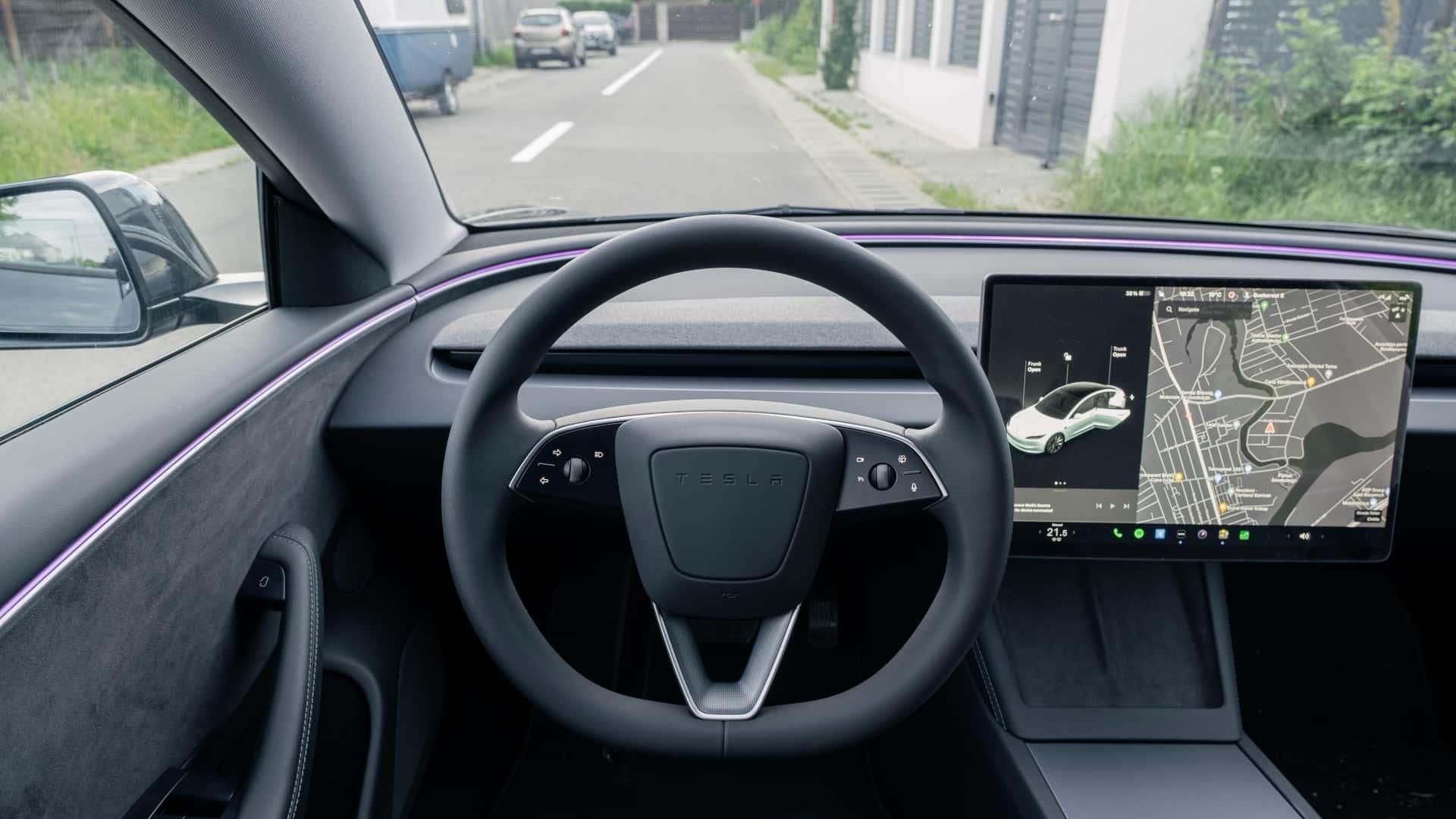
Regulatory Hurdles Delay Tesla FSD Rollout in Europe
Updated May 5, 2026
3 min read
1 linked source
While the Netherlands has approved Tesla's Full Self-Driving (FSD) system, other European regulators are still seeking additional information before allowing a wider rollout. This uncertainty affects Tesla owners and potential buyers in Europe who are awaiting the full capabilities of the FSD feature.
Share this story
Why it matters
- ✓Potential delays in the availability of Tesla's FSD may impact buyers' decisions and the overall adoption of autonomous driving technology in Europe.
- ✓Uncertainty around regulatory approval could affect the resale value of Tesla vehicles equipped with FSD, as features may not be fully operational.
- ✓Continued scrutiny from regulators may lead to changes in FSD functionality, impacting day-to-day use for current and future Tesla owners.
Reporting notes
EV Signal briefs are written to explain the verified change first, then add the context EV buyers and owners need to understand cost, availability, charging access, eligibility, or ownership impact.
If details are still developing, we try to say what is confirmed, what comes from secondary reporting, and what readers should verify before acting.
Source mix
1 linked source
1 media
Reviewed from: InsideEVs.
Regulatory Hurdles Delay Tesla FSD Rollout in Europe
Tesla's Full Self-Driving (FSD) system has received a significant approval from Dutch regulators, marking a notable step forward for the company's autonomous driving technology in Europe. However, other regulatory bodies across the continent remain cautious and are demanding further information before they will permit a broader rollout of the FSD feature. This situation leaves many Tesla owners and prospective buyers in a state of uncertainty regarding the availability and functionality of FSD in their vehicles.
What Changed
The approval from the Netherlands is a crucial milestone for Tesla, as it signifies that at least one European country is willing to endorse the use of its FSD technology. Despite this progress, regulators in other countries are not yet ready to follow suit. They are seeking additional answers from Tesla regarding the safety and reliability of the FSD system before they can consider allowing its use on public roads. This cautious approach reflects the broader regulatory landscape in Europe, where autonomous driving technologies are under intense scrutiny.
Why It Matters for Buyers and Owners
The ongoing regulatory review process has several implications for current and potential Tesla owners in Europe:
- Availability Delays: The uncertainty surrounding FSD's broader rollout may lead to delays in its availability, affecting buyers who are eager to utilize advanced autonomous features in their vehicles.
- Resale Value Concerns: As FSD is a significant selling point for Tesla vehicles, any delays or limitations imposed by regulators could impact the resale value of these cars, particularly for those equipped with FSD hardware but lacking full functionality.
- Operational Changes: If regulators require modifications to the FSD system based on their findings, current Tesla owners may experience changes in how the feature operates, potentially affecting their day-to-day driving experience.
Key Details from Source Material
According to InsideEVs, the approval from Dutch authorities is a positive development for Tesla, but it does not guarantee that other European nations will adopt the same stance. The article emphasizes that regulators in various countries are still seeking comprehensive answers from Tesla regarding the FSD system's performance and safety metrics. This ongoing dialogue suggests that while progress is being made, the path to widespread acceptance of FSD in Europe is fraught with challenges.
What to Watch Next
As this situation develops, it is essential for Tesla owners and potential buyers to stay informed about regulatory updates from various European countries. Key points to monitor include:
- Regulatory Announcements: Watch for statements from regulators in other European nations regarding their stance on Tesla's FSD and any requirements they may impose.
- Tesla's Response: Keep an eye on how Tesla addresses the concerns raised by regulators and whether they can provide the necessary information to facilitate a broader rollout.
- Market Reactions: Observe how the uncertainty impacts Tesla's sales in Europe and whether it influences consumer interest in the FSD feature.
In conclusion, while the approval from the Netherlands is a step forward for Tesla's FSD system, the broader regulatory landscape in Europe remains complex and uncertain. Buyers and owners should remain vigilant as developments unfold.
Sources
These are the documents and reports used to build this brief so readers can verify the story directly.
Comments
Log in with
Loading comments…
More in Software
Mercedes Partners with Wayve for Advanced Driver Assistance System
Mercedes-Benz has announced a collaboration with Wayve to develop a driver assistance system…
1d ago
Tesla Full Self-Driving Update Issues False Camera Alerts
Tesla's latest Full Self-Driving update, version 14.3.9, is erroneously alerting owners that their…
1d ago
Mercedes-Benz Partners with Wayve for AI Driver Integration in Future Vehicles
Mercedes-Benz has finalized a production agreement with Wayve, a British self-driving startup, to…
1d ago
Tesla Cybercab Faces Navigation Issues Similar to Existing Tesla Models
Tesla's new Cybercab robotaxis are reportedly experiencing navigation problems, taking unusual…
2d ago