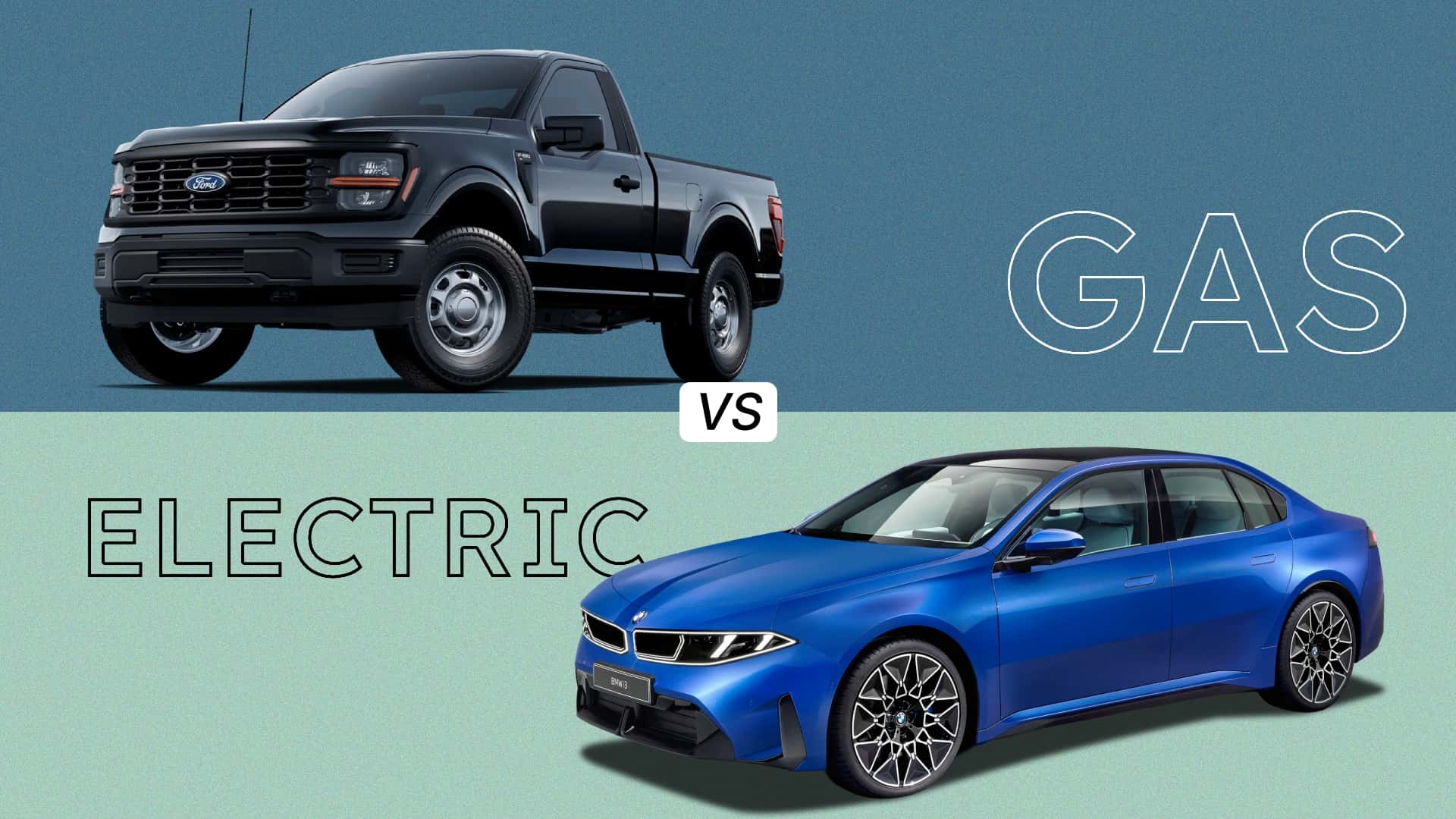
Rapid Advancements in EV Technology Outpace Gasoline Vehicles
Updated July 7, 2026
3 min read
1 linked source
Electric vehicles (EVs) have shown significant improvements in various key areas over the past two years, surpassing the progress observed in gasoline vehicles over the last decade. This rapid evolution is making it increasingly difficult to envision a future for gasoline engines, as they struggle to keep pace with advancements in EV technology. The findings highlight a transformative shift in the automotive industry that affects potential buyers and current owners alike.
Share this story
Why it matters
- ✓EV buyers can expect better performance, efficiency, and features, enhancing the overall ownership experience.
- ✓As EV technology continues to advance, the resale value of gasoline vehicles may decline, impacting current owners.
- ✓Improved EV capabilities could lead to greater acceptance and adoption of electric vehicles, influencing market availability and pricing.
Reporting notes
EV Signal briefs are written to explain the verified change first, then add the context EV buyers and owners need to understand cost, availability, charging access, eligibility, or ownership impact.
If details are still developing, we try to say what is confirmed, what comes from secondary reporting, and what readers should verify before acting.
Source mix
1 linked source
1 media
Reviewed from: InsideEVs.
Rapid Advancements in EV Technology Outpace Gasoline Vehicles
Electric vehicles (EVs) have demonstrated remarkable advancements in key performance areas over the last two years, significantly outpacing the improvements seen in gasoline vehicles over the past decade. This trend raises questions about the future viability of gasoline engines as EV technology continues to evolve at a rapid pace.
What Changed
According to a feature from InsideEVs, the improvements in EVs encompass various aspects such as range, charging speed, performance, and technology integration. These enhancements have made EVs not only more appealing but also more practical for everyday use. The article emphasizes that the rate of innovation in the EV sector is accelerating, making it increasingly challenging for traditional gasoline vehicles to compete.
Why It Matters for Buyers and Owners
The implications of these advancements are significant for both potential EV buyers and current gasoline vehicle owners:
- Enhanced Ownership Experience: As EVs become more efficient and feature-rich, buyers can expect a more satisfying ownership experience, with better performance and lower operating costs.
- Declining Resale Value for Gasoline Vehicles: With the rapid rise of EVs, the resale value of gasoline vehicles may decrease, affecting current owners who may wish to sell or trade in their cars in the future.
- Increased Market Acceptance: As EV technology improves, it is likely to lead to wider acceptance among consumers, which could influence market dynamics, availability, and pricing for both EVs and gasoline vehicles.
Key Details from Source Material
The insights provided by InsideEVs highlight a transformative shift in the automotive landscape. The article notes that the advancements in EV technology are not just incremental; they represent a significant leap forward that is reshaping consumer expectations and industry standards. The rapid pace of innovation is making it increasingly difficult to justify the continued production and use of gasoline engines, as they struggle to match the efficiency and performance of their electric counterparts.
What to Watch Next
As the automotive industry continues to evolve, it will be important to monitor how these advancements impact market trends, consumer preferences, and regulatory policies. Key areas to watch include:
- New EV Models: The introduction of new models with advanced features and capabilities will likely continue to drive consumer interest in EVs.
- Charging Infrastructure: Improvements in charging infrastructure will play a crucial role in the widespread adoption of EVs, making it easier for consumers to transition from gasoline vehicles.
- Market Dynamics: Observing how manufacturers respond to the growing demand for EVs and the declining interest in gasoline vehicles will provide insights into the future of the automotive market.
In conclusion, the rapid improvements in EV technology signal a pivotal moment in the automotive industry, one that could redefine consumer choices and reshape the future of transportation. As these changes unfold, both potential buyers and current owners should stay informed about the evolving landscape.
Sources
These are the documents and reports used to build this brief so readers can verify the story directly.
Comments
Log in with
Loading comments…
More in Ownership
Tesla's Lawyers Misled Witness in Racism Trial
Tesla's ongoing racism trial in California has faced significant setbacks as it was revealed that a…
18h ago
Rivian R2 Faces First Recall Due to Camera Issue
Rivian has issued a recall affecting nearly 99,000 vehicles, including some of its new R2 models,…
18h ago
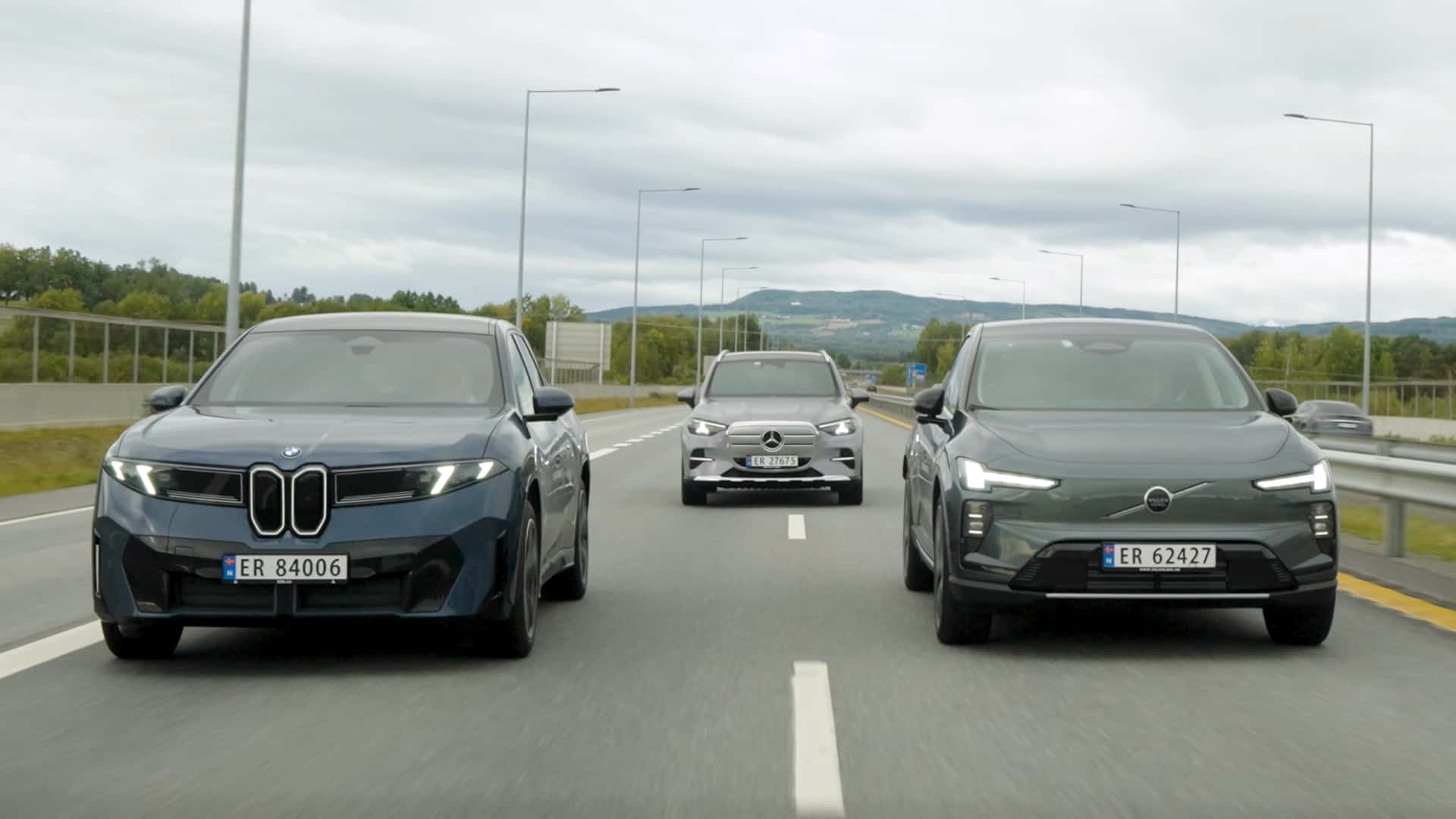
BMW iX3 Outperforms Mercedes GLC and Volvo EX60 in Highway Efficiency Test
In a recent highway test, the BMW iX3 demonstrated superior energy efficiency and range compared to…
1d ago
PHEV Batteries Show Resilience Despite Frequent Cycling
Plug-in hybrid electric vehicles (PHEVs) experience more frequent battery cycling than fully…
1d ago