Rad Power Bikes Plans to Manufacture E-Bikes in the US After Acquisition
Updated March 11, 2026
5 min read
2 linked sources
Rad Power Bikes has been acquired by Life Electric Vehicles Holdings, which aims to revitalize the brand by manufacturing e-bikes in the United States. While the new ownership expresses optimism about American production, industry challenges may complicate this goal. The feasibility of building e-bikes domestically remains uncertain, echoing previous promises made in the sector.
Share this story
Why it matters
- ✓If successful, American-made e-bikes could enhance supply chain reliability for buyers.
- ✓Domestic production may lead to job creation within the e-bike industry.
- ✓Potentially improved quality control and customer service for US consumers.
Reporting notes
EV Signal briefs are written to explain the verified change first, then add the context EV buyers and owners need to understand cost, availability, charging access, eligibility, or ownership impact.
If details are still developing, we try to say what is confirmed, what comes from secondary reporting, and what readers should verify before acting.
Source mix
2 linked sources
1 media
Reviewed from: Electrek.
Rad Power Bikes Plans to Manufacture E-Bikes in the US After Acquisition
Rad Power Bikes, once a leading name in North America's direct-to-consumer e-bike market, has officially transitioned to new ownership following its acquisition by Life Electric Vehicles Holdings (Life EV). This acquisition, completed under court approval, includes Rad Power Bikes' brand, intellectual property, inventory, and certain operating assets. With this new chapter, Life EV aims to revitalize the Rad Power brand by shifting e-bike manufacturing to the United States. However, while the prospect of American-made e-bikes is enticing, the reality of domestic production presents a host of challenges that could complicate this ambitious goal.
The Acquisition: A New Beginning for Rad Power Bikes
Rad Power Bikes has long been recognized for its innovative and affordable e-bikes, which have made electric cycling accessible to a broader audience. However, the company faced significant financial difficulties, culminating in a bankruptcy filing. The acquisition by Life EV is seen as a lifeline, offering the potential for a fresh start. Life EV has expressed a commitment to not only revitalize the brand but also to establish manufacturing operations within the United States.
This move is significant for several reasons. Firstly, it represents a shift towards domestic production in an industry that has largely relied on overseas manufacturing. Secondly, it aligns with a growing consumer preference for locally made products, which often promise better quality control and shorter supply chains. If successful, this initiative could enhance supply chain reliability for buyers, reduce shipping times, and potentially lower costs associated with tariffs and international logistics.
The Promise of American-Made E-Bikes
The idea of manufacturing e-bikes in the U.S. is appealing for various stakeholders. For consumers, American-made products often come with the assurance of higher quality standards and better customer service. Local production can also foster a sense of community and support for domestic jobs, which is increasingly important in today's economy.
Moreover, the U.S. e-bike market is burgeoning, with sales projected to grow significantly in the coming years. The demand for e-bikes is driven by a combination of environmental concerns, urban congestion, and a desire for alternative transportation options. By producing e-bikes domestically, Rad Power Bikes could position itself to better meet this growing demand while also appealing to eco-conscious consumers who prioritize sustainability.
Challenges to Domestic Production
Despite the optimistic outlook from Life EV, the path to manufacturing e-bikes in the U.S. is fraught with challenges. The electric bicycle industry has historically faced hurdles related to production costs, supply chain logistics, and competition from established overseas manufacturers.
1. Cost of Production
One of the most significant barriers to domestic manufacturing is the cost. Producing e-bikes in the U.S. can be significantly more expensive than manufacturing them in countries with lower labor costs, such as China or Taiwan. This cost disparity can lead to higher retail prices for consumers, which may deter potential buyers.
2. Supply Chain Issues
The e-bike industry relies on a complex supply chain for components such as batteries, motors, and frames. Many of these parts are currently sourced from overseas suppliers. Establishing a reliable domestic supply chain will require significant investment and time. Life EV will need to navigate relationships with suppliers and potentially invest in local manufacturing capabilities for key components.
3. Regulatory Hurdles
Manufacturing in the U.S. also comes with regulatory challenges. Compliance with safety standards, environmental regulations, and labor laws can complicate the manufacturing process. Life EV will need to ensure that all aspects of production meet these regulations, which can add time and costs to the manufacturing timeline.
4. Market Competition
The e-bike market is increasingly competitive, with numerous brands vying for consumer attention. Established players with well-established supply chains and production processes may have a significant advantage over new entrants attempting to manufacture domestically. Life EV will need to differentiate Rad Power Bikes in a crowded market while also managing the complexities of launching a new production line.
Implications for E-Bike Buyers and Owners
If Life EV successfully establishes domestic manufacturing for Rad Power Bikes, the implications for e-bike buyers and owners could be profound.
1. Job Creation
Domestic production could lead to job creation within the e-bike industry. Manufacturing jobs, as well as positions in supply chain management, logistics, and customer service, could emerge as a result of this initiative. This job growth could have a positive ripple effect on local economies, particularly in areas where manufacturing facilities are established.
2. Improved Quality Control
American-made products often come with the perception of higher quality. With manufacturing taking place closer to the consumer, Rad Power Bikes could implement more stringent quality control measures and respond more quickly to customer feedback. This could enhance the overall customer experience and build brand loyalty.
3. Supply Chain Reliability
A domestic manufacturing operation could improve supply chain reliability for consumers. Shorter shipping times and reduced dependency on international suppliers could lead to faster delivery of products and parts. This reliability is particularly important for e-bike owners who may need replacement parts or service for their bikes.
Conclusion: A Cautious Optimism
While the acquisition of Rad Power Bikes by Life Electric Vehicles Holdings presents an exciting opportunity for the brand and the e-bike market as a whole, the road ahead is not without its challenges. The feasibility of building e-bikes domestically remains uncertain, and the industry has seen similar promises made in the past that have not materialized.
As consumers, we can remain cautiously optimistic about the potential for American-made e-bikes. If Life EV can navigate the complexities of domestic production, it could pave the way for a new era in the e-bike industry—one characterized by enhanced quality, reliability, and job creation. However, it will require careful planning, significant investment, and a commitment to overcoming the hurdles that lie ahead. For now, the industry watches closely as Rad Power Bikes embarks on this ambitious journey.
Sources
These are the documents and reports used to build this brief so readers can verify the story directly.
Comments
Log in with
Loading comments…
More in Buying
Ausom Launches Fall Sale on Electric Scooters
Ausom is holding a Fall Sale this month, offering discounts on its range of electric scooters,…
Just now
BMW Opens US Reservations for New i3 Ahead of Schedule
BMW has announced that it will open reservations for the new i3 in the United States earlier than…
12h ago
Jackery Explorer 5000 Plus Power Station Discounted by $1,000
The Jackery Explorer 5000 Plus Portable Power Station is now available for $1,499, reflecting a…
18h ago
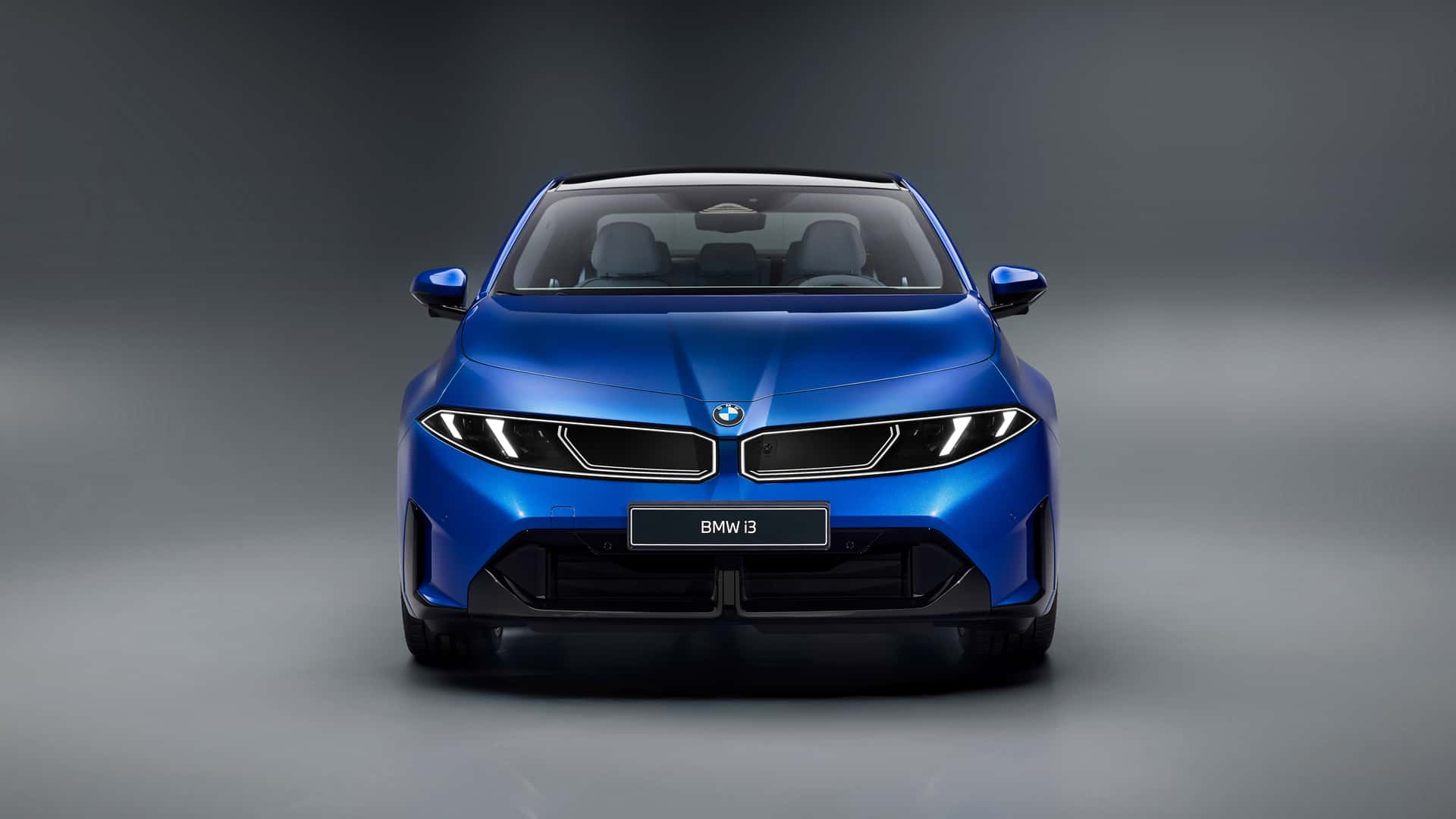
BMW i3 EV Reservations Open Early in the U.S.
BMW has announced that it will begin accepting reservations for the new i3 electric sedan ahead of…
1d ago