
Quebec Test Program Highlights Cost Savings of Electric Heavy Equipment

Edited by Ionna Brakeley
Charging & Ownership
Updated October 8, 2026
3 min read
1 linked source
A new initiative in Quebec, the Plug-In Fleet Heavy Equipment program, is set to monitor and document the performance of electric heavy equipment over three years. This program aims to demonstrate the cost savings and effectiveness of electrifying heavy machinery, which could significantly impact the construction industry. However, the full results and implications of the program will take time to materialize as data is collected.
Share this story
Why it matters
- ✓Potential cost savings for construction companies transitioning to electric heavy equipment.
- ✓Insights gained from the program may influence future purchasing decisions for EV buyers in the heavy machinery sector.
- ✓The program's findings could lead to increased availability and support for electric heavy equipment in the market.
Quebec Test Program Highlights Cost Savings of Electric Heavy Equipment
Quebec's Plug-In Fleet Heavy Equipment initiative is embarking on a three-year program to monitor and document the performance of electric heavy machinery. This initiative aims to showcase the cost savings and effectiveness of transitioning from traditional diesel-powered equipment to electric alternatives, particularly in the construction sector.
What Changed
The Plug-In Fleet Heavy Equipment program is designed to collect and analyze data on electric heavy equipment's performance over the next three years. This initiative is a significant step towards understanding the economic viability of electric machinery in construction, which has historically relied on fossil fuels. The program's findings could provide valuable insights into the operational costs, efficiency, and overall effectiveness of electric heavy equipment.
Why It Matters for Buyers/Owners
The implications of this initiative could be substantial for construction companies and other stakeholders in the heavy machinery market:
- Cost Savings: If the program demonstrates significant cost savings, it could encourage more companies to invest in electric heavy equipment, potentially leading to lower operational costs.
- Informed Purchasing Decisions: The data collected may influence purchasing decisions for EV buyers in the heavy machinery sector, as they will have access to performance metrics and cost comparisons.
- Market Availability: Positive results from the program could lead to increased availability and support for electric heavy equipment, making it a more viable option for construction companies.
Key Details from Source Material
According to Electric Autonomy Canada, the Plug-In Fleet Heavy Equipment initiative will focus on monitoring performance data over a three-year period. The program aims to provide a comprehensive understanding of how electric heavy equipment performs in real-world conditions, which is crucial for future fleet electrification efforts. The initiative is expected to yield insights that could reshape the construction industry's approach to equipment procurement and usage.
What to Watch Next
As the Plug-In Fleet Heavy Equipment program progresses, stakeholders should keep an eye on the performance data released over the next three years. This data will be critical in assessing the feasibility of electric heavy equipment in various construction applications. Additionally, updates on the program's findings will be essential for understanding how these developments might influence market trends and purchasing behavior in the heavy machinery sector.
Overall, while the program is still in its early stages, it represents a promising step towards a more sustainable and cost-effective future for heavy equipment in the construction industry.
Sources
These are the documents and reports used to build this brief so readers can verify the story directly.
- Quebec test program demonstrates cost savings and effectiveness of electric heavy equipment — Electric Autonomy CanadaMEDIA
Reporting notes
EV Signal briefs are written to explain the verified change first, then add the context EV buyers and owners need to understand cost, availability, charging access, eligibility, or ownership impact.
If details are still developing, we try to say what is confirmed, what comes from secondary reporting, and what readers should verify before acting.
Source mix
1 linked source
1 media
Reviewed from: Electric Autonomy Canada.
Comments
Log in with
Loading comments…
More in Ownership

E-bikes in Europe Face Repair Shortage Amid Growing Popularity
As e-bikes gain popularity across Europe, a significant issue has emerged: a shortage of qualified…
2h ago

Tesla Cybercab Loses Driver-Side Door Panel in Philadelphia Crash
A Tesla Cybercab was involved in a crash in Philadelphia, resulting in the complete loss of its…
2h ago
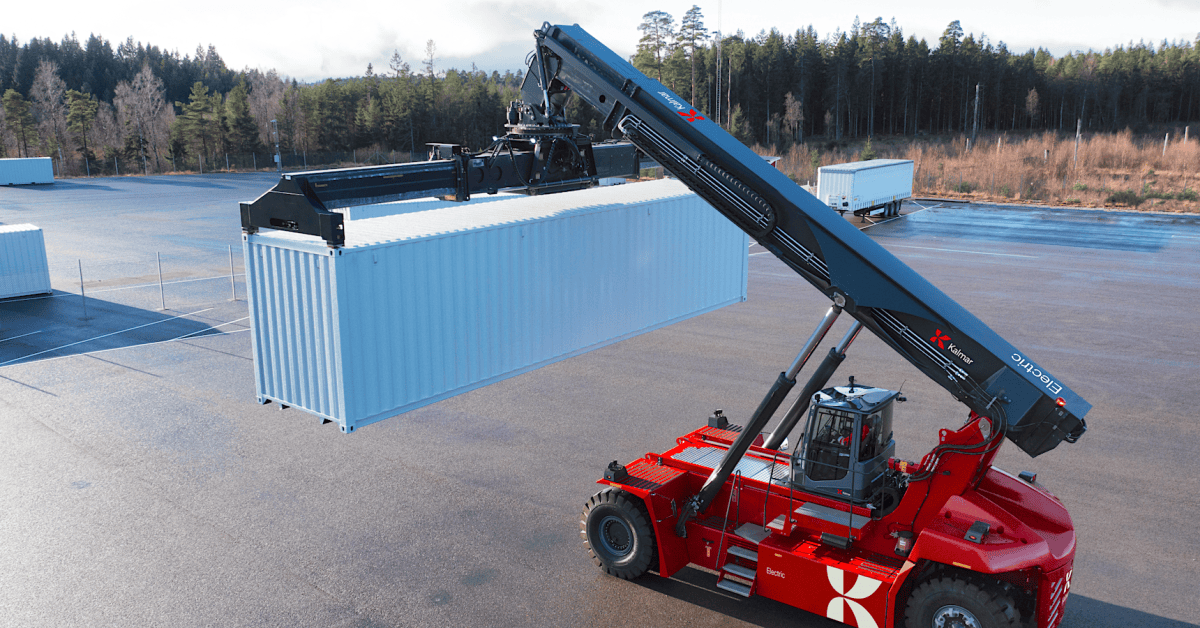
Port of Helsingborg Acquires Two Electric Reach Stackers from Kalmar
The Port of Helsingborg has ordered two new electric reach stackers from Kalmar, marking a…
2h ago
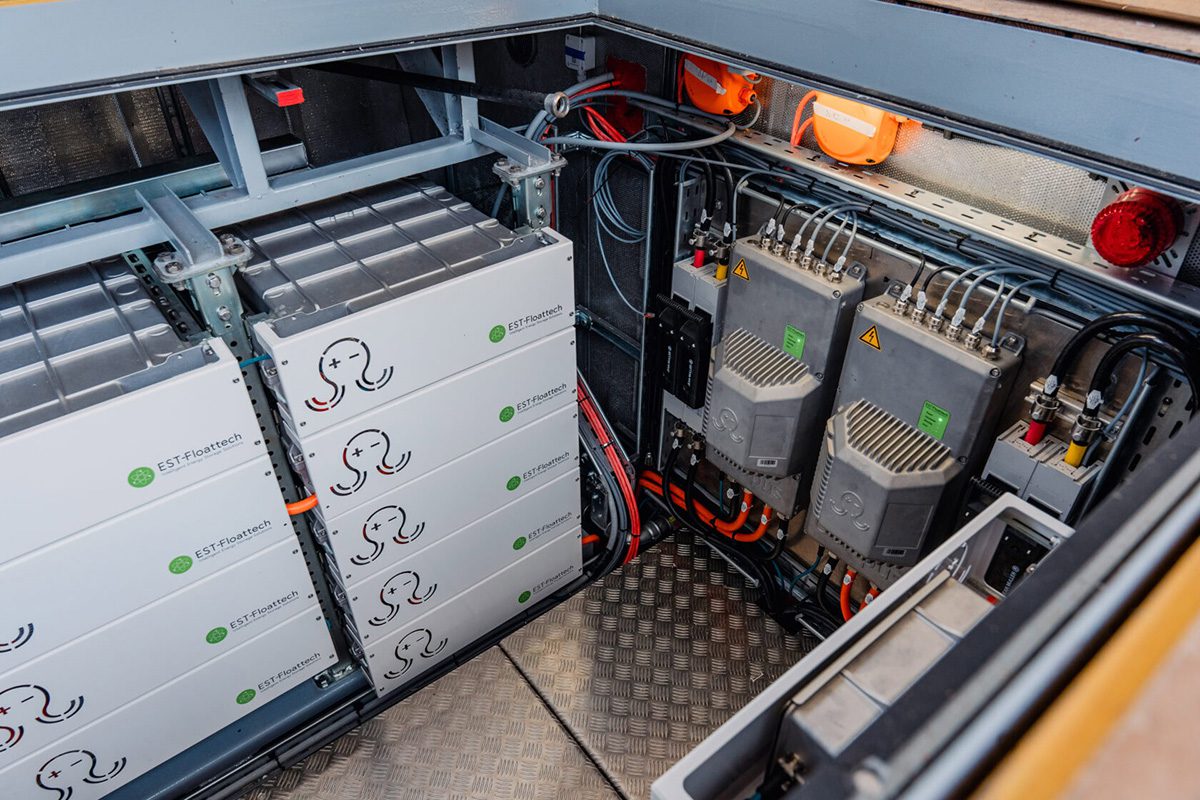
EST-Floattech to Supply Octopus High Energy Battery System for Hybrid Ship
EST-Floattech has been contracted by Siemens Energy to provide the Octopus High Energy battery…
8h ago