
Proposed US Bill Would Overcharge EVs to Fund Road Maintenance
Updated May 18, 2026
3 min read
1 linked source
A new bill has been proposed in the U.S. that aims to impose additional taxes on electric vehicles (EVs) to help cover road maintenance costs. This move targets the approximately 2% of vehicles on the road that are EVs, which contribute minimally to road damage, while gas taxes have remained unchanged since 1993. The bill raises concerns about the fairness of taxing EV owners for road damage they are not causing.
Share this story
Why it matters
- ✓EV owners may face increased costs due to the proposed tax, impacting the overall affordability of electric vehicles.
- ✓The bill highlights a growing trend of penalizing EVs despite their lower impact on road infrastructure, potentially discouraging further adoption.
- ✓With gas taxes potentially being eliminated, the burden of road maintenance may disproportionately fall on EV drivers.
Reporting notes
EV Signal briefs are written to explain the verified change first, then add the context EV buyers and owners need to understand cost, availability, charging access, eligibility, or ownership impact.
If details are still developing, we try to say what is confirmed, what comes from secondary reporting, and what readers should verify before acting.
Source mix
1 linked source
1 media
Reviewed from: Electrek.
Proposed Tax on EVs
Lawmakers in the United States have introduced a bill that would impose additional taxes on electric vehicles (EVs) to help fund road maintenance. This proposal has sparked significant debate, particularly because it targets the small percentage of vehicles that are responsible for minimal road damage.
What Changed
The proposed legislation seeks to balance road budgets by placing a financial burden on the approximately 2% of vehicles that are electric. This is concerning for many EV owners, as the bill suggests that they should pay more despite contributing very little to road wear and tear. In contrast, gas taxes, which have not been increased since 1993, are being considered for elimination altogether, raising questions about the fairness of the proposed tax on EVs.
Why It Matters for Buyers and Owners
The implications of this proposed bill are significant for current and prospective EV owners:
- Increased Costs: If passed, the tax could lead to higher ownership costs for EVs, making them less financially attractive compared to traditional gasoline vehicles.
- Discouragement of EV Adoption: The punitive nature of the tax may deter potential buyers from switching to electric vehicles, undermining efforts to promote cleaner transportation options.
- Disproportionate Burden: With gas taxes potentially being eliminated, the financial responsibility for road maintenance could unfairly shift to EV owners, raising equity concerns within transportation funding.
Key Details from Source Material
According to Electrek, the proposed bill is seen as another punitive measure against EVs, which already face various challenges in the market. The article emphasizes that the tax would disproportionately affect a small fraction of vehicles that are not significantly damaging the roads. Furthermore, the long-standing issue of stagnant gas taxes is highlighted, suggesting that lawmakers are looking to EVs as a revenue source rather than addressing the broader funding issues affecting road maintenance.
What to Watch Next
As this bill progresses, it will be important to monitor its development and any potential amendments that may arise. Stakeholders, including EV advocacy groups and environmental organizations, may mobilize to oppose the tax, emphasizing the need for a more equitable approach to road funding. Additionally, public response and lobbying efforts from the automotive industry could influence the bill's fate. Keep an eye on legislative sessions and discussions surrounding transportation funding to stay informed about any changes that could impact EV ownership in the U.S.
Sources
These are the documents and reports used to build this brief so readers can verify the story directly.
Comments
Log in with
Loading comments…
More in Ownership
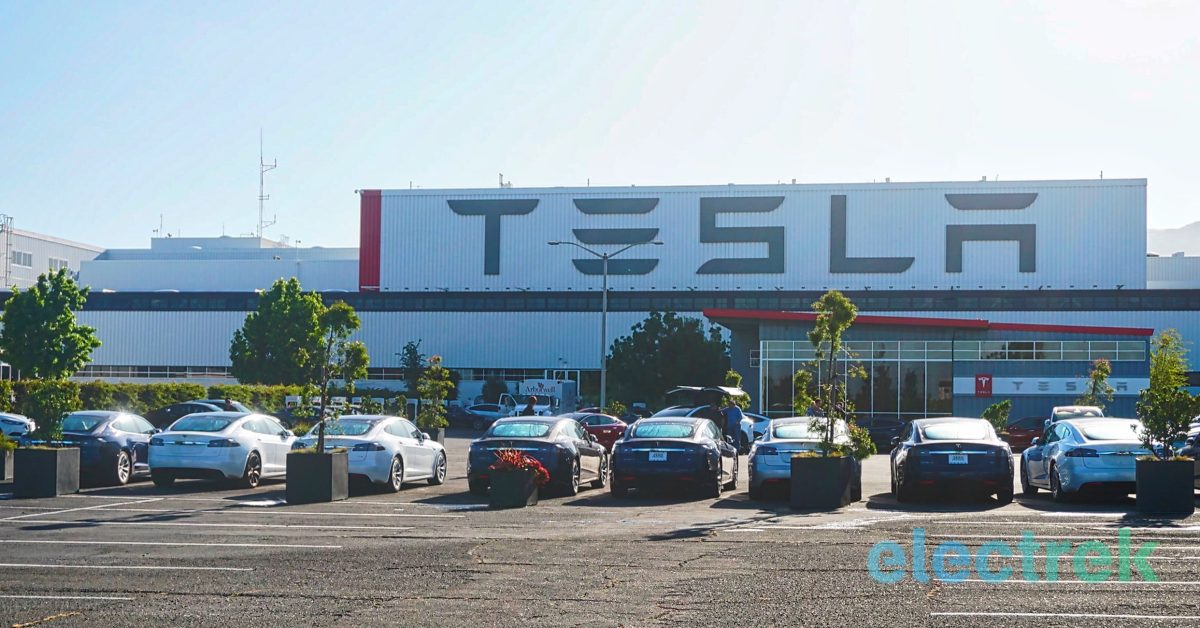
Tesla's Lawyers Misled Witness in Racism Trial
Tesla's ongoing racism trial in California has faced significant setbacks as it was revealed that a…
18h ago
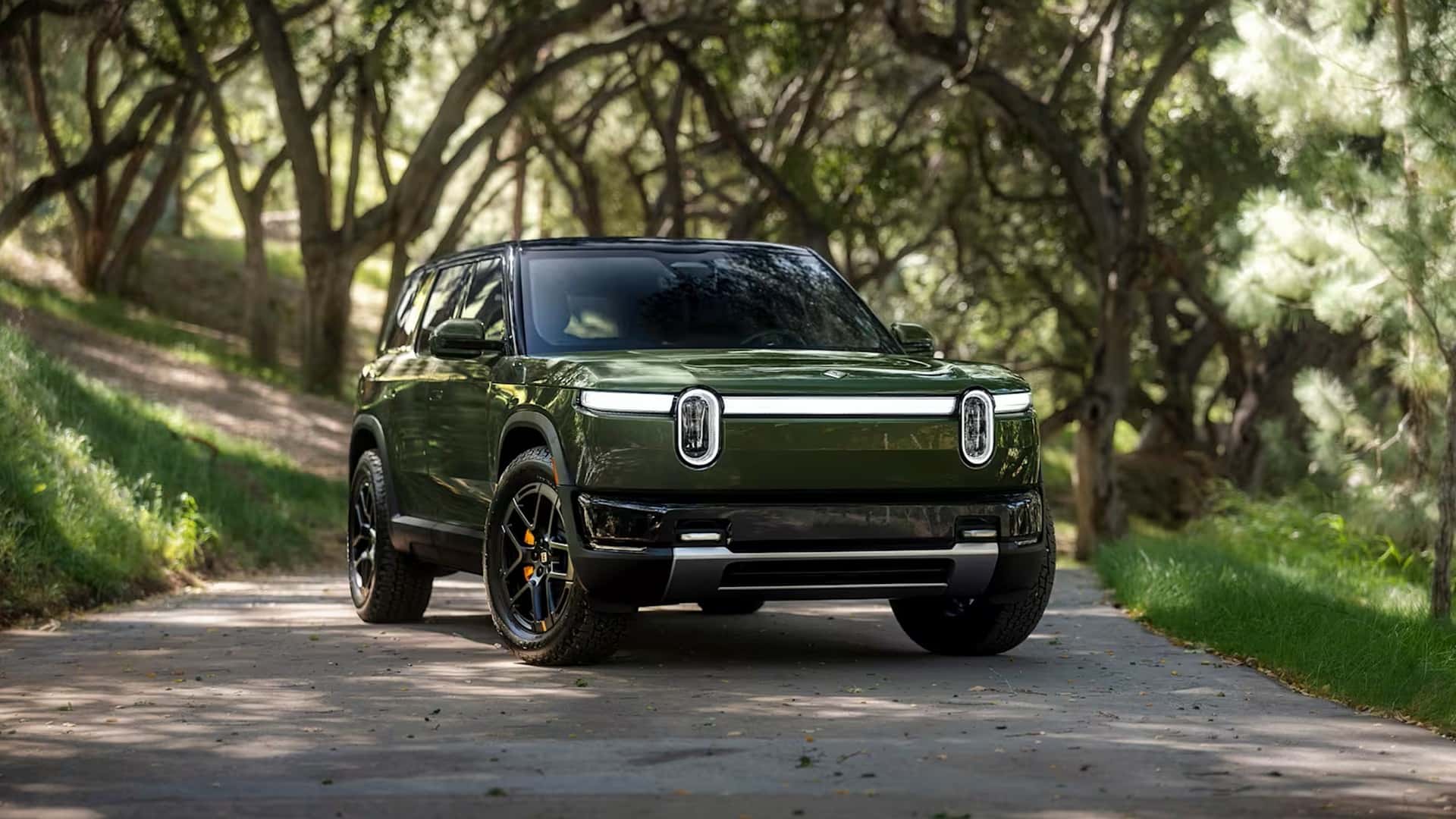
Rivian R2 Faces First Recall Due to Camera Issue
Rivian has issued a recall affecting nearly 99,000 vehicles, including some of its new R2 models,…
18h ago
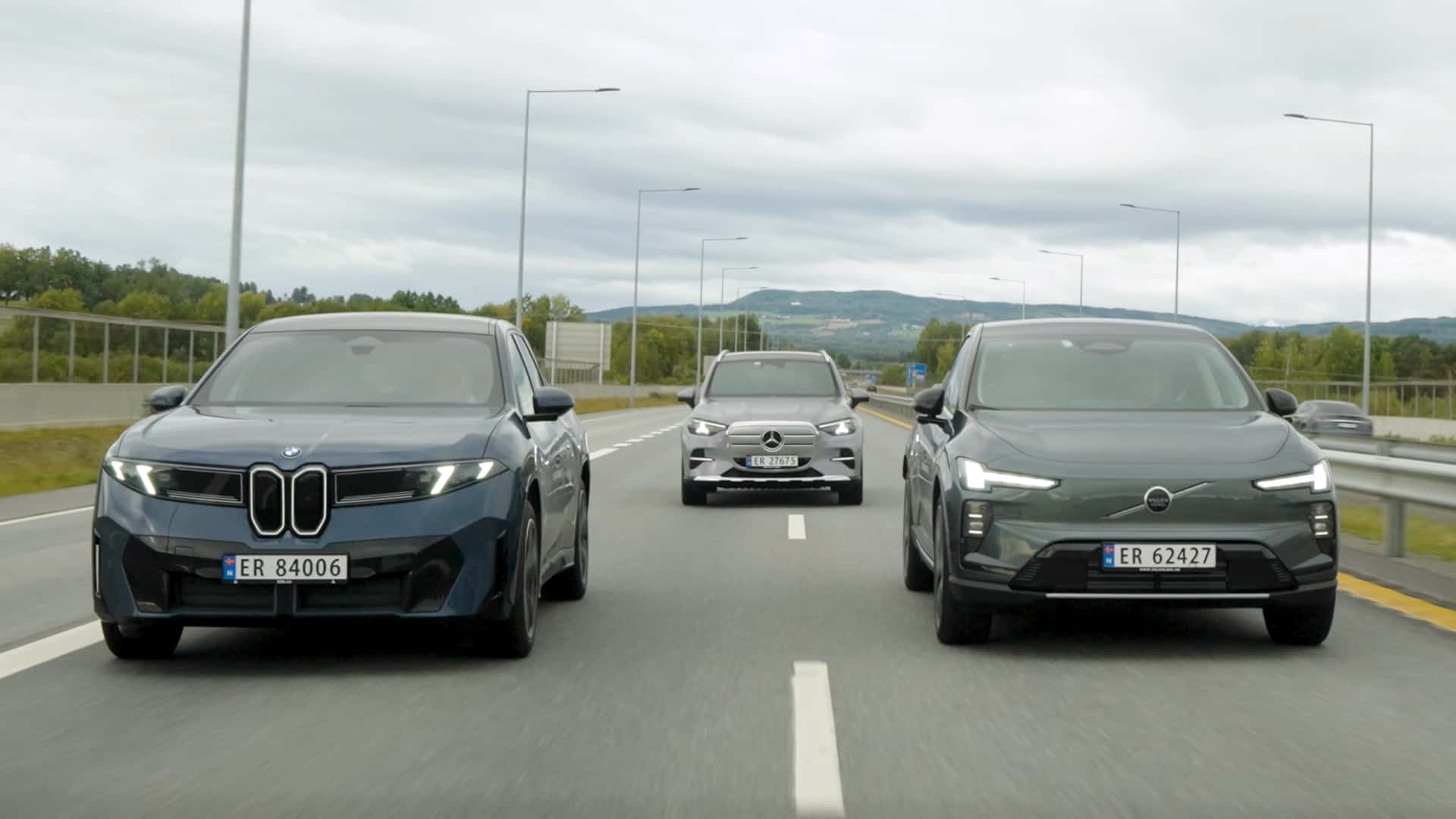
BMW iX3 Outperforms Mercedes GLC and Volvo EX60 in Highway Efficiency Test
In a recent highway test, the BMW iX3 demonstrated superior energy efficiency and range compared to…
1d ago
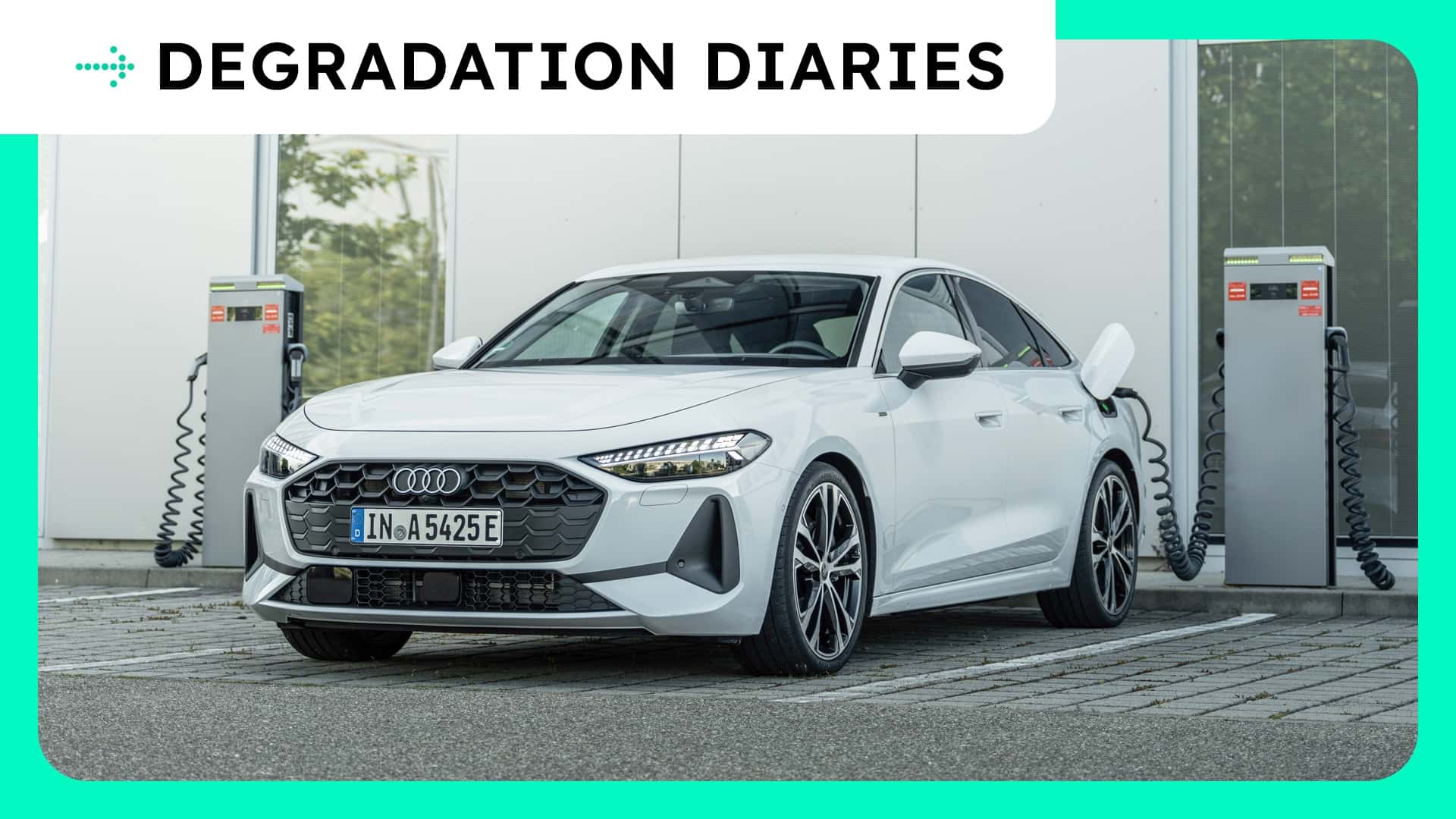
PHEV Batteries Show Resilience Despite Frequent Cycling
Plug-in hybrid electric vehicles (PHEVs) experience more frequent battery cycling than fully…
1d ago