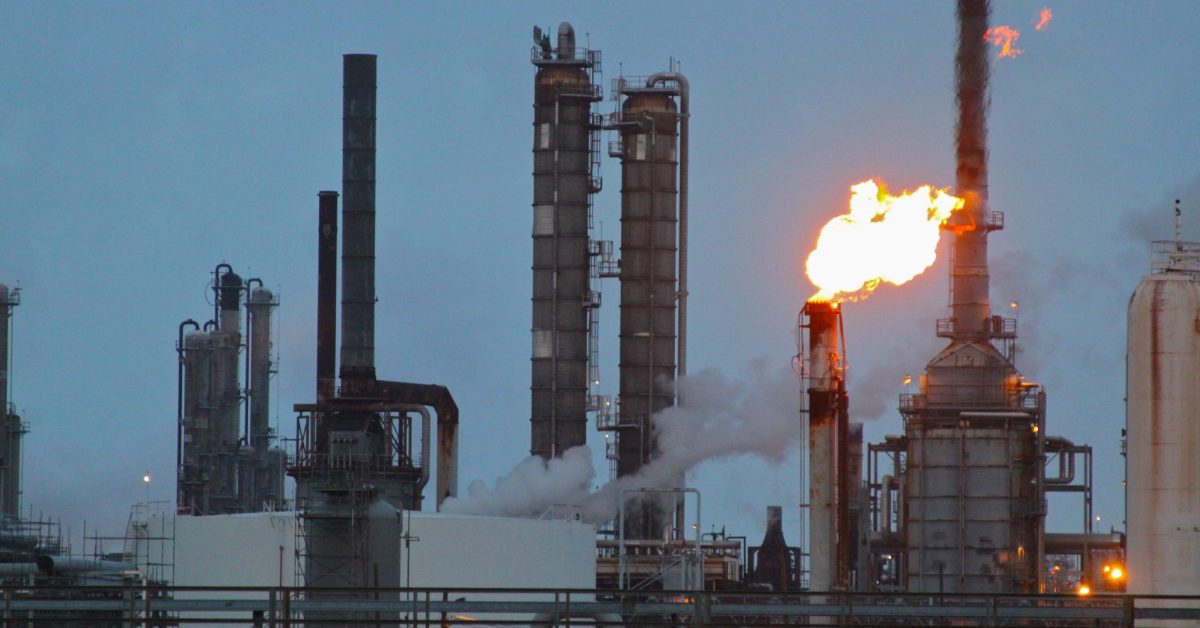
Private Equity Firm Receives $900M for Methane Terminal Following Alleged Bribery
Updated August 28, 2026
3 min read
1 linked source
An Australian-American billionaire's private equity firm is set to receive $900 million for a stake in a methane gas terminal in Louisiana, following a reported $1 million bribe to facilitate the deal. This transaction has raised concerns regarding the integrity of the Interior Department's processes and the implications for energy policy. The details surrounding the bribery and the buyout are still unfolding.
Share this story
Why it matters
- ✓The financial backing of fossil fuel projects like methane terminals could divert resources away from renewable energy investments, affecting the transition to electric vehicles (EVs).
- ✓Increased funding for fossil fuel infrastructure may lead to higher emissions, which could impact regulatory environments and incentives for EV buyers.
- ✓If public trust in energy policy diminishes, it could affect future government support for EV-related initiatives.
Reporting notes
EV Signal briefs are written to explain the verified change first, then add the context EV buyers and owners need to understand cost, availability, charging access, eligibility, or ownership impact.
If details are still developing, we try to say what is confirmed, what comes from secondary reporting, and what readers should verify before acting.
Source mix
1 linked source
1 media
Reviewed from: Electrek.
Overview of the Situation
The recent revelation that an Australian-American billionaire's private equity firm will receive a staggering $900 million for a stake in a methane gas terminal in Louisiana has raised significant ethical concerns. This deal reportedly followed a $1 million bribe paid to the originator of the transaction, suggesting potential corruption within the Interior Department's processes. The implications of this transaction extend beyond mere financial figures, as they may influence energy policy and the future of electric vehicle (EV) adoption.
What Changed?
The deal in question involves a significant buyout for a methane gas terminal, which is part of a broader trend of private equity firms investing heavily in fossil fuel infrastructure. The $900 million payout comes after the alleged bribe, raising serious questions about the integrity of the deal-making process and the motivations behind such substantial financial transactions. This situation highlights the intersection of private interests and public policy, particularly in the energy sector.
Why It Matters for Buyers and Owners
-
Impact on Renewable Energy Investments: The allocation of substantial funds to fossil fuel projects like methane terminals could hinder investments in renewable energy sources. This diversion of resources may slow the transition to cleaner energy alternatives, which is crucial for the growth of the EV market.
-
Regulatory Environment: Increased funding for fossil fuel infrastructure may lead to higher emissions and could influence regulatory frameworks. If the government prioritizes fossil fuel projects, it could result in less favorable conditions for EV buyers, such as reduced incentives or support for charging infrastructure.
-
Public Trust and Future Initiatives: The allegations of bribery and corruption could erode public trust in energy policy. If confidence in government oversight diminishes, it may impact future support for EV-related initiatives, potentially affecting the availability of incentives and resources for EV buyers and owners.
Key Details from Source Material
According to Electrek, the private equity firm involved is the largest benefactor of the Interior Department's recent illegal wind buyout. The transaction is not just a financial maneuver; it raises ethical questions about the influence of private equity in public policy. The reported bribe of $1 million to facilitate the deal adds a layer of controversy that could have far-reaching implications for energy policy and investment in renewable technologies.
What to Watch Next
As details continue to emerge regarding this transaction and the alleged bribery, it will be important to monitor any potential investigations or regulatory changes that may arise from this situation. Stakeholders in the EV market should remain vigilant about how this case may influence future energy policies and funding priorities. Additionally, the response from government agencies and public sentiment regarding this issue could shape the landscape for EV adoption and infrastructure development in the coming years.
In conclusion, while the immediate financial implications of the $900 million buyout are significant, the broader impact on energy policy and the EV market remains to be seen. Buyers and owners should stay informed as this story develops.
Sources
These are the documents and reports used to build this brief so readers can verify the story directly.
Comments
Log in with
Loading comments…
More in Ownership
Tesla's Lawyers Misled Witness in Racism Trial
Tesla's ongoing racism trial in California has faced significant setbacks as it was revealed that a…
18h ago

Rivian R2 Faces First Recall Due to Camera Issue
Rivian has issued a recall affecting nearly 99,000 vehicles, including some of its new R2 models,…
18h ago

BMW iX3 Outperforms Mercedes GLC and Volvo EX60 in Highway Efficiency Test
In a recent highway test, the BMW iX3 demonstrated superior energy efficiency and range compared to…
1d ago
PHEV Batteries Show Resilience Despite Frequent Cycling
Plug-in hybrid electric vehicles (PHEVs) experience more frequent battery cycling than fully…
1d ago