Polestar Loses Authorization to Sell Cars in the U.S. from 2027 Onward
Polestar has been stripped of its authorization to sell vehicles in the U.S. starting from the 2027 model year. The automaker has expressed confusion over the decision, as it has not been provided with a clear explanation for the ban. This change affects potential buyers and current owners of Polestar vehicles in the U.S.

Key takeaways
30-second read- 1Potential buyers will no longer have access to new Polestar models in the U.S. market from 2027 onward, limiting their options.
- 2Current owners may face uncertainty regarding future support and service availability for their vehicles.
- 3The ban could impact the resale value of Polestar vehicles as they may become less desirable without new model offerings.
Confirmed
No official source linked yet
Reported
Secondary reporting: InsideEVs
Verify yourself
Eligibility, local prices and dates for your car, state or utility
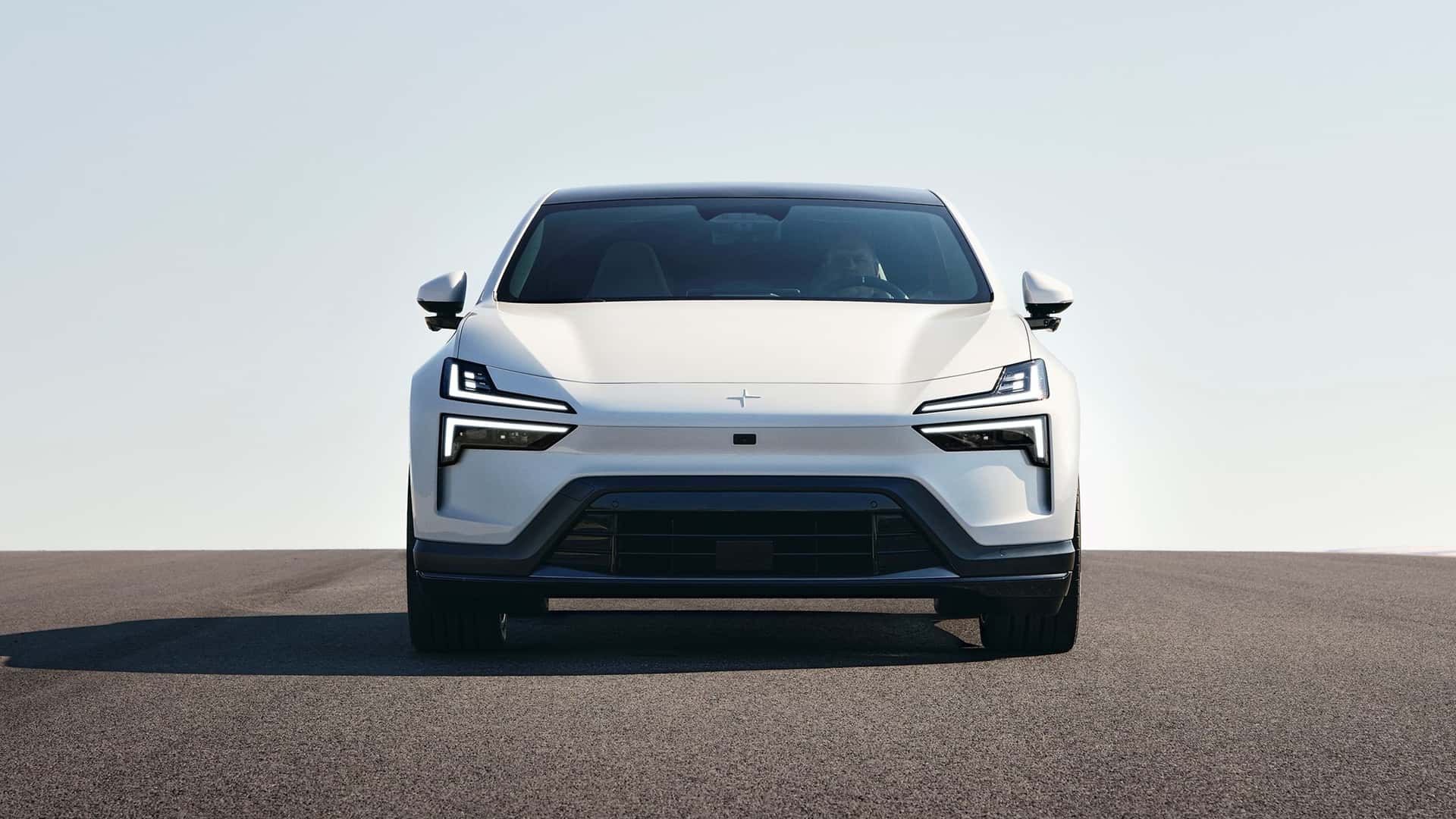
Polestar Loses Authorization to Sell Cars in the U.S.
Polestar has officially lost its authorization to sell vehicles in the United States starting with the 2027 model year. This unexpected decision leaves the automaker perplexed, as they have not received a clear explanation from the U.S. government regarding the ban.
What Changed
The key change is that Polestar will no longer be able to sell its cars in the U.S. market from 2027 onward. This decision affects both potential buyers looking to purchase new Polestar vehicles and current owners who may have concerns about the future of their cars. The automaker has stated that it is still seeking clarity on the reasons behind this decision, which adds to the uncertainty surrounding its operations in the U.S.
Why It Matters for Buyers and Owners
The implications of this ban are significant for both potential buyers and current owners of Polestar vehicles:
- Limited Options: Buyers will no longer have access to new Polestar models, which may restrict their choices in the EV market. This could lead to a decrease in competition and innovation in the segment where Polestar operates.
- Uncertainty for Owners: Current owners may face challenges regarding service and support for their vehicles. Without new models being introduced, there may be concerns about the availability of parts and maintenance services in the future.
- Impact on Resale Value: The resale value of existing Polestar vehicles may decline as the absence of new models could make them less appealing to prospective buyers.
Key Details from Source Material
According to InsideEVs, Polestar's loss of authorization is a significant setback for the automaker, which has been working to establish its presence in the U.S. market. The lack of clarity from the government regarding the reasons for the ban adds to the challenges faced by the company. As of now, Polestar has not disclosed any specific actions it plans to take in response to this decision.
What to Watch Next
As this situation develops, it will be important to monitor any updates from Polestar regarding their plans for the U.S. market. Additionally, potential buyers and current owners should keep an eye on any announcements related to service availability and support for existing vehicles. The lack of new model offerings may also prompt discussions within the EV community about the implications of such government decisions on the broader market.
In conclusion, Polestar's unexpected ban from selling cars in the U.S. starting in 2027 raises several concerns for buyers and owners alike. The automaker's confusion over the decision only adds to the uncertainty surrounding its future in the American EV market.
Sources
1 media- [1]Polestar Still Has No Idea Why The U.S. Govt. Kicked It OutMedia
InsideEVs · insideevs.com · published Aug 24
Newsletter
Weekly EV signal. No spam.
Comments
Log in with
Loading comments…