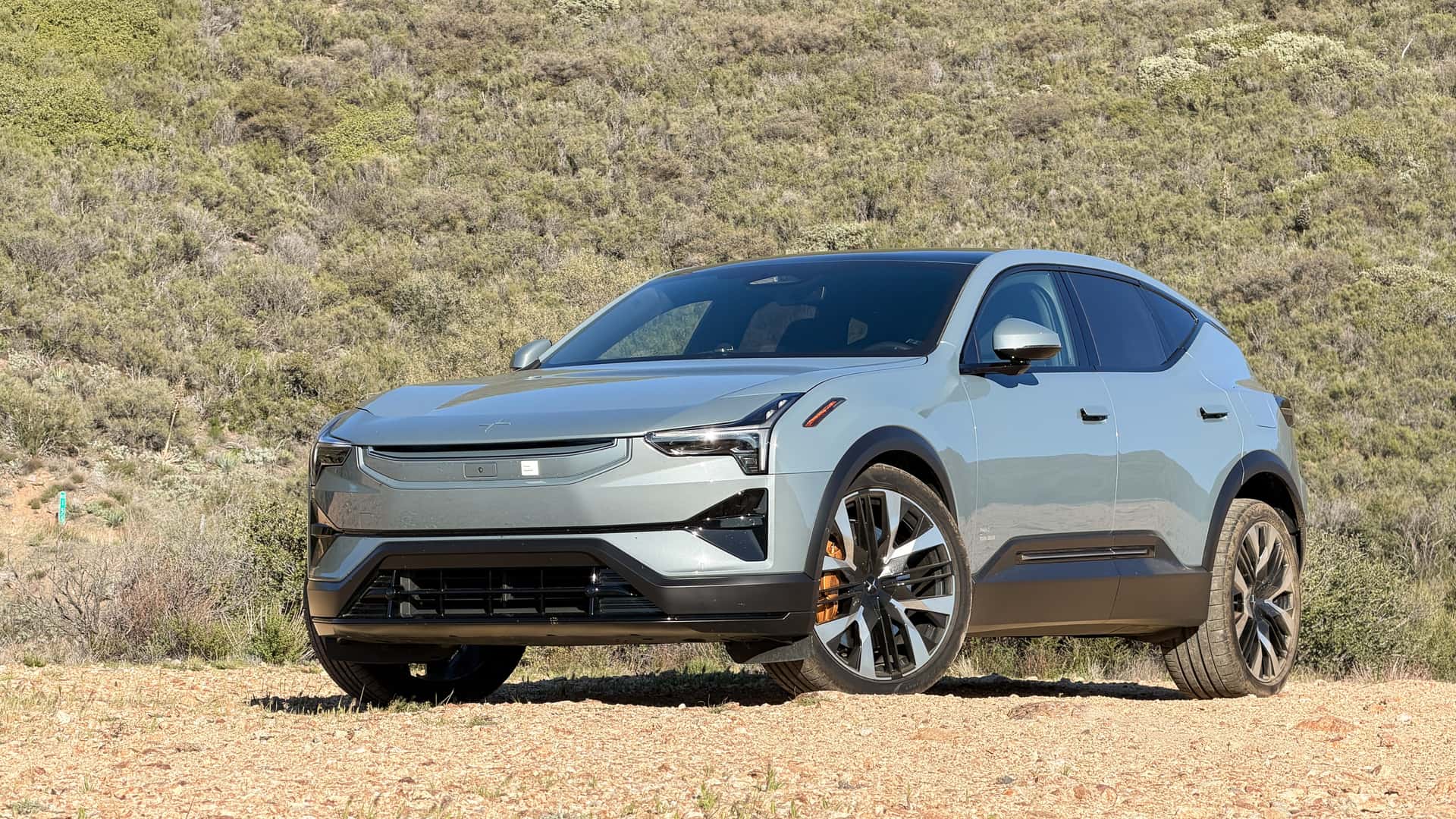
Polestar Denied Entry to U.S. EV Market for Model Year 2027 and Beyond
Updated June 25, 2026
3 min read
1 linked source
Polestar, the Swedish electric vehicle manufacturer owned by Geely Group, has been denied authorization to sell its EVs in the U.S. starting from the 2027 model year. This decision affects the company's ability to compete in one of the largest automotive markets, limiting options for potential buyers of Polestar vehicles in the U.S.
Share this story
Why it matters
- ✓Potential buyers will lose access to Polestar's EV offerings, which may limit their choices in the premium electric vehicle segment.
- ✓The exit could impact pricing dynamics in the EV market, as fewer competitors may lead to less competitive pricing.
- ✓Existing Polestar owners may face uncertainty regarding service and support as the company withdraws from the market.
Reporting notes
EV Signal briefs are written to explain the verified change first, then add the context EV buyers and owners need to understand cost, availability, charging access, eligibility, or ownership impact.
If details are still developing, we try to say what is confirmed, what comes from secondary reporting, and what readers should verify before acting.
Source mix
1 linked source
1 media
Reviewed from: InsideEVs.
Polestar Denied Entry to U.S. EV Market for Model Year 2027 and Beyond
Polestar, the Swedish electric vehicle manufacturer owned by the Chinese Geely Group, has received a significant setback as it has been denied authorization to sell its EVs in the United States starting from the 2027 model year. This decision marks a critical change in the landscape of the American electric vehicle market, particularly affecting consumers interested in Polestar's offerings.
What Changed
The U.S. government has officially barred Polestar from selling its electric vehicles in the country from 2027 onward. This decision comes amid increasing scrutiny of foreign automakers and their compliance with U.S. regulations. As a result, Polestar will no longer be able to compete in one of the largest automotive markets in the world, significantly impacting its business strategy and market presence.
Why It Matters for Buyers and Owners
The denial of market access for Polestar has several implications for electric vehicle buyers and owners:
- Limited Options: Potential buyers will lose access to Polestar's EV offerings, which include models known for their design and performance. This reduction in choices may push consumers toward other brands, potentially affecting their preferences and satisfaction.
- Pricing Dynamics: With fewer competitors in the premium electric vehicle segment, the exit of Polestar could lead to less competitive pricing. This may result in higher prices for consumers who are looking for alternatives in the EV market.
- Impact on Existing Owners: Current Polestar owners may face uncertainty regarding service, support, and parts availability as the company withdraws from the U.S. market. This could affect their overall ownership experience and the resale value of their vehicles.
Key Details from Source Material
According to a report from InsideEVs, the decision to deny Polestar authorization is part of a broader trend of regulatory challenges faced by foreign automakers in the U.S. market. The company, which has been gaining traction with its electric models, will now need to reassess its strategy in light of this significant barrier. The implications of this decision are still unfolding, and the full impact on Polestar's operations and consumer choices will become clearer over time.
What to Watch Next
As the situation develops, it will be important to monitor how Polestar responds to this regulatory challenge. Key areas to watch include:
- Future Plans: Will Polestar attempt to address the regulatory issues and seek reauthorization, or will it pivot its strategy to focus on other markets?
- Consumer Reactions: How will current and potential customers respond to the news? Will they shift their loyalties to other brands, or will Polestar's existing customer base remain loyal despite the challenges?
- Market Dynamics: The broader implications for the EV market in the U.S. as other foreign manufacturers may also face similar regulatory scrutiny.
In conclusion, Polestar's exit from the U.S. market for the 2027 model year represents a significant shift in the electric vehicle landscape, with potential ramifications for buyers, existing owners, and the overall competitive environment. As more information becomes available, stakeholders will need to adapt to these changes in the evolving EV market.
Sources
These are the documents and reports used to build this brief so readers can verify the story directly.
- The U.S. Strongarms Polestar Out Of The American EV Market — InsideEVsMEDIA
Comments
Log in with
Loading comments…
More in Buying
Ausom Launches Fall Sale on Electric Scooters
Ausom is holding a Fall Sale this month, offering discounts on its range of electric scooters,…
Just now
BMW Opens US Reservations for New i3 Ahead of Schedule
BMW has announced that it will open reservations for the new i3 in the United States earlier than…
12h ago
Jackery Explorer 5000 Plus Power Station Discounted by $1,000
The Jackery Explorer 5000 Plus Portable Power Station is now available for $1,499, reflecting a…
18h ago
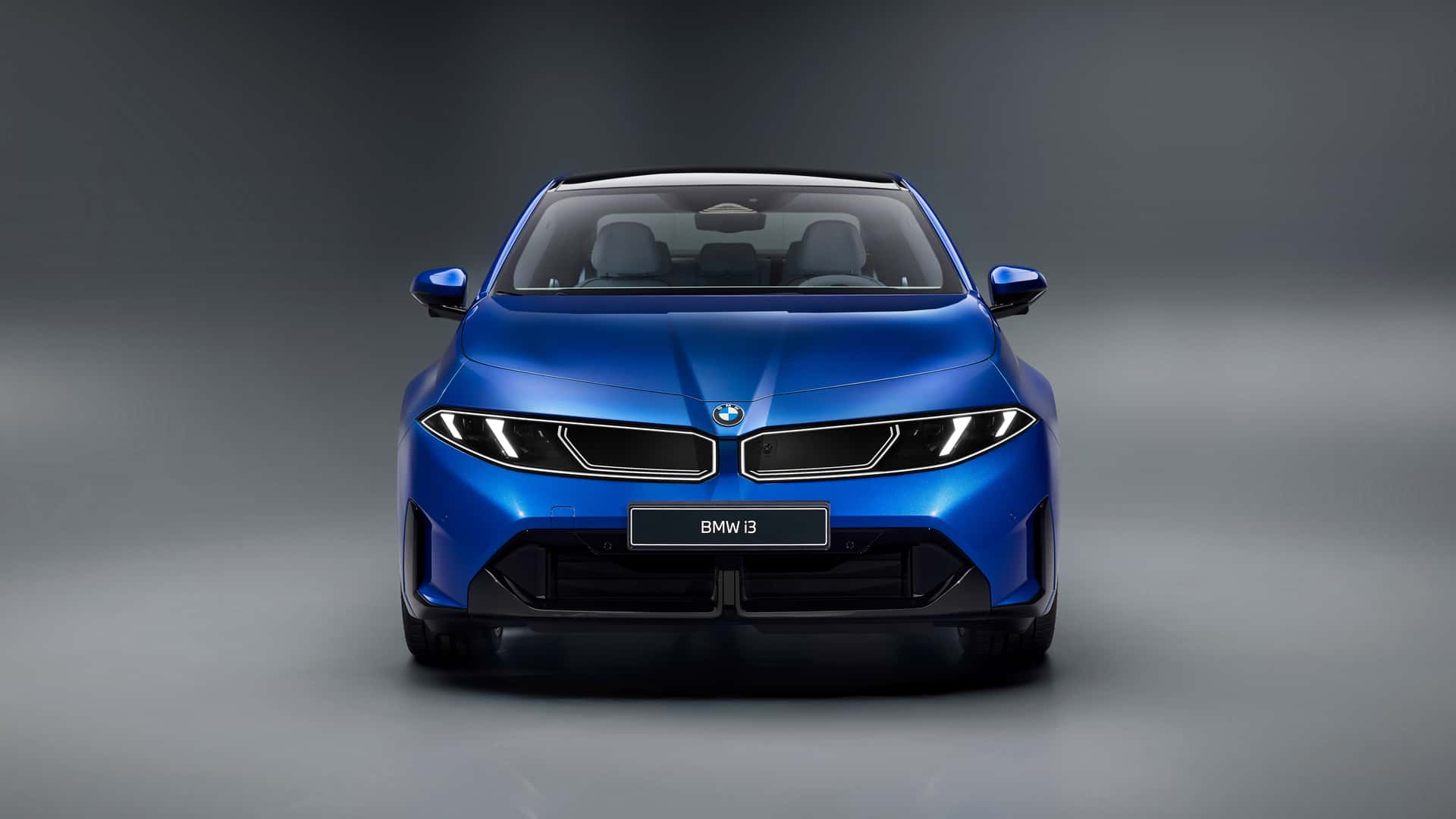
BMW i3 EV Reservations Open Early in the U.S.
BMW has announced that it will begin accepting reservations for the new i3 electric sedan ahead of…
1d ago