Polestar Collaborates with Oxford to Quantify Driving Performance Experience
Polestar and the University of Oxford conducted a study involving 12 drivers to measure the subjective experience of driving performance in two versions of the Polestar 4. The study found that the more powerful 544 hp Dual motor version provided significantly better acceleration and required less steering effort compared to the 268 hp Rear motor version, leading to higher driver satisfaction ratings. This research aims to quantify aspects of driving performance that traditional specifications do not capture.

Key takeaways
30-second read- 1Understanding how performance feels can help potential buyers make informed decisions based on driving experience rather than just specifications.
- 2The findings may influence future design and marketing strategies for EV manufacturers, potentially leading to more performance-focused models.
- 3Drivers may benefit from improved vehicle performance features that enhance their driving experience.
Confirmed
No official source linked yet
Reported
Secondary reporting: Electrek
Verify yourself
Eligibility, local prices and dates for your car, state or utility
Introduction
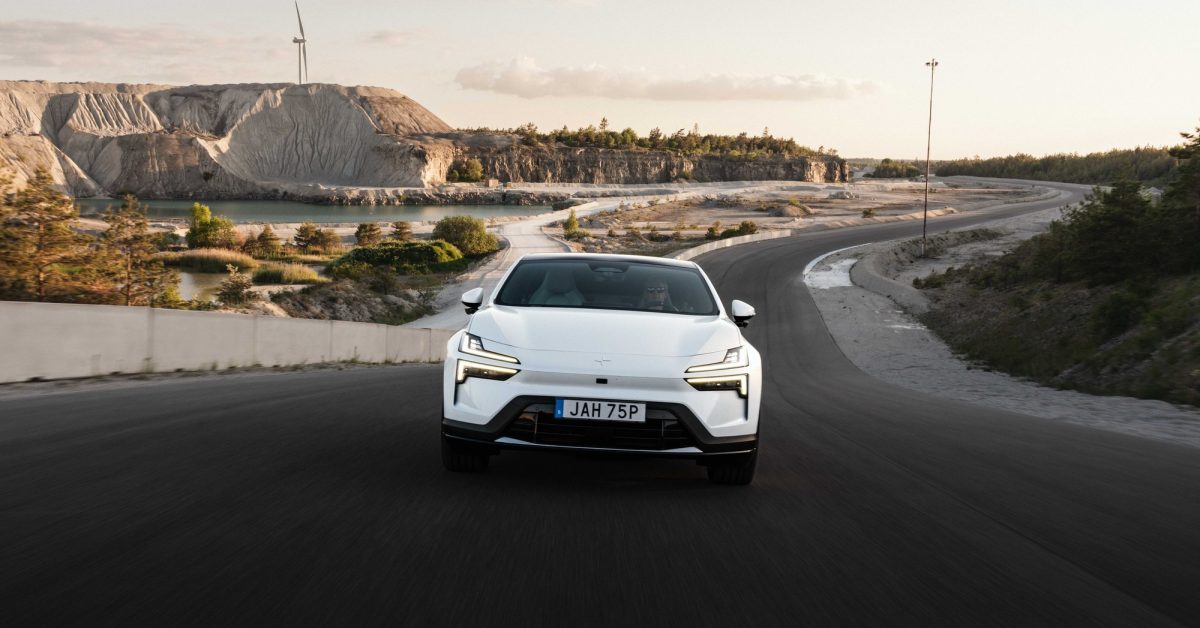
Polestar and the University of Oxford have collaborated to explore a dimension of electric vehicle (EV) performance that is often overlooked: the subjective experience of driving. By equipping 12 drivers with eye trackers and heart-rate monitors, the study aimed to quantify how performance feels behind the wheel of two different versions of the Polestar 4.
What Changed
The study revealed that the Polestar 4 Dual motor variant, boasting 544 horsepower and equipped with a Performance pack, delivered a 32% higher peak acceleration compared to the 268 hp Rear motor version. Additionally, drivers reported that the Dual motor version required 15% less steering effort during matched laps, which contributed to a significantly enhanced driving experience. Participants rated the more powerful model much higher in terms of overall satisfaction.
Why It Matters for Buyers and Owners
This research is significant for several reasons:
- Informed Decision-Making: By quantifying the driving experience, potential buyers can make more informed choices based on how a vehicle feels in addition to its specifications.
- Influence on Future Models: The insights gained from this study may drive manufacturers to prioritize performance features that enhance the driving experience, potentially leading to more engaging EVs in the market.
- Enhanced Driving Experience: As manufacturers focus on performance metrics that resonate with drivers, owners may enjoy vehicles that not only perform well on paper but also provide a more enjoyable driving experience.
Key Details from the Source Material
According to Electrek, the study was conducted on a Swedish racetrack, where the two versions of the Polestar 4 were put to the test. The findings indicate that the more powerful Dual motor variant not only outperformed the Rear motor version in terms of acceleration but also in driver engagement, as evidenced by the reduced steering effort required. This suggests that performance metrics can significantly impact how drivers perceive their vehicles, which is a crucial factor for many EV buyers.
What to Watch Next
As this study sheds light on the importance of driving experience in EV performance, it will be interesting to see how Polestar and other manufacturers incorporate these findings into future vehicle designs and marketing strategies. Additionally, further research may emerge that explores other aspects of driving experience, potentially leading to a broader understanding of what consumers value in EV performance. Keep an eye on announcements from Polestar regarding any new models or features that may arise as a result of this research.
Sources
1 media- [1]Polestar and Oxford wired up drivers to measure how performance feelsMedia
Electrek · electrek.co · published Oct 20
Newsletter
Weekly EV signal. No spam.
Comments
Log in with
Loading comments…


