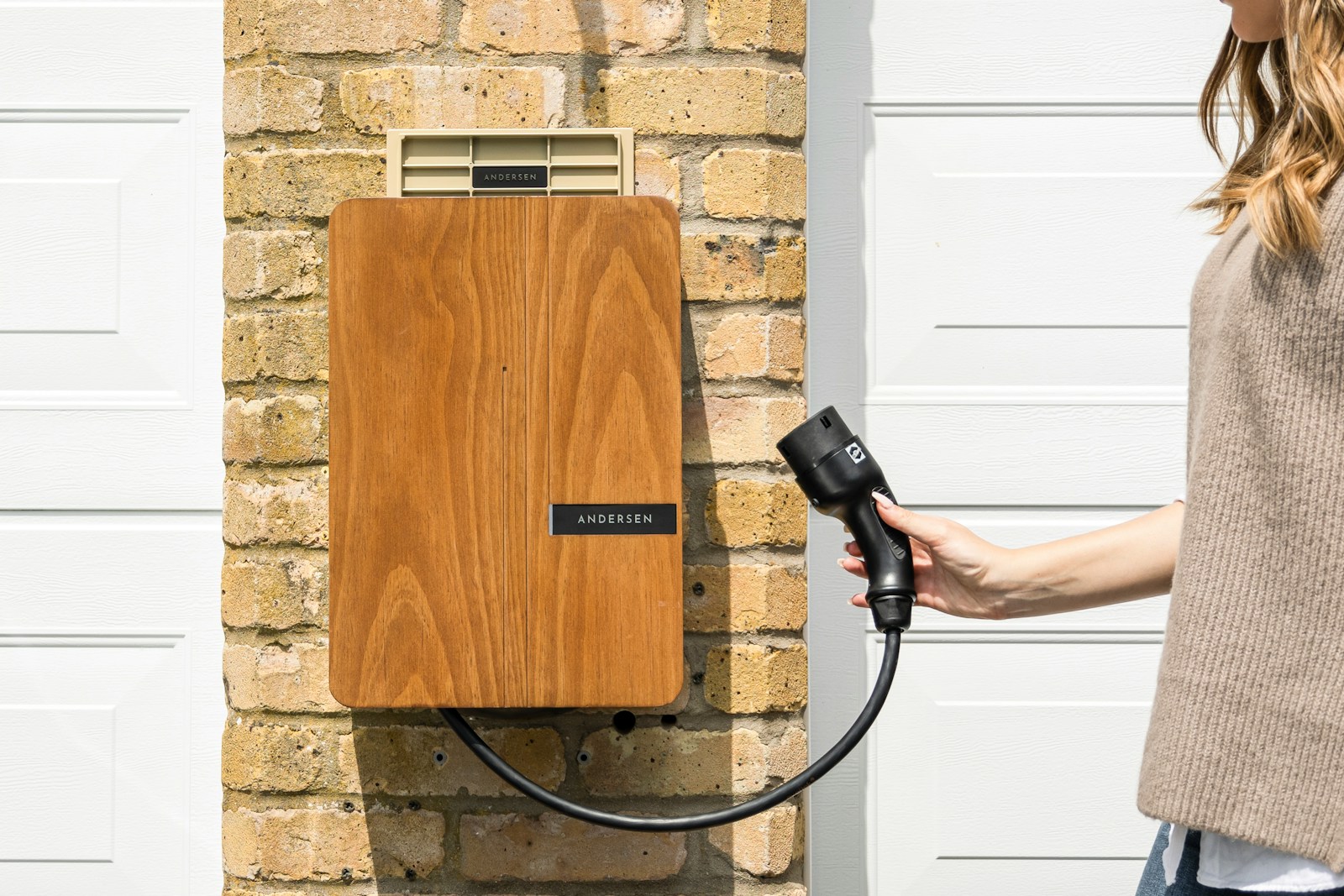
PG&E Plans to Electrify Fleet with 3,800 Electric Vehicles by 2030
Updated March 11, 2026
4 min read
1 linked source
Pacific Gas and Electric (PG&E), California's largest utility, aims to transition its fleet to 3,800 electric vehicles by 2030. This initiative is part of PG&E's broader strategy to reduce emissions and promote sustainability in its operations, impacting over 16 million customers in the state. The plan reflects a significant commitment to electrification within the utility sector.
Share this story
Why it matters
- ✓Increased availability of electric vehicles may lead to more charging infrastructure development, benefiting EV owners.
- ✓As utilities transition to electric fleets, it could enhance grid reliability and support renewable energy integration.
- ✓This move may encourage other utilities to adopt similar electrification strategies, further promoting the EV market.
Reporting notes
EV Signal briefs are written to explain the verified change first, then add the context EV buyers and owners need to understand cost, availability, charging access, eligibility, or ownership impact.
If details are still developing, we try to say what is confirmed, what comes from secondary reporting, and what readers should verify before acting.
Source mix
1 linked source
1 media
Reviewed from: CleanTechnica.
PG&E's Electrification Initiative: A Bold Step Towards Sustainability
Pacific Gas and Electric (PG&E), California's largest utility, has announced an ambitious plan to transition its fleet to 3,800 electric vehicles (EVs) by 2030. This initiative is a critical component of PG&E's broader strategy to reduce greenhouse gas emissions and promote sustainability across its operations. With over 16 million customers relying on its services, the implications of this move extend far beyond the utility itself, potentially reshaping the landscape of electric vehicle adoption and infrastructure in California.
The Scope of PG&E's Fleet Electrification
PG&E's plan to electrify its fleet is not just a nod to environmental responsibility; it represents a significant investment in the future of transportation and energy. The utility operates a diverse fleet that includes vehicles for maintenance, emergency response, and customer service. By transitioning to electric vehicles, PG&E aims to reduce its carbon footprint and set an example for other utilities and businesses in the region.
The commitment to 3,800 electric vehicles by 2030 is a substantial undertaking. Currently, PG&E's fleet includes a mix of gasoline and diesel vehicles, which contribute to air pollution and greenhouse gas emissions. The shift to electric vehicles will not only help PG&E meet state emissions targets but also align with California's ambitious climate goals, which include achieving carbon neutrality by 2045.
Why This Move Matters
Enhancing Charging Infrastructure
One of the most significant implications of PG&E's electrification plan is the potential for increased development of charging infrastructure. As PG&E transitions its fleet to electric vehicles, it will likely invest in charging stations and related infrastructure to support its operations. This investment could lead to a more robust network of charging stations, benefiting not only PG&E's fleet but also private EV owners and the general public.
The availability of charging infrastructure is a critical factor in the widespread adoption of electric vehicles. Many potential EV buyers cite range anxiety and the lack of charging stations as significant barriers to entry. By expanding charging infrastructure, PG&E's initiative could alleviate some of these concerns, making it easier for individuals and businesses to transition to electric vehicles.
Supporting Grid Reliability and Renewable Energy Integration
As utilities like PG&E electrify their fleets, they can enhance grid reliability and support the integration of renewable energy sources. Electric vehicles can serve as mobile energy storage units, capable of drawing power from the grid during off-peak hours and returning it during peak demand. This bidirectional flow of energy can help stabilize the grid and reduce the need for fossil fuel-based power plants.
Moreover, as California continues to increase its reliance on renewable energy sources such as solar and wind, having a fleet of electric vehicles can facilitate the integration of these resources. PG&E's electrification strategy aligns with the state's goals of increasing renewable energy usage and reducing dependence on fossil fuels, ultimately contributing to a more sustainable energy future.
Implications for EV Buyers and Owners
The electrification of PG&E's fleet is likely to have a ripple effect on the EV market and the experience of EV owners. As the utility invests in charging infrastructure, EV owners may find it easier to charge their vehicles, leading to increased convenience and reduced range anxiety. Additionally, the presence of more charging stations can enhance the overall appeal of electric vehicles, encouraging more consumers to consider making the switch.
Furthermore, PG&E's commitment to sustainability may inspire other utilities and businesses to adopt similar electrification strategies. As more companies transition to electric fleets, the demand for electric vehicles and charging infrastructure is likely to grow, further stimulating the market. This could lead to increased competition among manufacturers, resulting in more options and potentially lower prices for consumers.
Challenges and Considerations
While PG&E's electrification initiative is a positive step towards sustainability, it is not without challenges. The transition to electric vehicles requires significant investment in infrastructure, technology, and training for employees. Additionally, the utility must navigate the complexities of integrating electric vehicles into its existing operations while ensuring that service reliability is maintained.
Moreover, the success of this initiative will depend on the availability of electric vehicles that meet the diverse needs of PG&E's fleet. As the market for electric vehicles continues to evolve, it will be essential for PG&E to choose vehicles that are not only environmentally friendly but also practical for their specific operational requirements.
Conclusion
PG&E's plan to electrify its fleet with 3,800 electric vehicles by 2030 marks a significant commitment to sustainability and environmental responsibility. This initiative has the potential to enhance charging infrastructure, support grid reliability, and encourage the adoption of electric vehicles among consumers and businesses alike. As California's largest utility takes this bold step, it sets a precedent for others in the industry, highlighting the importance of electrification in the fight against climate change.
The implications of PG&E's electrification strategy extend beyond the utility itself, impacting over 16 million customers and potentially reshaping the EV landscape in California. As the utility sector embraces electric vehicles, the future of transportation and energy in the state looks increasingly sustainable.
Sources
These are the documents and reports used to build this brief so readers can verify the story directly.
- Largest California Utility Could Have 3,800 Electric Fleet Vehicles By 2030 — CleanTechnicaMEDIA
Comments
Log in with
Loading comments…
More in Ownership
Tesla's Lawyers Misled Witness in Racism Trial
Tesla's ongoing racism trial in California has faced significant setbacks as it was revealed that a…
18h ago

Rivian R2 Faces First Recall Due to Camera Issue
Rivian has issued a recall affecting nearly 99,000 vehicles, including some of its new R2 models,…
18h ago
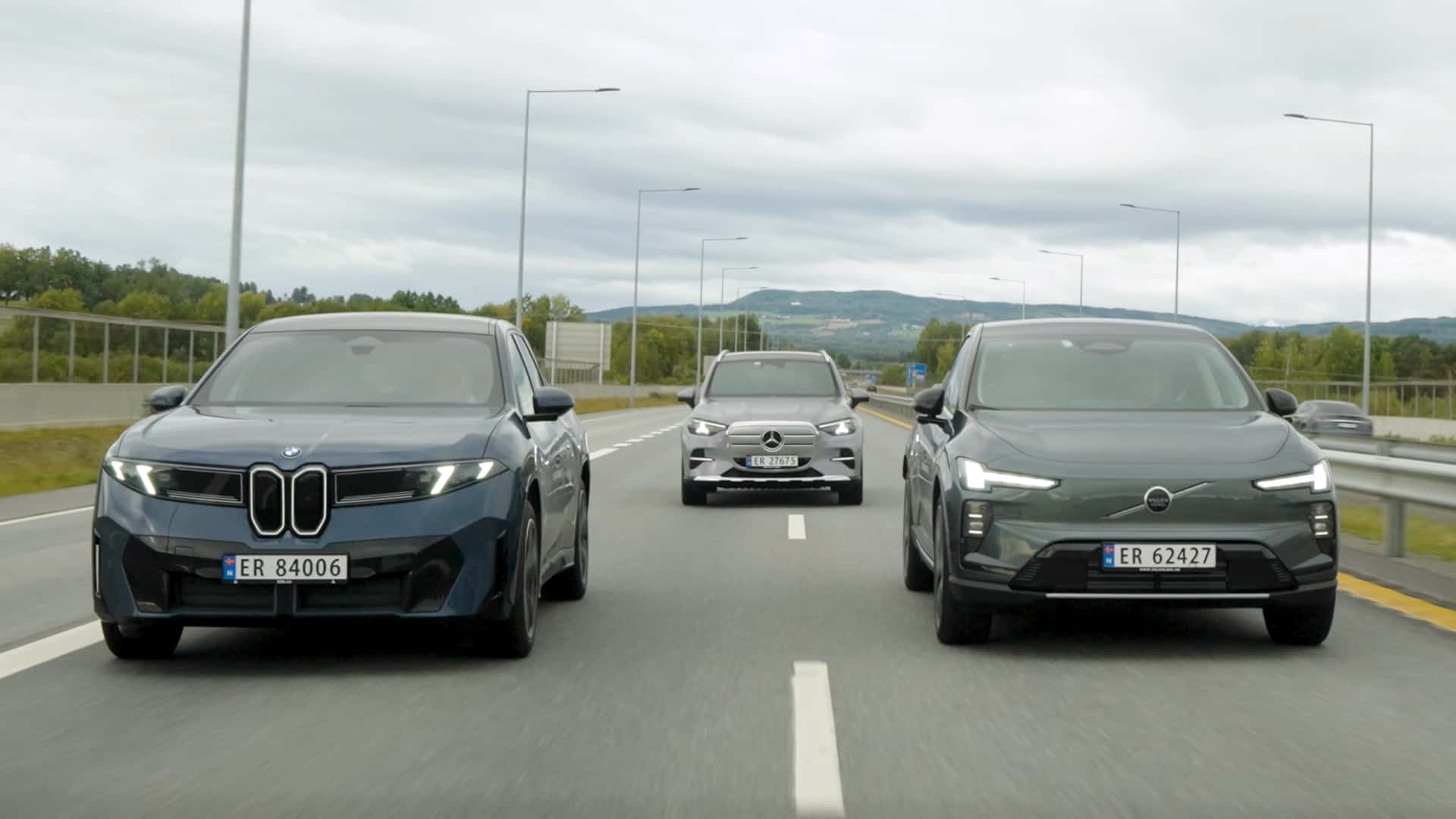
BMW iX3 Outperforms Mercedes GLC and Volvo EX60 in Highway Efficiency Test
In a recent highway test, the BMW iX3 demonstrated superior energy efficiency and range compared to…
1d ago
PHEV Batteries Show Resilience Despite Frequent Cycling
Plug-in hybrid electric vehicles (PHEVs) experience more frequent battery cycling than fully…
1d ago