
Nueces County Drainage District Demands Halt to Tesla Lithium Refinery Discharge
Updated April 22, 2026
3 min read
1 linked source
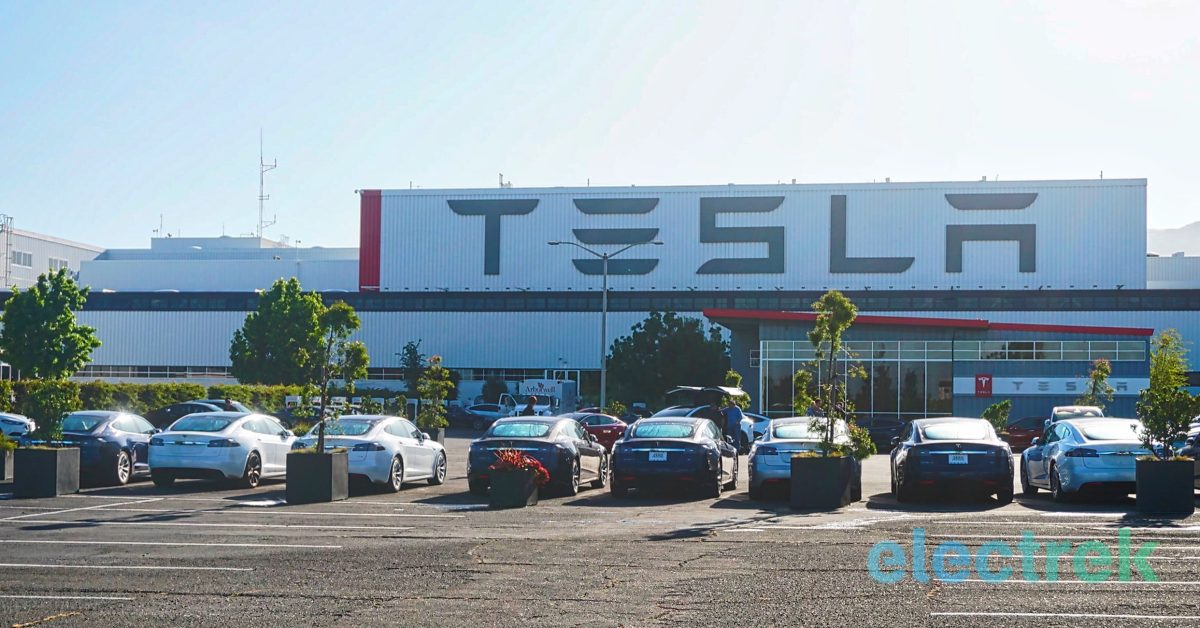
The Nueces County Drainage District No. 2 has issued a cease-and-desist letter to Tesla, demanding the company stop its wastewater discharge from its lithium refinery in Robstown, Texas. Independent lab tests revealed the presence of toxic metals, including hexavalent chromium and arsenic, in the refinery's wastewater. This situation raises concerns about environmental safety and regulatory compliance.
Share this story
Why it matters
- ✓Potential regulatory actions could delay Tesla's lithium production, impacting supply chains for EV batteries.
- ✓Environmental concerns may influence public perception of Tesla and its commitment to sustainability.
- ✓Any disruptions in lithium supply could affect the pricing and availability of EVs, particularly for Tesla models.
Reporting notes
EV Signal briefs are written to explain the verified change first, then add the context EV buyers and owners need to understand cost, availability, charging access, eligibility, or ownership impact.
If details are still developing, we try to say what is confirmed, what comes from secondary reporting, and what readers should verify before acting.
Source mix
1 linked source
1 media
Reviewed from: Electrek.
Tesla's Lithium Refinery Discharge Under Scrutiny
The Nueces County Drainage District No. 2 has taken a significant step by issuing a cease-and-desist letter to Tesla, demanding the immediate halt of wastewater discharge from its lithium refinery in Robstown, Texas. This action comes after independent lab testing revealed concerning levels of toxic metals, including hexavalent chromium, arsenic, and elevated lithium concentrations in the refinery's wastewater.
What Changed
The discharge from Tesla's nearly $1 billion lithium refinery, which releases approximately 231,000 gallons of wastewater daily, has come under scrutiny due to the presence of hazardous substances. Hexavalent chromium is a known carcinogen, raising serious health and environmental concerns. The drainage district, responsible for managing the ditch that receives this wastewater, is now demanding a pause in discharge activities pending further discussions with Tesla.
Why It Matters for Buyers and Owners
-
Supply Chain Impact: If Tesla is forced to halt operations at the lithium refinery, it could disrupt the supply chain for lithium, a critical component in EV batteries. This disruption may lead to delays in production and delivery of Tesla vehicles.
-
Public Perception and Regulatory Scrutiny: Environmental concerns surrounding Tesla's operations could affect public perception of the brand, particularly among environmentally conscious buyers. Increased scrutiny from regulatory bodies may lead to stricter regulations in the future.
-
Pricing and Availability: Any significant delays in lithium supply could impact the pricing of EVs. As lithium is a key ingredient in battery production, fluctuations in its availability may lead to increased costs for consumers, affecting the overall ownership experience.
Key Details from Source Material
According to Electrek, the independent lab tests that prompted the drainage district's actions revealed alarming levels of hexavalent chromium and arsenic in the wastewater discharged from Tesla's facility. The drainage district's cease-and-desist letter highlights the urgency of addressing these environmental concerns. The letter demands that Tesla halt its wastewater flow until a thorough discussion can be held regarding the implications of the discharge and potential remediation measures.
What to Watch Next
As this situation develops, it will be crucial to monitor Tesla's response to the drainage district's demands. Stakeholders will be watching for any announcements regarding operational changes, compliance with environmental regulations, and the potential impact on lithium supply chains. Additionally, updates on regulatory actions and public response will be significant as they could influence Tesla's market position and the broader EV landscape.
In conclusion, the discharge of toxic metals from Tesla's lithium refinery raises serious environmental and regulatory concerns that could have far-reaching implications for EV buyers and owners. The situation is still evolving, and further developments are expected as discussions between Tesla and the drainage district continue.
Sources
These are the documents and reports used to build this brief so readers can verify the story directly.
Comments
Log in with
Loading comments…
More in Ownership
Tesla's Lawyers Misled Witness in Racism Trial
Tesla's ongoing racism trial in California has faced significant setbacks as it was revealed that a…
18h ago

Rivian R2 Faces First Recall Due to Camera Issue
Rivian has issued a recall affecting nearly 99,000 vehicles, including some of its new R2 models,…
18h ago

BMW iX3 Outperforms Mercedes GLC and Volvo EX60 in Highway Efficiency Test
In a recent highway test, the BMW iX3 demonstrated superior energy efficiency and range compared to…
1d ago
PHEV Batteries Show Resilience Despite Frequent Cycling
Plug-in hybrid electric vehicles (PHEVs) experience more frequent battery cycling than fully…
1d ago