Nissan's Newest EV is a Renault, Not a Nissan
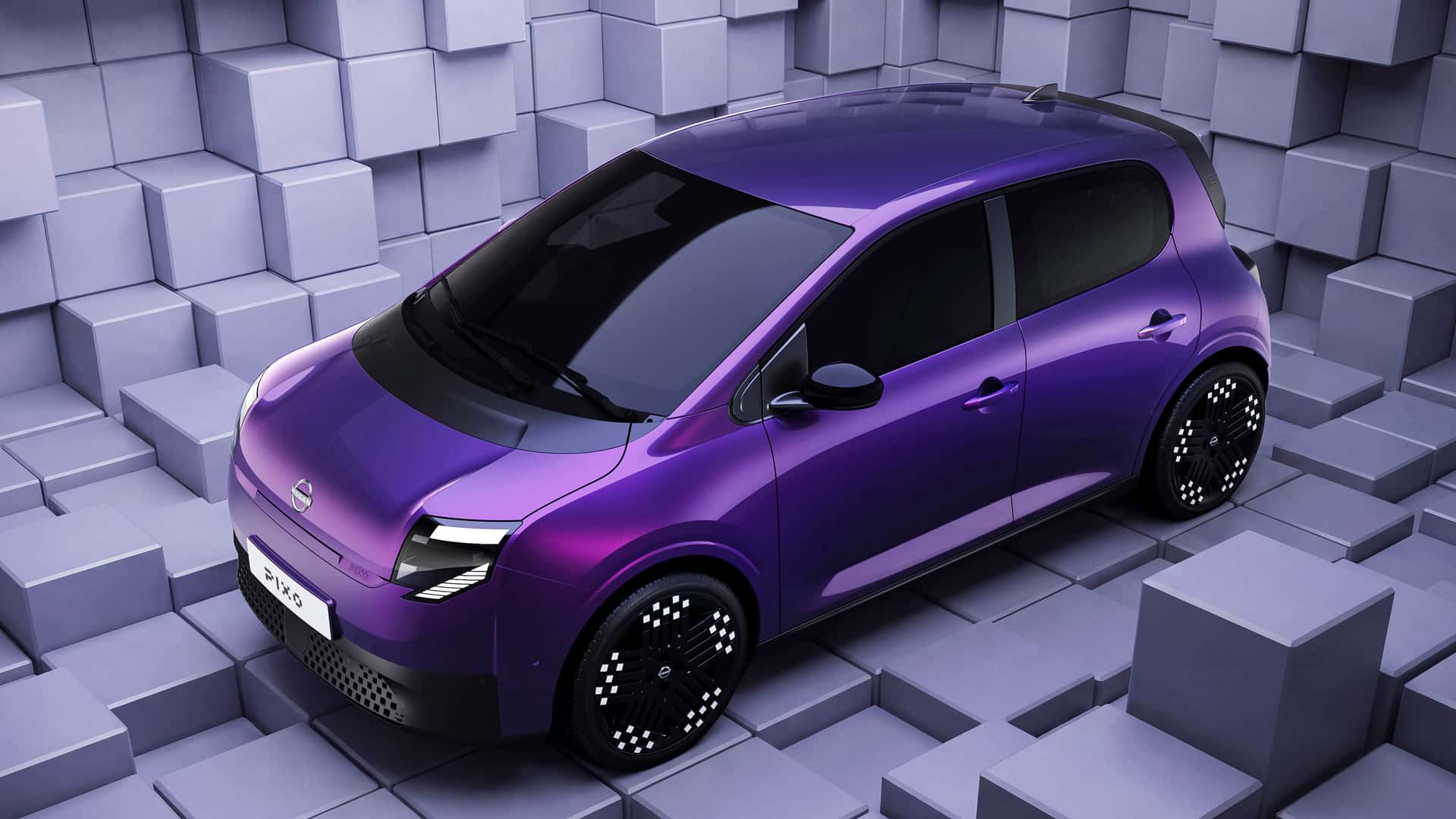
Nissan has unveiled its latest electric vehicle (EV), the Pixo, which is actually a rebadged version of the Renault Twingo. This development highlights the growing collaboration between Nissan and Renault, but it may confuse consumers who expect new models to be distinctively branded. The Pixo is designed primarily as a city car and features an LFP battery.

Key takeaways
30-second read- 1Buyers looking for a compact city EV may find the Pixo appealing, but they should be aware that it is essentially a Renault product.
- 2The collaboration could lead to more affordable EV options in the future, as shared technology may reduce production costs.
- 3Potential owners may need to consider the availability of service and parts, as the vehicle is not a traditional Nissan model.
Confirmed
No official source linked yet
Reported
Secondary reporting: InsideEVs
Verify yourself
Eligibility, local prices and dates for your car, state or utility
Nissan's Newest EV is a Renault, Not a Nissan
Nissan has recently introduced its latest electric vehicle (EV), the Pixo, which is notably a rebadged version of the Renault Twingo. This move underscores the ongoing partnership between Nissan and Renault, as they continue to share resources and technology in the EV market. The Pixo is designed as an adorable city car and is equipped with an LFP (Lithium Iron Phosphate) battery, which is known for its safety and longevity.
What Changed
The primary change is the introduction of the Nissan Pixo, which is essentially a Renault Twingo under a different name. This rebadging may lead to confusion among consumers who expect Nissan's new models to be uniquely branded. The Pixo aims to cater to urban drivers looking for a compact and efficient EV, but its origins in Renault's lineup could impact consumer perception.
Why It Matters for Buyers/Owners
- Brand Perception: Buyers may have preconceived notions about Nissan's brand identity, and the Pixo's Renault roots could affect its appeal. Consumers often associate brands with specific qualities, and this overlap might lead to hesitation.
- Cost Efficiency: The collaboration between Nissan and Renault could pave the way for more cost-effective EV options in the future. Shared technology and production methods may help lower prices, making EVs more accessible.
- Service and Parts Availability: Since the Pixo is not a traditional Nissan model, potential owners should consider the implications for service and parts availability. It may be necessary to seek out Renault service centers, which could vary by region.
Key Details from Source Material
According to InsideEVs, the Pixo is designed for city driving and features an LFP battery, which is becoming increasingly popular due to its safety and performance characteristics. The vehicle's compact size makes it suitable for urban environments, where space and efficiency are paramount. However, the source does not provide specific details about pricing or availability, leaving some questions unanswered for potential buyers.
What to Watch Next
As Nissan and Renault continue to develop their partnership, it will be important to monitor any future announcements regarding the Pixo and other collaborative projects. Consumers should keep an eye on pricing, availability, and any potential updates on service networks for the Pixo. Additionally, further details about the vehicle's specifications and performance may emerge as it becomes available in the market. Until then, buyers interested in the Pixo should weigh the implications of its Renault lineage against their expectations for a Nissan-branded vehicle.
Sources
1 media- [1]Nissan's Newest EV Isn't Actually A NissanMedia
InsideEVs · insideevs.com · published Sep 23
Newsletter
Weekly EV signal. No spam.
Comments
Log in with
Loading comments…


