
Nissan's First EV with Solid-State Batteries Set for 2028 Launch
Updated April 21, 2026
3 min read
1 linked source
Nissan has announced that it is on track to launch its first electric vehicle (EV) powered by all-solid-state batteries by 2028. This development marks a significant milestone for the company as it aims to enhance the performance and efficiency of its EV lineup. However, details regarding specific models and pricing remain unclear at this stage.
Share this story
Why it matters
- ✓The introduction of solid-state batteries could lead to improved range and faster charging times for Nissan's future EVs, benefiting buyers seeking efficiency.
- ✓As solid-state technology matures, it may influence the overall cost of EV ownership, potentially making them more affordable in the long run.
- ✓The timeline for 2028 suggests that consumers will need to wait several years before they can access these advanced battery technologies.
Reporting notes
EV Signal briefs are written to explain the verified change first, then add the context EV buyers and owners need to understand cost, availability, charging access, eligibility, or ownership impact.
If details are still developing, we try to say what is confirmed, what comes from secondary reporting, and what readers should verify before acting.
Source mix
1 linked source
1 media
Reviewed from: Electrek.
Nissan's Solid-State Battery EV Announcement
Nissan has confirmed that it is on track to launch its first electric vehicle (EV) powered by all-solid-state batteries by 2028. This announcement was made during a recent briefing, where the company highlighted its progress towards this ambitious goal.
What Changed
The key development is Nissan's commitment to solid-state battery technology, which is expected to significantly enhance the performance of its EVs. Solid-state batteries are known for their potential to offer higher energy density, improved safety, and faster charging capabilities compared to traditional lithium-ion batteries. This shift represents a major milestone for Nissan as it seeks to innovate within the competitive EV market.
Why It Matters for Buyers and Owners
- Enhanced Performance: The transition to solid-state batteries could result in longer driving ranges and quicker charging times, which are critical factors for many EV buyers.
- Cost Implications: As solid-state battery technology advances, it may lead to lower production costs over time, potentially reducing the overall price of EVs for consumers.
- Future Availability: While the 2028 timeline indicates progress, it also means that current EV buyers will need to wait for these advancements, as they will not be available in the immediate future.
Key Details from Source Material
According to Electrek, Nissan's announcement underscores its commitment to advancing battery technology as part of its broader strategy to enhance its electric vehicle offerings. The company has set a clear target for 2028, but specific details regarding the models that will feature these batteries, as well as pricing and availability, have not yet been disclosed. This leaves some uncertainty for potential buyers who are eager for more information.
What to Watch Next
As Nissan moves forward with its plans, it will be important to monitor updates regarding the development of solid-state batteries and their integration into Nissan's EV lineup. Key points to watch include:
- Future announcements regarding specific models that will utilize solid-state technology.
- Information on pricing and how it compares to current EV offerings.
- Progress in solid-state battery technology and its implications for the broader EV market.
In summary, while Nissan's commitment to solid-state batteries represents a significant step forward, potential buyers will need to remain patient as they await further details on this promising technology.
Sources
These are the documents and reports used to build this brief so readers can verify the story directly.
Comments
Log in with
Loading comments…
More in Models & Pricing
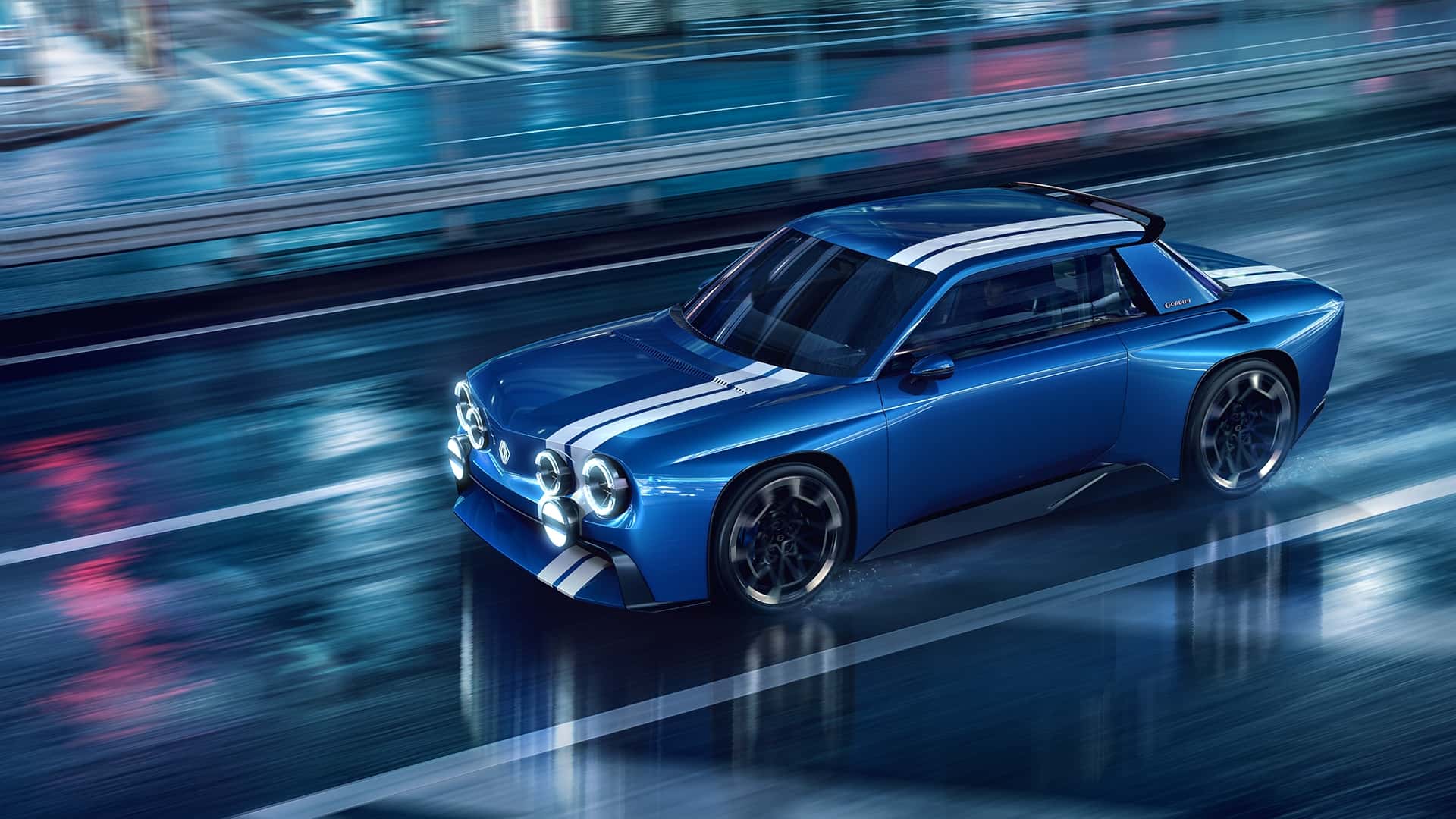
Renault 8 Gordini Returns as Rear-Wheel Drive EV
Renault has unveiled the return of the iconic Renault 8 Gordini as a rear-wheel drive electric…
Just now
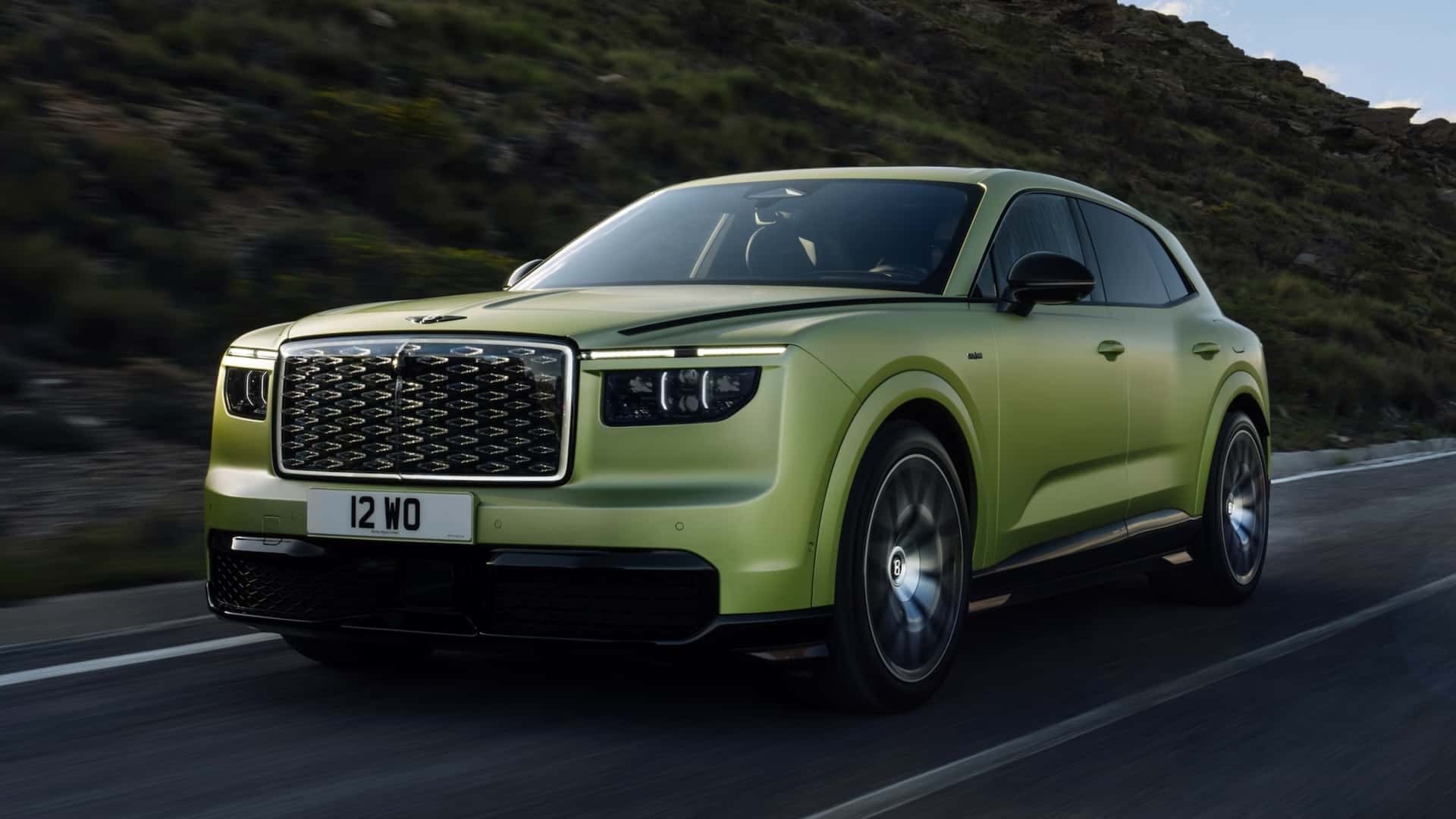
Bentley's First EV, the Torcal, Offers Rapid Charging Capabilities
Bentley has launched its first electric vehicle, the Torcal, a midsize SUV that boasts rapid…
12h ago
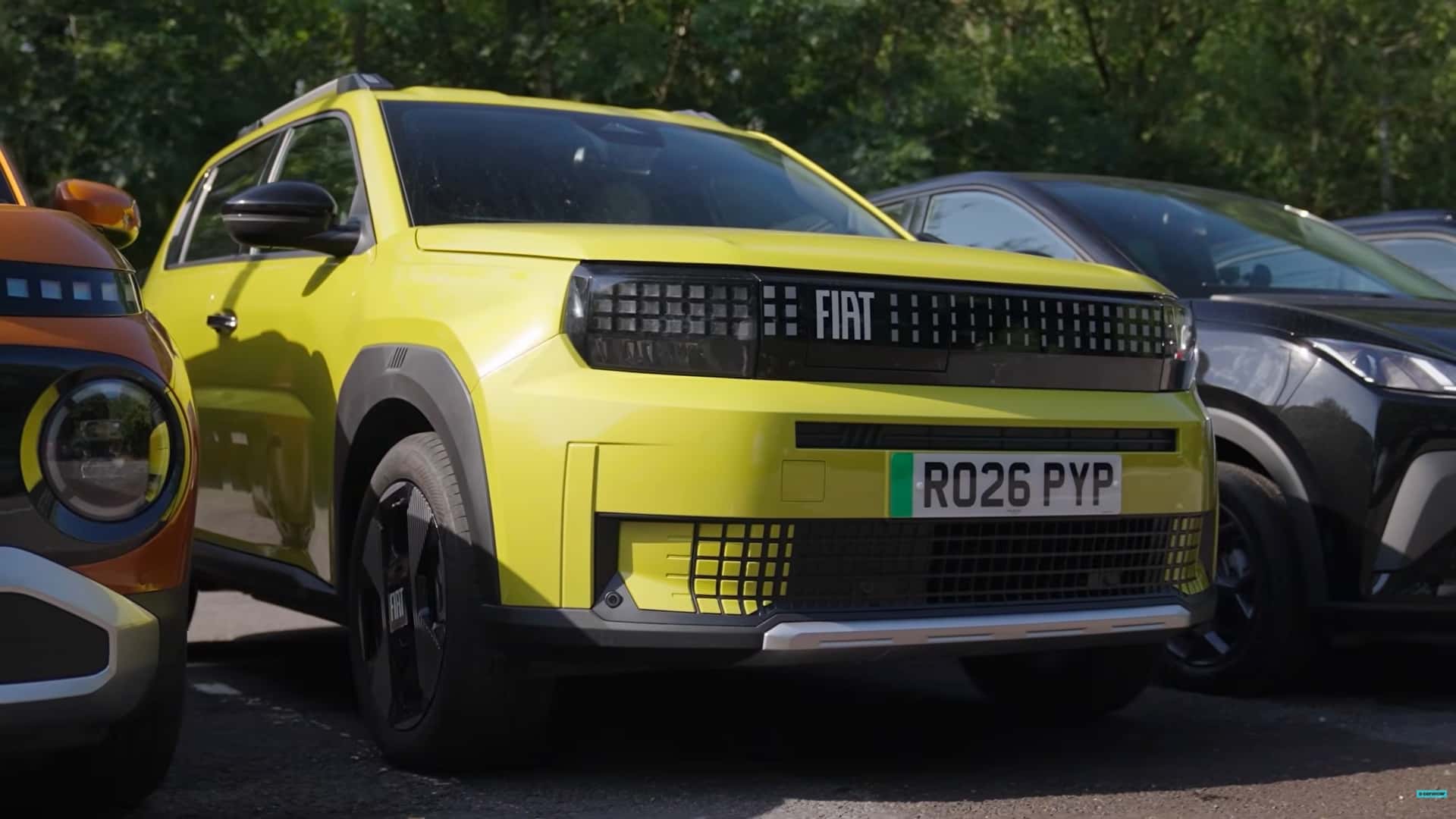
Fiat Grande Panda Outperforms Claimed Range in Real-World Test
In a recent highway range test, the Fiat Grande Panda exceeded its officially claimed range,…
12h ago
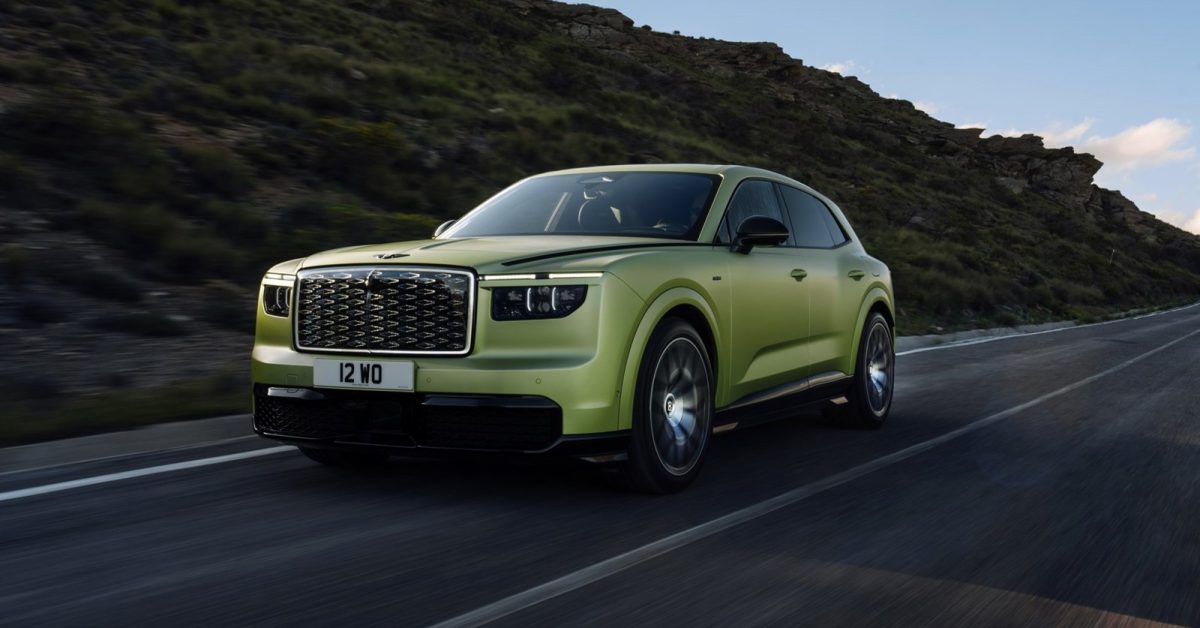
Bentley Launches Torcal, Its First All-Electric SUV
Bentley has officially unveiled the Torcal, marking its entry into the electric vehicle market.…
12h ago