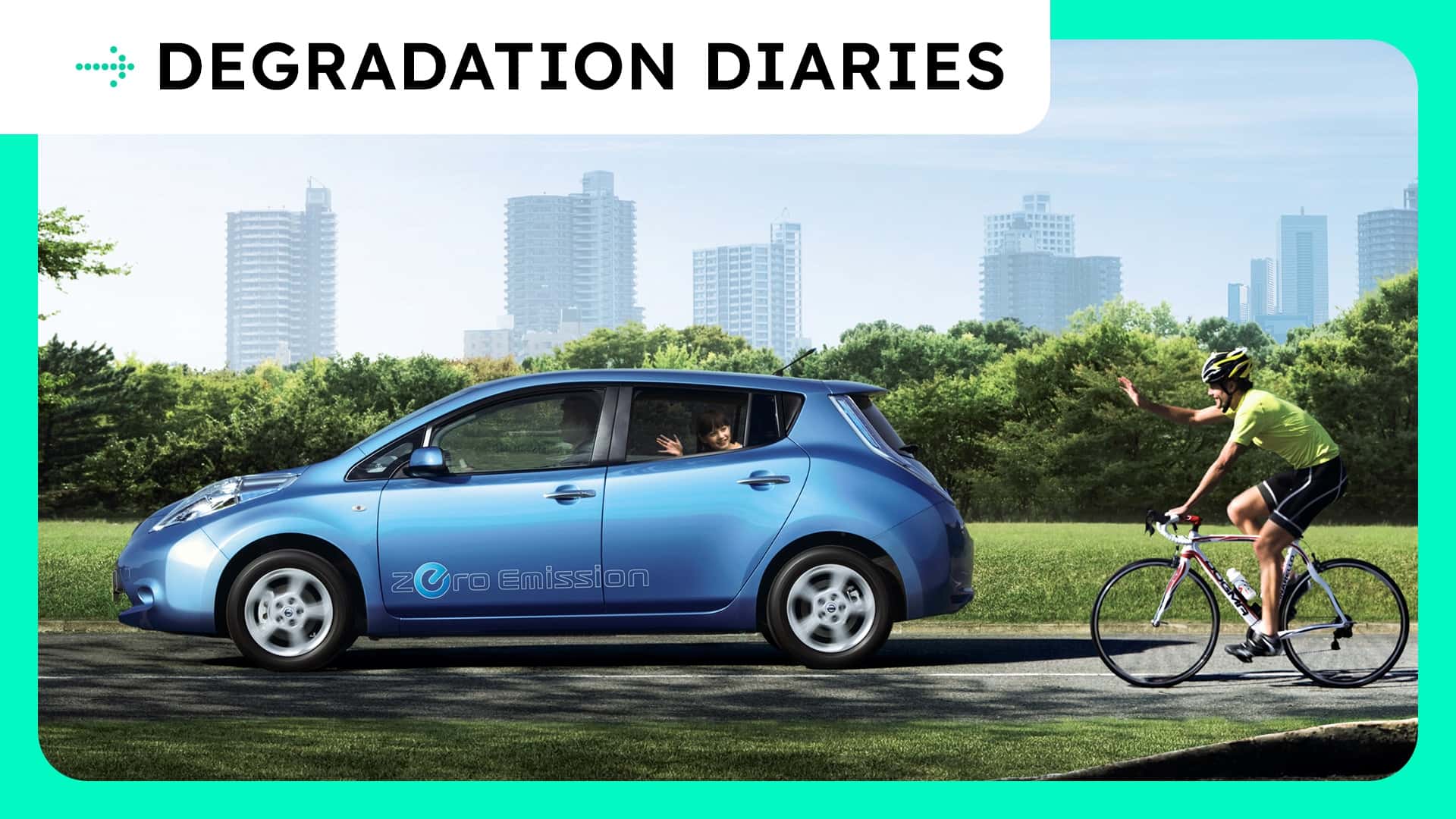
Nissan Leaf's Battery Degradation Concerns Misleading for Modern EVs
Updated July 10, 2026
3 min read
1 linked source
The Nissan Leaf has contributed to widespread fears about electric vehicle (EV) battery degradation, but most contemporary EVs do not experience the same issues. This misconception affects potential buyers and current owners who may be hesitant about the longevity and reliability of newer EV models.
Share this story
Why it matters
- ✓Potential buyers may be discouraged from purchasing EVs due to fears of battery degradation, impacting sales and market growth.
- ✓Current EV owners can be reassured that their vehicles are likely to have better battery longevity than earlier models like the Leaf.
- ✓Understanding battery performance can influence decisions on charging habits and maintenance for EV owners.
Reporting notes
EV Signal briefs are written to explain the verified change first, then add the context EV buyers and owners need to understand cost, availability, charging access, eligibility, or ownership impact.
If details are still developing, we try to say what is confirmed, what comes from secondary reporting, and what readers should verify before acting.
Source mix
1 linked source
1 media
Reviewed from: InsideEVs.
Nissan Leaf's Battery Degradation Concerns Misleading for Modern EVs
The Nissan Leaf has made battery degradation a significant concern among electric vehicle (EV) buyers and owners, but recent insights reveal that most modern EVs do not face the same issues. This fear, largely stemming from the Leaf's performance, may be unfounded for newer models, which are designed with improved battery technology.
What Changed
The perception of battery degradation in EVs has been heavily influenced by the Nissan Leaf's early performance. Reports indicated that the Leaf experienced significant battery capacity loss over time, leading to widespread anxiety about the longevity of electric vehicle batteries. However, according to a feature by InsideEVs, advancements in battery technology mean that most contemporary EVs are aging more gracefully and are less prone to the same degradation issues.
Why It Matters for Buyers and Owners
The implications of this change are significant for both potential buyers and current EV owners:
- Market Impact: Fears surrounding battery degradation may deter potential buyers from investing in EVs, which could slow the growth of the electric vehicle market.
- Owner Reassurance: Current EV owners can take comfort in knowing that their vehicles are likely equipped with better battery technology, reducing concerns about performance and longevity.
- Charging and Maintenance: Understanding that modern EVs are less susceptible to degradation can help owners make informed decisions about charging practices and maintenance, ultimately enhancing their ownership experience.
Key Details from Source Material
The article from InsideEVs emphasizes that while the Nissan Leaf's battery degradation issues were significant, they do not reflect the performance of newer EV models. Many manufacturers have made strides in battery chemistry and management systems, which contribute to improved durability and longevity. As a result, the anxiety surrounding battery degradation is not as pertinent for the majority of today's electric vehicles.
What to Watch Next
As the EV market continues to evolve, it will be important to monitor how manufacturers address battery technology and degradation concerns. Future developments in battery chemistry, charging infrastructure, and consumer education will play crucial roles in shaping public perception and confidence in electric vehicles. Additionally, ongoing studies and real-world data will help clarify the long-term performance of various EV models, providing further reassurance to buyers and owners alike.
In conclusion, while the Nissan Leaf has cast a long shadow over perceptions of battery degradation, the reality for most modern EVs is much more positive. Understanding these differences can empower consumers to make informed decisions in the growing electric vehicle market.
Sources
These are the documents and reports used to build this brief so readers can verify the story directly.
Comments
Log in with
Loading comments…
More in Ownership
Tesla's Lawyers Misled Witness in Racism Trial
Tesla's ongoing racism trial in California has faced significant setbacks as it was revealed that a…
18h ago
Rivian R2 Faces First Recall Due to Camera Issue
Rivian has issued a recall affecting nearly 99,000 vehicles, including some of its new R2 models,…
18h ago
BMW iX3 Outperforms Mercedes GLC and Volvo EX60 in Highway Efficiency Test
In a recent highway test, the BMW iX3 demonstrated superior energy efficiency and range compared to…
1d ago
PHEV Batteries Show Resilience Despite Frequent Cycling
Plug-in hybrid electric vehicles (PHEVs) experience more frequent battery cycling than fully…
1d ago