Nissan Aims for Hybrids as Primary Powertrain by 2030
Nissan has announced plans to make hybrids its primary powertrain option by 2030, responding to the growing popularity of hybrid vehicles. This shift will affect future Nissan models, including the introduction of more hybrid and extended-range electric vehicles (EREVs). However, specific details regarding the transition timeline and model availability remain unclear.

Key takeaways
30-second read- 1Potentially lower ownership costs for buyers who prefer hybrids over fully electric vehicles.
- 2Increased availability of hybrid options may appeal to consumers hesitant about fully electric vehicles due to charging infrastructure concerns.
- 3The shift could impact resale values and market dynamics for existing EV and hybrid owners.
Confirmed
No official source linked yet
Reported
Secondary reporting: InsideEVs
Verify yourself
Eligibility, local prices and dates for your car, state or utility
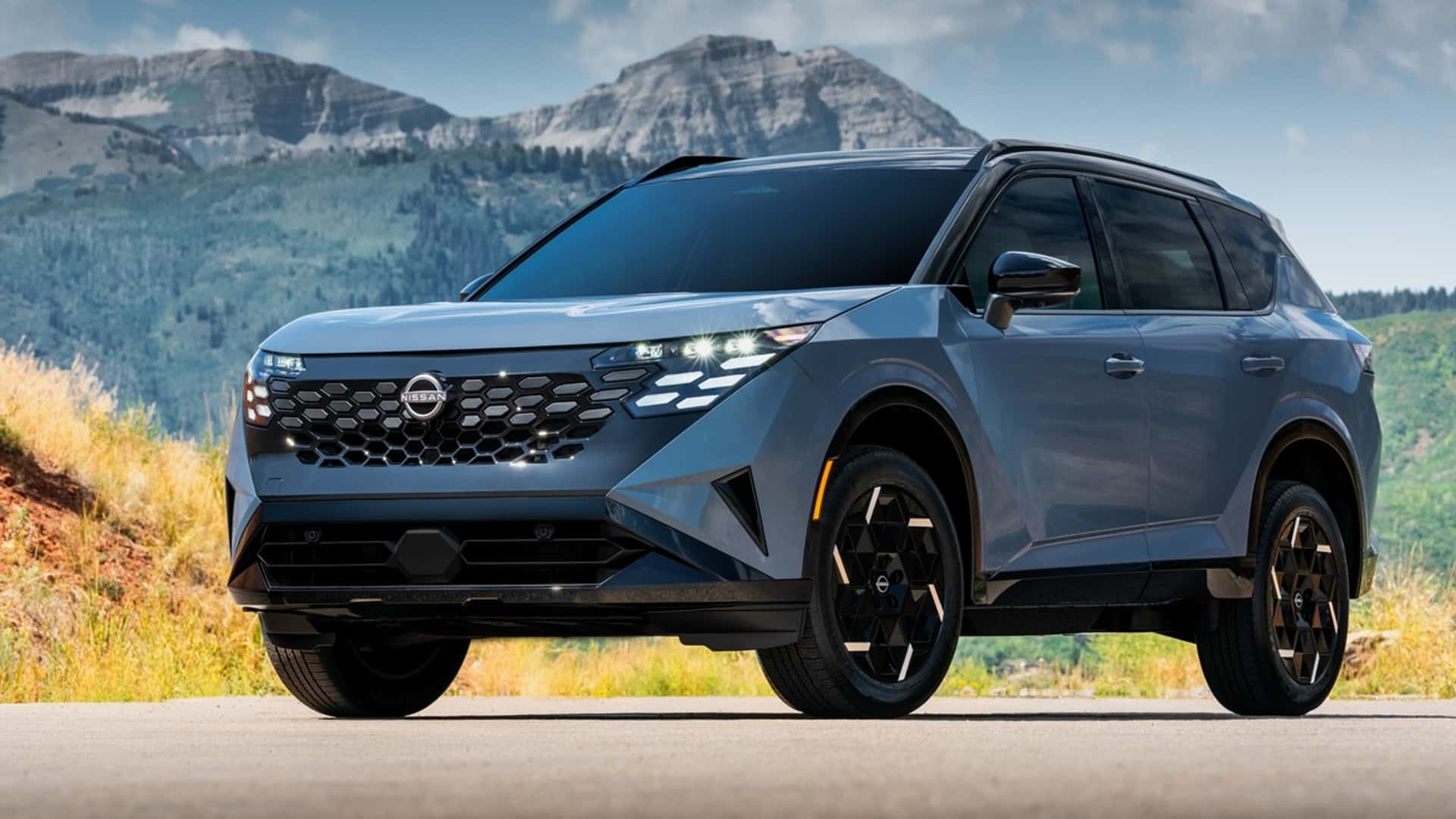
Nissan's Hybrid Strategy
Nissan has set a clear goal to make hybrids its primary powertrain by 2030, as reported by InsideEVs. This strategic shift comes in response to the increasing demand for hybrid vehicles, as consumers look for alternatives that balance fuel efficiency with convenience.
What Changed
The key change is Nissan's commitment to prioritize hybrid technology, including the development of more hybrid models and extended-range electric vehicles (EREVs). This decision marks a significant pivot in Nissan's approach to vehicle powertrains, emphasizing hybrids as a central part of their future lineup.
Why It Matters for Buyers and Owners
This shift towards hybrids could have several implications for current and prospective EV buyers and owners:
- Ownership Costs: Hybrids typically offer lower upfront costs compared to fully electric vehicles, which could make them more accessible to a broader range of consumers.
- Market Appeal: As Nissan expands its hybrid offerings, buyers who are hesitant about fully electric vehicles due to concerns about charging infrastructure may find these new options more appealing.
- Resale Values: The introduction of more hybrid models could influence the resale market, potentially affecting the value of existing EVs and hybrids.
Key Details from Source Material
According to InsideEVs, Nissan's strategy reflects a broader trend in the automotive industry, where hybrids are gaining traction. The company aims to ensure that it remains competitive in a rapidly evolving market. While specific models and timelines have not been disclosed, the emphasis on hybrids suggests a significant investment in this technology.
What to Watch Next
As Nissan moves forward with its hybrid strategy, it will be important to monitor the following developments:
- Model Announcements: Keep an eye out for specific hybrid and EREV models that Nissan plans to introduce in the coming years.
- Market Response: Observe how consumers react to Nissan's hybrid offerings compared to competitors in the market.
- Infrastructure Developments: Watch for advancements in charging infrastructure that may support the adoption of hybrids and EREVs.
In conclusion, Nissan's commitment to hybrids as its primary powertrain by 2030 represents a significant shift in its vehicle strategy. While details are still emerging, this move could reshape the options available to consumers and influence the broader automotive landscape.
Sources
1 media- [1]Nissan Wants Hybrids To Be Its Primary Powertrain By 2030Media
InsideEVs · insideevs.com · published Sep 30
Newsletter
Weekly EV signal. No spam.
Comments
Log in with
Loading comments…


