NIO Plans 10,000 Battery Swap Stations by 2030
NIO has announced ambitious targets to operate over 10,000 battery swap stations and manage $52 billion worth of batteries by 2030. This plan requires NIO to significantly increase its current pace of station deployment, which has faced challenges in the past. The company aims to deliver over 10 billion kWh of energy annually through its charging and swapping services by the end of the decade.

Key takeaways
30-second read- 1Increased availability of battery swap stations could enhance convenience for NIO EV owners, reducing charging time significantly.
- 2The $52 billion battery management target indicates NIO's commitment to expanding its Battery-as-a-Service model, potentially lowering ownership costs for consumers.
- 3NIO's expansion plans may attract more partnerships, improving the overall infrastructure for EVs in the market.
Confirmed
No official source linked yet
Reported
Secondary reporting: Electrek
Verify yourself
Eligibility, local prices and dates for your car, state or utility
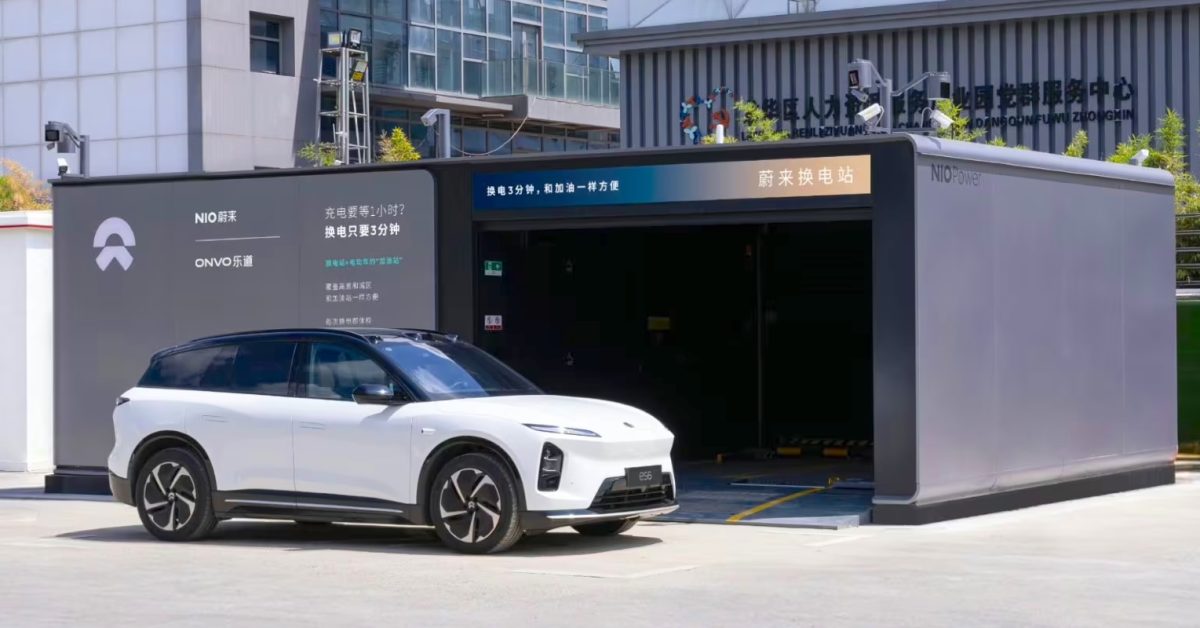
NIO has set ambitious goals for its energy division, NIO Power, aiming to operate over 10,000 battery swap stations and manage over RMB 350 billion (approximately $52 billion) worth of battery packs by 2030. This expansion plan was announced during the NIO IN 2026 event, marking the company's 12th anniversary. Currently, NIO operates 4,252 battery swap stations in China and 5,584 charging stations. To meet its 2030 target, NIO will need to add approximately 1,400 swap stations each year for the next four years, a significant increase from its recent pace of station deployment.
What changed
As of November 11, NIO's current network includes 4,252 battery swap stations, which is a far cry from the 10,000 target set for 2030. The company has previously struggled to meet its targets, having missed its goal of establishing over 4,000 stations by the end of 2025. In February 2026, NIO reported having about 3,700 stations, indicating that the company has added just over 500 since then. The ambitious goal of 10,000 stations will require a substantial ramp-up in construction and operational efficiency.
Why it matters for buyers and owners
- Convenience: The increase in battery swap stations will provide NIO EV owners with more options for quick battery replacements, reducing downtime and enhancing the overall ownership experience.
- Cost Management: NIO's commitment to managing $52 billion in batteries through its Battery-as-a-Service model could lead to lower upfront costs for consumers, as they can purchase vehicles without the battery pack and rent it instead.
- Infrastructure Growth: If NIO successfully partners with other companies to expand its swap network, it could lead to a more robust EV infrastructure, benefiting all electric vehicle users.
Key details
NIO's energy division aims to deliver over 10 billion kWh of energy annually by 2030, which includes energy from both charging and battery swapping. The company has been co-building swap stations with partners, having established over 900 such collaborations. NIO's latest generation of swap stations, which opened in August, are designed to serve all three of its vehicle brands, enhancing compatibility and efficiency.
What to watch next
NIO's ability to meet its ambitious targets will depend on its execution and the partnerships it forms in the coming years. The competition in the EV market is intensifying, with other manufacturers exploring fast-charging solutions that could challenge the viability of battery swapping. Additionally, the effectiveness of NIO's Battery-as-a-Service model will be crucial in determining its long-term success and appeal to consumers.
Sources
1 media- [1]NIO targets 10,000 battery swap stations and $52B in batteries by 2030Media
Electrek · electrek.co · published Nov 25
Newsletter
Weekly EV signal. No spam.
Comments
Log in with
Loading comments…