NHTSA Proposes Cyan Lights for Driverless Cars Like Cybercab
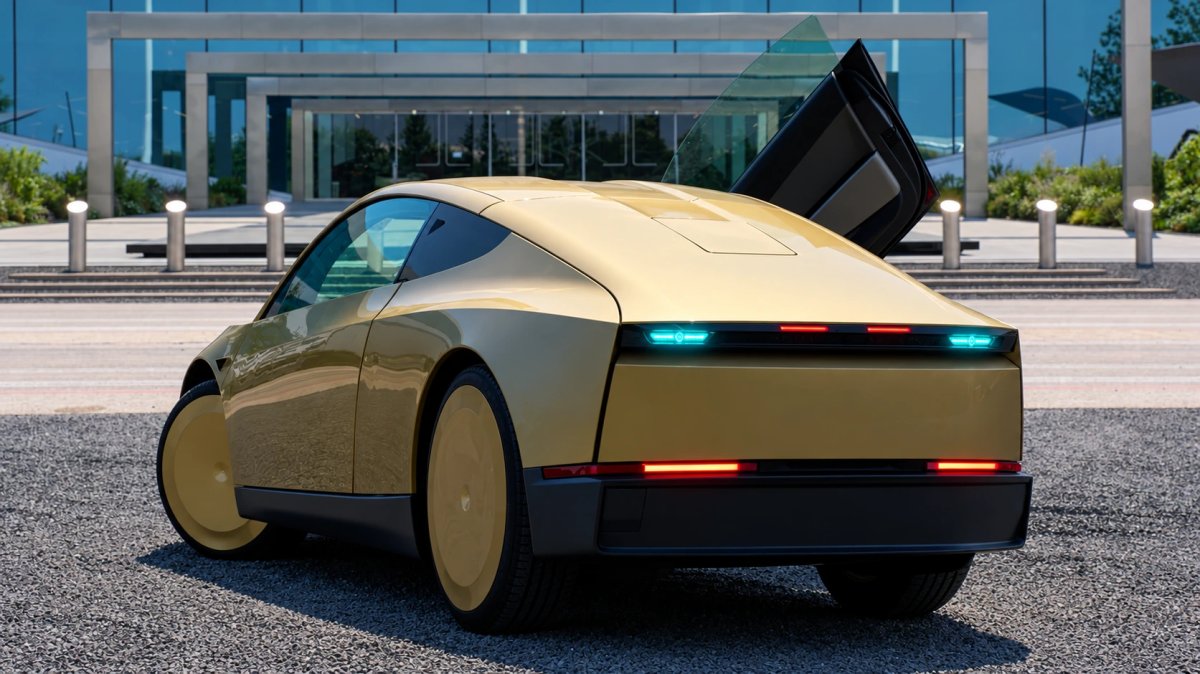
The National Highway Traffic Safety Administration (NHTSA) has proposed a new rule that would allow for optional cyan lights on autonomous vehicles (AVs) such as the Cybercab. This proposal also eliminates the requirement for manual lighting controls in AVs that do not have traditional steering wheels or pedals. This change primarily affects manufacturers of driverless vehicles and their design specifications.

Key takeaways
30-second read- 1The introduction of cyan lights could enhance visibility and communication of autonomous vehicles to pedestrians and other drivers, potentially improving safety.
- 2Eliminating manual lighting controls may simplify the design and reduce manufacturing costs for AVs, which could influence pricing for consumers.
- 3As AV technology evolves, these regulatory changes may accelerate the deployment of driverless vehicles in urban environments.
Confirmed
No official source linked yet
Reported
Secondary reporting: Not a Tesla App
Verify yourself
Eligibility, local prices and dates for your car, state or utility
NHTSA Proposes Cyan Lights for Driverless Cars Like Cybercab
The National Highway Traffic Safety Administration (NHTSA) has announced a proposal that could significantly impact the design and functionality of autonomous vehicles (AVs), including models like the Cybercab. The proposed rule introduces optional cyan Automated Driving System (ADS) marker lamps while also eliminating the requirement for manual lighting controls in AVs that lack traditional steering wheels or pedals.
What Changed
Under the new proposal, manufacturers of autonomous vehicles will have the option to incorporate cyan lights as a means of signaling their presence and operational status. This change is particularly relevant for fully autonomous vehicles, which do not require human drivers and, consequently, do not have the conventional controls found in traditional cars. The removal of manual lighting controls aims to streamline the design process for these vehicles, potentially leading to cost savings in production.
Why It Matters for Buyers/Owners
-
Enhanced Safety: The introduction of cyan lights could improve the visibility of autonomous vehicles, making it easier for pedestrians and other road users to identify them. This could lead to safer interactions between AVs and their surroundings.
-
Cost Implications: By eliminating manual lighting controls, manufacturers may reduce production costs, which could translate to lower prices for consumers. This is particularly relevant as the market for AVs continues to develop and mature.
-
Regulatory Evolution: As regulations adapt to new technologies, the approval of features like cyan lights may pave the way for broader acceptance and deployment of autonomous vehicles in urban areas, potentially increasing availability for consumers.
Key Details from Source Material
According to the proposal detailed by Not a Tesla App, the NHTSA's FMVSS 108 (Federal Motor Vehicle Safety Standards) is being updated to include these optional cyan lights. The decision to drop manual lighting controls reflects a significant shift in how AVs are designed, focusing on the unique characteristics of vehicles that operate without human intervention. This change could set a precedent for future regulations concerning the design and operation of autonomous vehicles.
What to Watch Next
As the proposal is still in the discussion phase, it will be important to monitor the NHTSA's timeline for finalizing these regulations. Stakeholders in the automotive industry, including manufacturers and safety advocates, will likely provide feedback that could influence the final outcome. Additionally, the broader implications of these changes on the market for autonomous vehicles and their acceptance by the public will be critical to observe as the technology continues to evolve.
In summary, the NHTSA's proposal to introduce cyan lights for driverless cars marks a notable step in the evolution of autonomous vehicle regulations, potentially enhancing safety and influencing the future landscape of vehicle design.
Sources
1 media- [1]NHTSA Proposes Cyan Lights for Driverless Cars Like CybercabMedia
Not a Tesla App · notateslaapp.com · published Oct 24
Newsletter
Weekly EV signal. No spam.
Comments
Log in with
Loading comments…


