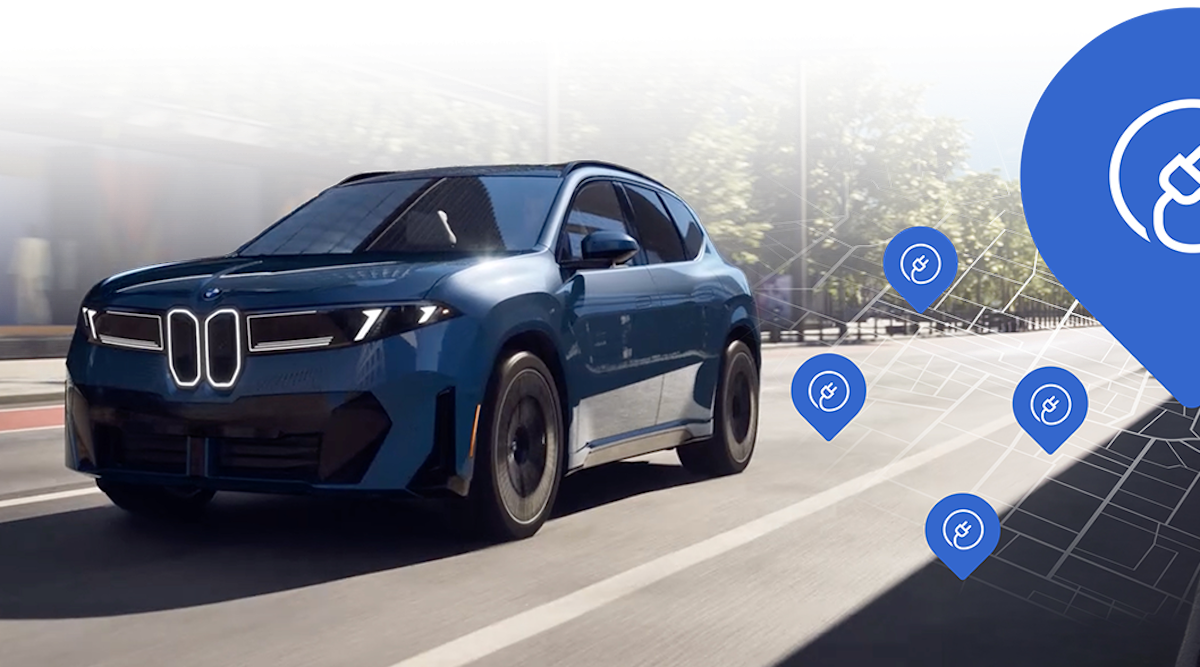
NHTSA Proposes Cyan Lights for Autonomous Vehicles
The National Highway Traffic Safety Administration (NHTSA) has proposed the use of cyan-colored lights to identify autonomous vehicles, a move that follows similar initiatives by Mercedes and in China. This proposal aims to enhance safety and clarity regarding the operation of robotaxis. However, details on implementation timelines and specific regulations remain uncertain.

Key takeaways
30-second read- 1Increased visibility of autonomous vehicles may improve safety for both pedestrians and other drivers.
- 2The introduction of standardized lighting could affect the design and features of future EV models, particularly those intended for autonomous use.
- 3Potential changes in regulations may influence the availability and operation of robotaxis in urban areas.
Confirmed
No official source linked yet
Reported
Secondary reporting: Electrek
Verify yourself
Eligibility, local prices and dates for your car, state or utility

NHTSA Proposes Cyan Lights for Autonomous Vehicles
The National Highway Traffic Safety Administration (NHTSA) has put forth a proposal to utilize cyan-colored lights on vehicles operating autonomously, particularly focusing on robotaxis. This initiative aligns with similar efforts seen from automotive manufacturers like Mercedes and regulatory actions in China, aimed at enhancing the identification and safety of self-driving vehicles.
What Changed
The NHTSA's proposal introduces the idea of using cyan lights as a distinct visual marker for autonomous vehicles. This is part of a broader strategy to prepare for the increasing presence of autonomous vehicles on public roads. The use of specific colors for vehicle lights is intended to help pedestrians and other drivers easily recognize when a vehicle is operating in autonomous mode, potentially reducing accidents and improving overall road safety.
Why It Matters for Buyers and Owners
- Safety Enhancements: The introduction of standardized lighting for autonomous vehicles could lead to fewer accidents involving these vehicles, benefiting both pedestrians and drivers.
- Impact on Vehicle Design: As manufacturers adapt to these new regulations, future EV models may incorporate these lighting features, which could influence consumer choices and vehicle aesthetics.
- Regulatory Changes: The proposal may pave the way for new regulations governing the operation of robotaxis, impacting their availability and operational guidelines in urban environments.
Key Details from Source Material
According to the report from Electrek, the NHTSA's proposal is part of a larger effort to prepare for the future of autonomous vehicles. While the proposal has been made, specific timelines for implementation and further regulatory details are still pending. The initiative reflects a growing recognition of the need for clear visual cues in the evolving landscape of transportation, particularly as more manufacturers enter the autonomous vehicle market.
What to Watch Next
As the NHTSA continues to refine its proposals, stakeholders in the EV market—including manufacturers, city planners, and consumers—should keep an eye on upcoming announcements regarding the implementation of these lighting standards. Additionally, the response from automotive manufacturers and how they plan to integrate these changes into their designs will be crucial in shaping the future of autonomous vehicle operation. Further developments may also clarify how these regulations will affect the rollout of robotaxis in various regions.
Sources
1 media- [1]NHTSA proposes cyan lights for robotaxis, following Mercedes/ChinaMedia
Electrek · electrek.co · published Oct 24
Newsletter
Weekly EV signal. No spam.
Comments
Log in with
Loading comments…