
NHTSA Issues New Rule on Fuel Economy Standards for Medium- and Heavy-Duty Vehicles
Updated September 25, 2026
3 min read
1 linked source
The National Highway Traffic Safety Administration (NHTSA) has released an interpretive rule clarifying its authority to set fuel economy standards specifically for commercial medium- and heavy-duty on-highway vehicles and work trucks. This rule indicates that NHTSA does not have the authority to establish separate standards for engines. A review of existing standards will follow in a separate rulemaking process.
Share this story
Why it matters
- ✓The clarification may impact the regulatory landscape for electric commercial vehicles, potentially influencing their development and market entry.
- ✓Changes in fuel economy standards could affect the operational costs of medium- and heavy-duty EVs, influencing their adoption by businesses.
- ✓Pending rulemaking may lead to adjustments in enforcement practices, which could affect compliance costs for manufacturers.
NHTSA Issues New Rule on Fuel Economy Standards
The National Highway Traffic Safety Administration (NHTSA) has issued an interpretive rule that clarifies its authority regarding fuel economy standards for commercial medium- and heavy-duty on-highway vehicles and work trucks. This rule, which was published on August 31, 2026, specifies that NHTSA does not have the authority to set separate standards for vehicle engines, focusing instead on vehicle standards themselves.
What Changed
The key change is the interpretation of NHTSA's authority, which now explicitly states that it can only set fuel economy standards for the vehicles as a whole and not for their individual engines. This clarification is significant as it shapes how fuel economy regulations will be applied to commercial vehicles moving forward. NHTSA plans to review existing standards for these vehicles to ensure they align with this new interpretation, although this will occur in a separate rulemaking process.
Why It Matters for Buyers/Owners
-
Impact on Electric Commercial Vehicles: This clarification may affect the regulatory environment for electric commercial vehicles. As manufacturers develop new electric models, understanding the fuel economy standards will be crucial for compliance and market strategy.
-
Operational Costs: Changes in fuel economy standards could influence the operational costs associated with medium- and heavy-duty electric vehicles. Businesses may need to reassess their vehicle choices based on how these standards affect fuel efficiency and overall cost-effectiveness.
-
Compliance Costs: The pending rulemaking process could lead to changes in how NHTSA enforces existing standards, which may affect compliance costs for manufacturers. This could ultimately impact the pricing of vehicles available to buyers and owners.
Key Details from Source Material
According to the NHTSA's announcement, the agency will undertake a review of the existing standards applicable to commercial medium- and heavy-duty on-highway vehicles and work trucks to ensure they are consistent with the new interpretation. This review will occur in a separate rulemaking process, and until then, NHTSA will enforce affected standards according to the new interpretation.
What to Watch Next
As the NHTSA moves forward with its review and rulemaking process, stakeholders in the electric vehicle market, particularly those focused on commercial applications, should stay informed about any updates. Key points to monitor include:
- The timeline for the upcoming rulemaking process and any proposed changes to existing standards.
- How manufacturers respond to the clarified authority and what new models or technologies may emerge as a result.
- Potential impacts on the market for electric commercial vehicles, including pricing and availability.
In summary, while the NHTSA's new interpretive rule provides clarity on its authority regarding fuel economy standards, the implications for electric vehicle buyers and owners, particularly in the commercial sector, will unfold as the agency reviews existing standards and enforces compliance.
Sources
These are the documents and reports used to build this brief so readers can verify the story directly.
Reporting notes
EV Signal briefs are written to explain the verified change first, then add the context EV buyers and owners need to understand cost, availability, charging access, eligibility, or ownership impact.
If details are still developing, we try to say what is confirmed, what comes from secondary reporting, and what readers should verify before acting.
Source mix
1 linked source
1 official
Reviewed from: NHTSA News.
Comments
Log in with
Loading comments…
More in Ownership
Tesla's Lawyers Misled Witness in Racism Trial
Tesla's ongoing racism trial in California has faced significant setbacks as it was revealed that a…
1d ago

Rivian R2 Faces First Recall Due to Camera Issue
Rivian has issued a recall affecting nearly 99,000 vehicles, including some of its new R2 models,…
1d ago
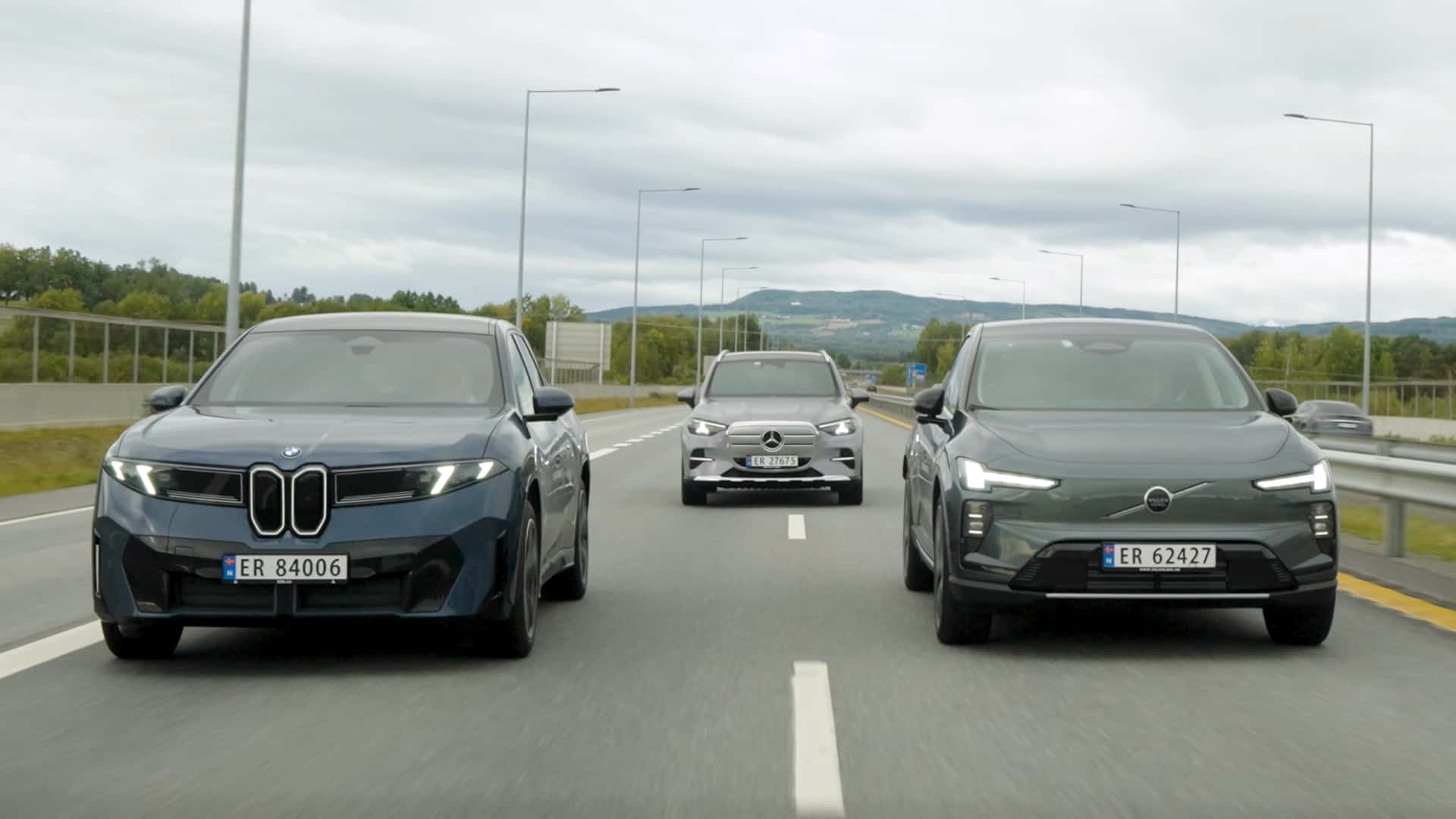
BMW iX3 Outperforms Mercedes GLC and Volvo EX60 in Highway Efficiency Test
In a recent highway test, the BMW iX3 demonstrated superior energy efficiency and range compared to…
1d ago
PHEV Batteries Show Resilience Despite Frequent Cycling
Plug-in hybrid electric vehicles (PHEVs) experience more frequent battery cycling than fully…
2d ago