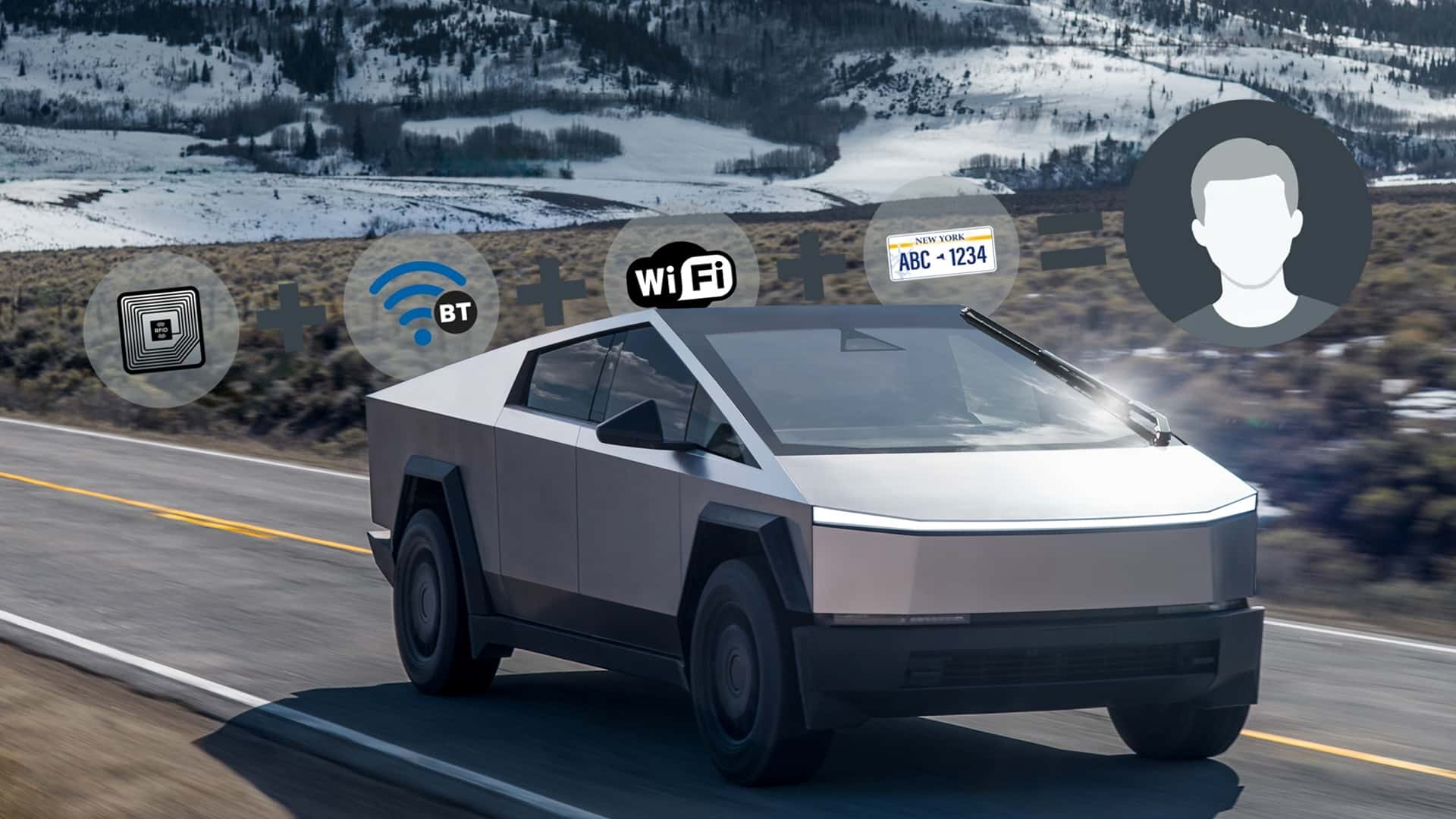
Next-Gen ALPR Systems to Track More Than Just Vehicles
Updated June 20, 2026
3 min read
1 linked source
Next-generation Automatic License Plate Recognition (ALPR) systems are set to expand their tracking capabilities beyond vehicles to include personal devices such as AirPods and wearables. This change could impact privacy concerns for users of these devices, as their movements may be monitored alongside their vehicles. The full extent of this technology's implementation and its implications for users remains uncertain.
Share this story
Why it matters
- ✓Increased tracking of personal devices could raise privacy concerns for EV owners and buyers.
- ✓Potential for enhanced data collection may affect how owners interact with their vehicles and personal tech.
- ✓Understanding the implications of this technology is crucial for consumers who value privacy.
Reporting notes
EV Signal briefs are written to explain the verified change first, then add the context EV buyers and owners need to understand cost, availability, charging access, eligibility, or ownership impact.
If details are still developing, we try to say what is confirmed, what comes from secondary reporting, and what readers should verify before acting.
Source mix
1 linked source
1 media
Reviewed from: InsideEVs.
Next-Gen ALPR Systems to Track More Than Just Vehicles
Next-generation Automatic License Plate Recognition (ALPR) systems are poised to expand their tracking capabilities beyond just vehicles. These advanced systems aim to bridge the gap between drivers and their personal devices, including AirPods, wearables, and potentially more. This development raises important questions about privacy and data collection for consumers.
What Changed
The evolution of ALPR technology means that it will no longer be limited to monitoring just license plates. As reported by InsideEVs, these systems will now have the capability to track various personal devices that individuals may carry with them. This change signifies a significant shift in how tracking technology is utilized and could lead to a broader surveillance landscape.
Why It Matters for Buyers and Owners
For EV buyers and owners, the implications of this tracking technology are multifaceted:
- Privacy Concerns: The increased ability to track personal devices alongside vehicles may lead to heightened privacy issues. Consumers who value their privacy may need to reconsider how they use connected devices in conjunction with their vehicles.
- Data Collection: The potential for enhanced data collection could influence how owners interact with their vehicles and their personal technology. This may lead to new features or services but also raises questions about data security and ownership.
- Consumer Awareness: Understanding the implications of this technology is crucial for consumers. As tracking capabilities expand, buyers should be aware of how their data might be used and what measures they can take to protect their privacy.
Key Details from Source Material
According to InsideEVs, the next-gen ALPR systems are designed to create a more interconnected experience between drivers and their devices. This means that as you move with your vehicle, your personal devices could also be tracked, leading to a comprehensive profile of your movements. The full extent of this technology's implementation and the specific devices that will be tracked are still not fully confirmed, leaving room for further developments.
What to Watch Next
As this technology continues to evolve, it will be important for consumers to stay informed about:
- Regulatory Changes: How governments and regulatory bodies respond to the privacy implications of expanded tracking capabilities.
- Consumer Reactions: How consumers adapt to these changes and whether there will be a push for more privacy protections.
- Technological Developments: Any advancements in ALPR technology that may further enhance or limit tracking capabilities.
In conclusion, while the next-gen ALPR systems promise to enhance connectivity between vehicles and personal devices, they also raise significant privacy concerns that EV buyers and owners should consider. Staying informed about these changes will be crucial as the landscape of vehicle and personal device tracking continues to evolve.
Sources
These are the documents and reports used to build this brief so readers can verify the story directly.
Comments
Log in with
Loading comments…
More in Ownership
Tesla's Lawyers Misled Witness in Racism Trial
Tesla's ongoing racism trial in California has faced significant setbacks as it was revealed that a…
18h ago

Rivian R2 Faces First Recall Due to Camera Issue
Rivian has issued a recall affecting nearly 99,000 vehicles, including some of its new R2 models,…
18h ago

BMW iX3 Outperforms Mercedes GLC and Volvo EX60 in Highway Efficiency Test
In a recent highway test, the BMW iX3 demonstrated superior energy efficiency and range compared to…
1d ago
PHEV Batteries Show Resilience Despite Frequent Cycling
Plug-in hybrid electric vehicles (PHEVs) experience more frequent battery cycling than fully…
1d ago