
New Megawatt EV Chargers Set to Arrive in America, But Vehicle Compatibility Remains an Issue

Edited by Ionna Brakeley
Charging & Ownership
Updated May 16, 2026
3 min read
1 linked source
The next generation of electric vehicle chargers, capable of delivering megawatt-level charging speeds, is being introduced in the U.S. However, current electric vehicles are not equipped to handle these speeds, creating a mismatch between charging infrastructure and vehicle capabilities. This development raises questions about the future of EV charging and the readiness of vehicles to utilize such technology.
Share this story
Why it matters
- ✓Faster charging could significantly reduce downtime for EV owners, enhancing the convenience of electric vehicle use.
- ✓If vehicles do not adapt to these new charging standards, owners may not benefit from the advancements in charging technology.
- ✓The introduction of megawatt chargers may lead to increased competition and innovation in the EV market, potentially lowering costs over time.
Introduction of Megawatt Chargers
The landscape of electric vehicle (EV) charging is set to change dramatically with the introduction of megawatt-level chargers in the United States. These chargers promise to deliver charging speeds far exceeding the current 400-kilowatt capabilities, potentially revolutionizing the way EVs are charged. However, a significant limitation exists: most current electric vehicles are not designed to handle these rapid charging speeds.
What Changed
According to a report from InsideEVs, companies like Alpitronic, ABB, and Kempower are preparing to roll out megawatt chargers across America. This new generation of chargers aims to provide faster charging solutions, which could dramatically reduce the time it takes to recharge an EV. However, the vehicles currently on the market are not equipped to take advantage of this technology, leaving a gap between what the infrastructure offers and what consumers can utilize.
Why It Matters for Buyers and Owners
- Reduced Downtime: If future EV models are designed to support megawatt charging, owners could experience significantly reduced charging times, making electric vehicles more convenient for long-distance travel.
- Compatibility Issues: As it stands, the lack of vehicle compatibility with these new chargers means that current EV owners will not benefit from the advancements in charging technology unless their vehicles are updated or replaced.
- Market Dynamics: The introduction of faster chargers may stimulate competition among manufacturers, leading to innovations that could lower the overall cost of EV ownership in the long run.
Key Details from Source Material
The report highlights that the shift from 400-kilowatt chargers to megawatt chargers represents a significant leap in charging technology. While these chargers are on the horizon, the current EV market is not prepared for such rapid charging capabilities. This situation underscores the need for automakers to innovate and adapt their vehicles to meet the evolving charging infrastructure.
What to Watch Next
As the rollout of megawatt chargers begins, it will be crucial to monitor how automakers respond. Will they develop new models that can utilize these advanced charging speeds? Additionally, the industry will need to address the compatibility issues to ensure that existing EV owners are not left behind. The next few years will be pivotal in determining how quickly this technology is adopted and how it reshapes the EV landscape in America.
In conclusion, while the advent of megawatt chargers presents exciting possibilities for the future of electric vehicle charging, the current lack of vehicle readiness poses a significant challenge. Stakeholders in the EV market, including manufacturers and consumers, will need to navigate this transition carefully.
Sources
These are the documents and reports used to build this brief so readers can verify the story directly.
Reporting notes
EV Signal briefs are written to explain the verified change first, then add the context EV buyers and owners need to understand cost, availability, charging access, eligibility, or ownership impact.
If details are still developing, we try to say what is confirmed, what comes from secondary reporting, and what readers should verify before acting.
Source mix
1 linked source
1 media
Reviewed from: InsideEVs.
Comments
Log in with
Loading comments…
More in Charging

EVDANCE Launches EV Charging Extension Cable in NACS and J1772 Versions
EVDANCE has expanded its EV Charging Extension Cable offerings to include versions compatible with…
3h ago
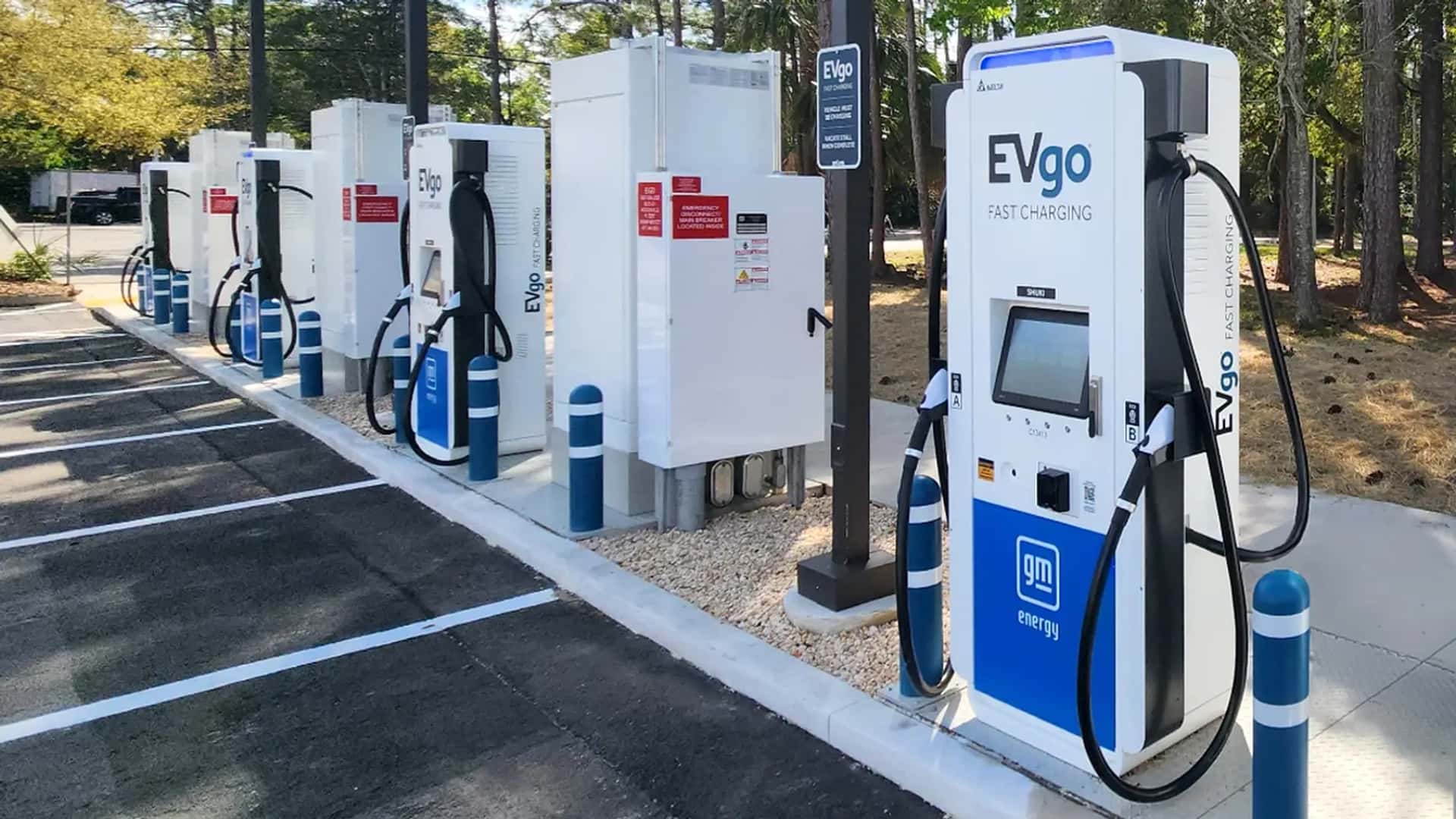
EVgo Expands Charging Network with 750 kW Chargers
EVgo is enhancing its charging network by introducing 750 kW EV chargers that will support dynamic…
3h ago
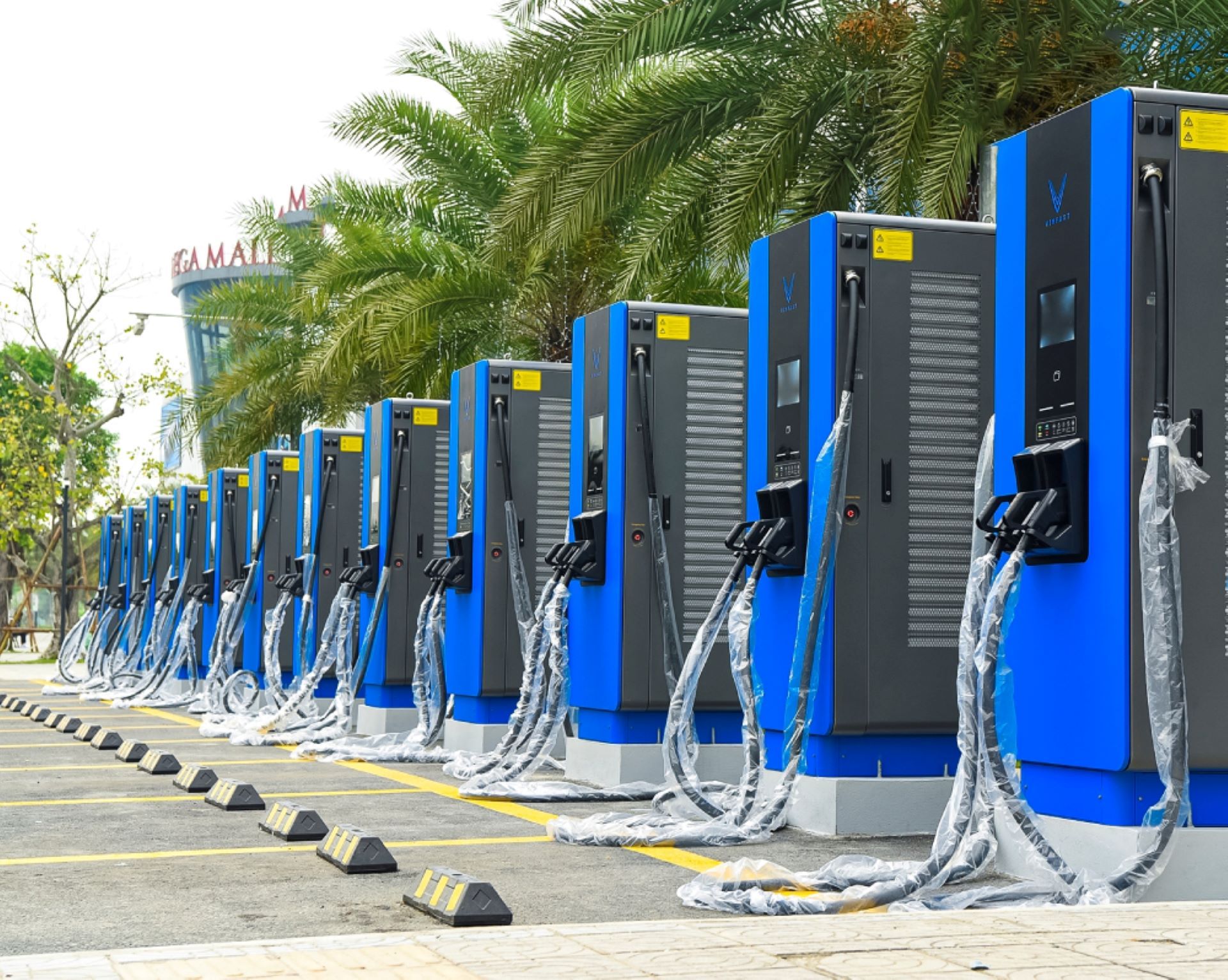
Philippines Proposes Significant Increase in EV Infrastructure Budget for 2027
The Philippine government plans to increase its electric vehicle (EV) infrastructure budget by over…
3h ago
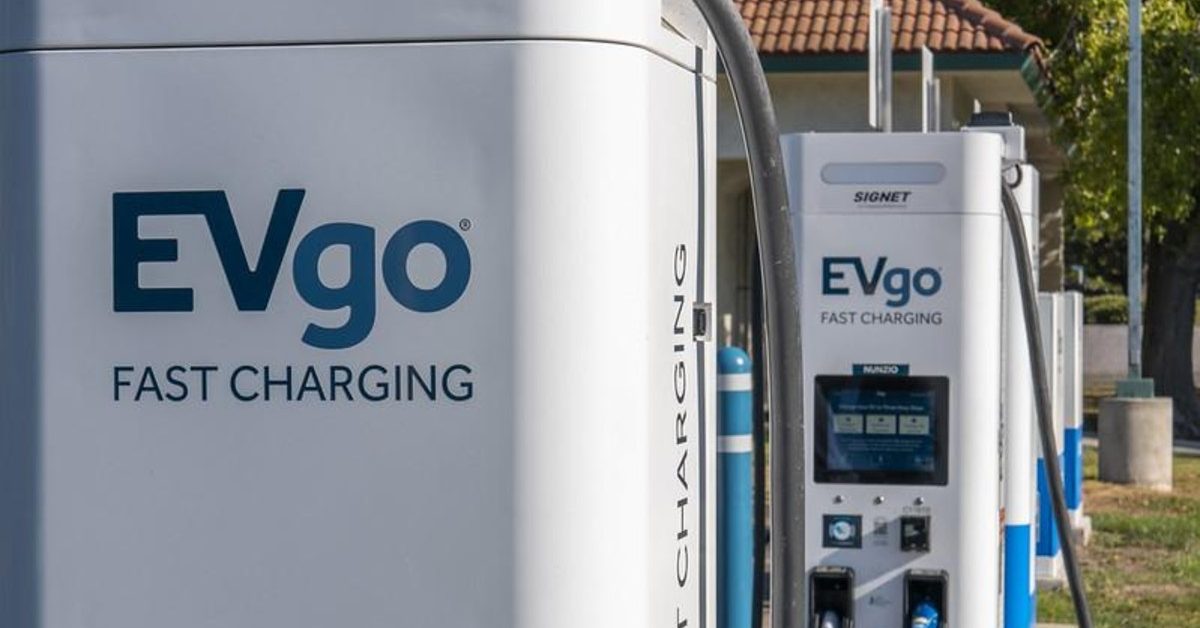
EVgo to Launch 750 kW Charging System in 2027
EVgo has announced plans to introduce a new DC fast charging system capable of delivering up to 750…
3h ago