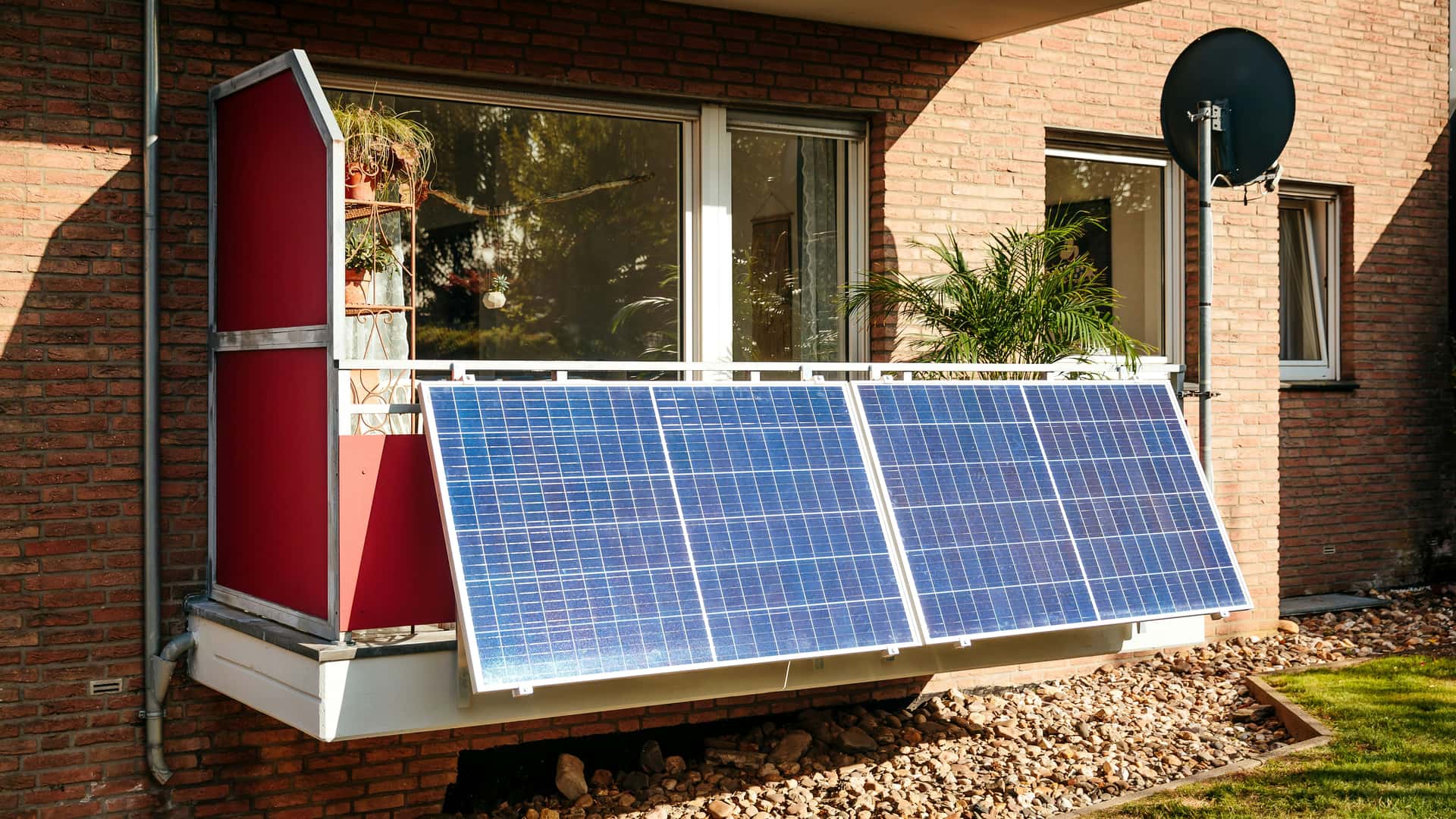
New Jersey Legalizes Plug-In Balcony Solar Panels for Residents
Updated September 3, 2026
3 min read
1 linked source
New Jersey has enacted a law that prohibits landlords and local governments from blocking residents and tenants from installing plug-in solar panels on balconies. This change primarily affects renters and residents in multi-unit buildings, allowing them to harness solar energy for personal use. However, the law does not specify any requirements for installation or maintenance, leaving some details unclear.
Share this story
Why it matters
- ✓Increased access to renewable energy sources for renters, which can lower electricity costs.
- ✓Potential for EV owners to charge their vehicles using solar energy, reducing reliance on the grid.
- ✓Encourages the adoption of sustainable practices among residents, contributing to a greener environment.
Reporting notes
EV Signal briefs are written to explain the verified change first, then add the context EV buyers and owners need to understand cost, availability, charging access, eligibility, or ownership impact.
If details are still developing, we try to say what is confirmed, what comes from secondary reporting, and what readers should verify before acting.
Source mix
1 linked source
1 media
Reviewed from: InsideEVs.
New Jersey Legalizes Plug-In Balcony Solar Panels for Residents
New Jersey has officially passed a law that allows residents and tenants to install plug-in solar panels on their balconies without interference from landlords or local governments. This significant change aims to empower individuals living in multi-unit dwellings to take advantage of solar energy, promoting sustainability and energy independence.
What Changed
Under the new legislation, landlords and local governments can no longer block the installation of plug-in solar panels by residents. This law is particularly beneficial for renters who may have previously faced restrictions on making modifications to their living spaces. The law specifically addresses the growing demand for renewable energy solutions among urban dwellers, who often lack access to traditional rooftop solar installations.
Why It Matters for Buyers and Owners
This legislative change has several implications for electric vehicle (EV) buyers and owners:
- Increased Access to Renewable Energy: Renters can now harness solar energy, potentially lowering their electricity bills and providing a more sustainable energy source for their homes.
- Charging Options for EV Owners: With the ability to install solar panels, residents can generate their own electricity, which could be used to charge electric vehicles, reducing reliance on the grid and further lowering energy costs.
- Encouragement of Sustainable Practices: The law promotes the adoption of renewable energy solutions among residents, contributing to broader environmental goals and encouraging a shift towards greener living.
Key Details from Source Material
According to InsideEVs, the law removes barriers that previously prevented residents from installing plug-in solar panels. This means that individuals living in apartments or condos can now take steps to utilize solar energy without needing approval from property owners or local authorities. However, the law does not outline specific installation or maintenance requirements, which leaves some aspects of implementation open to interpretation.
What to Watch Next
As this law is implemented, it will be important to monitor how local governments and landlords respond to these changes. Specific guidelines regarding the installation and maintenance of plug-in solar panels may emerge, which could clarify any uncertainties. Additionally, tracking the adoption rate of these solar panels among residents will provide insight into the law's impact on energy consumption and sustainability efforts in New Jersey.
Overall, this legislative change marks a step forward in promoting renewable energy access for all residents, particularly those in rental situations, and could significantly influence the way EV owners charge their vehicles in the future.
Sources
These are the documents and reports used to build this brief so readers can verify the story directly.
Comments
Log in with
Loading comments…
More in Ownership
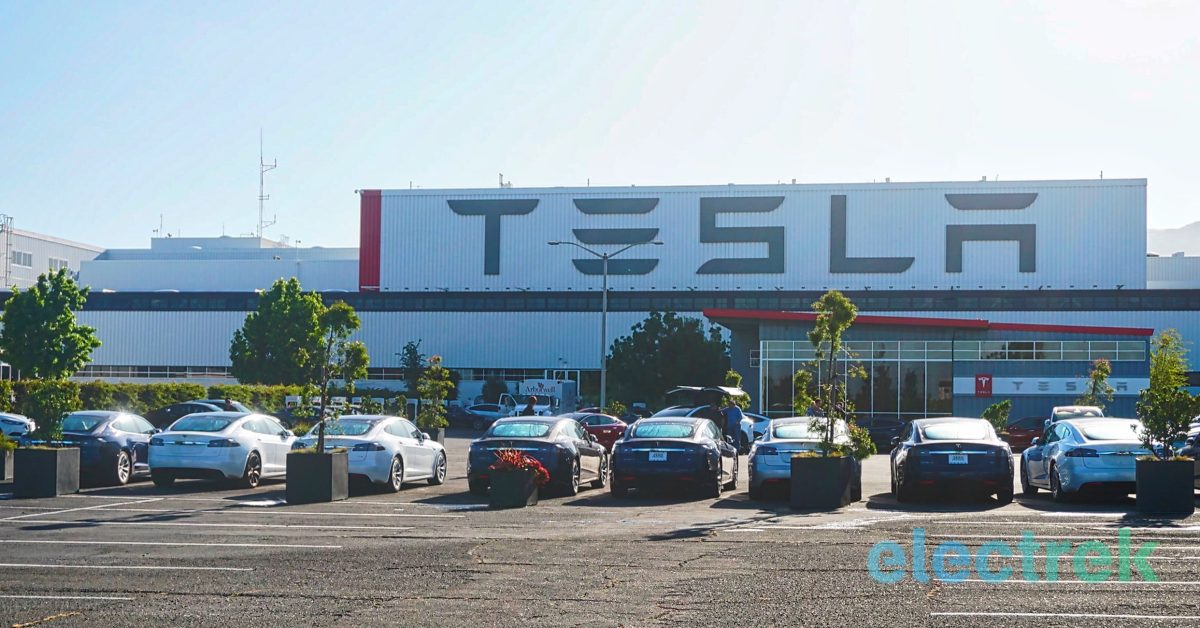
Tesla's Lawyers Misled Witness in Racism Trial
Tesla's ongoing racism trial in California has faced significant setbacks as it was revealed that a…
18h ago

Rivian R2 Faces First Recall Due to Camera Issue
Rivian has issued a recall affecting nearly 99,000 vehicles, including some of its new R2 models,…
18h ago
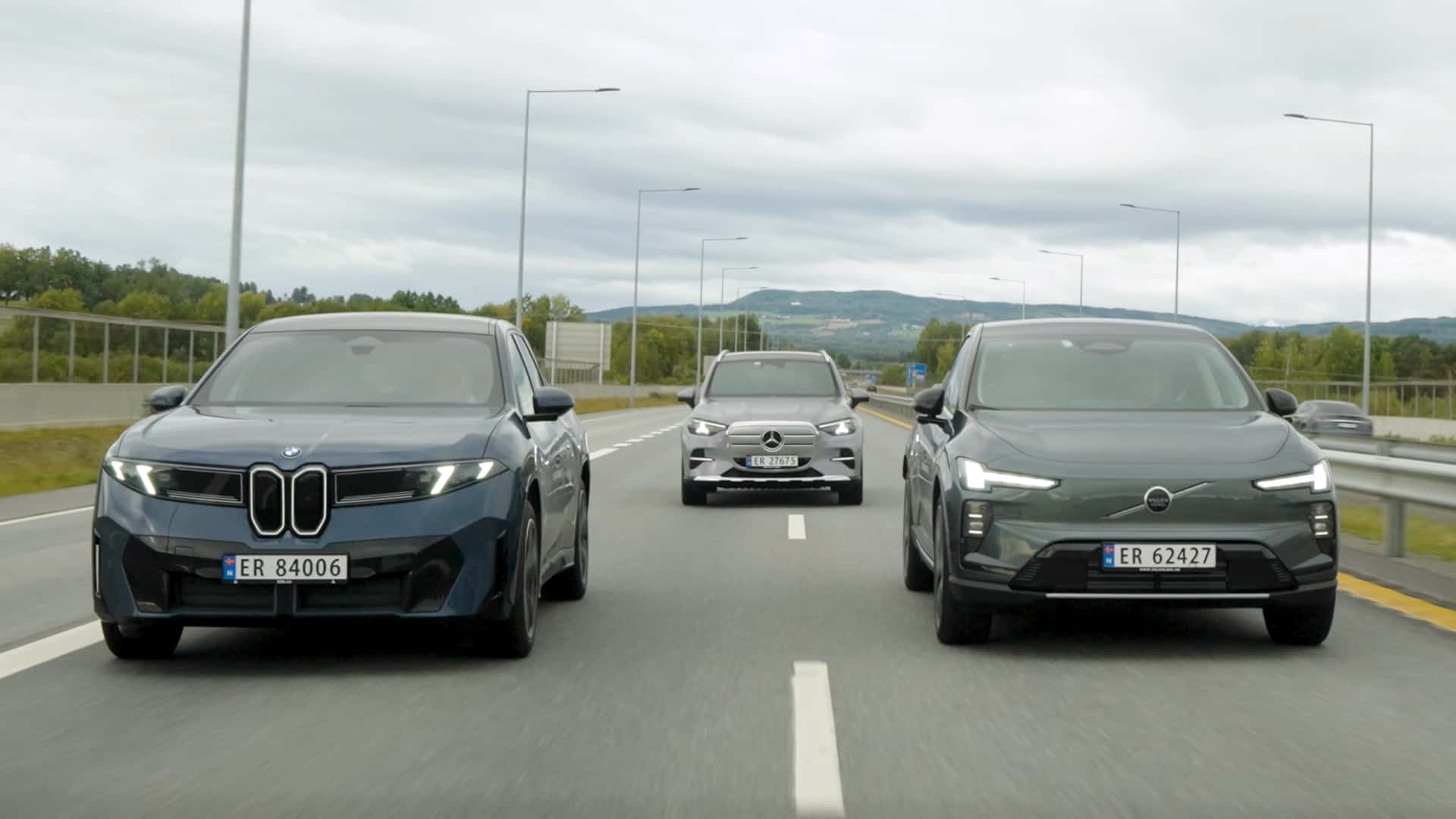
BMW iX3 Outperforms Mercedes GLC and Volvo EX60 in Highway Efficiency Test
In a recent highway test, the BMW iX3 demonstrated superior energy efficiency and range compared to…
1d ago
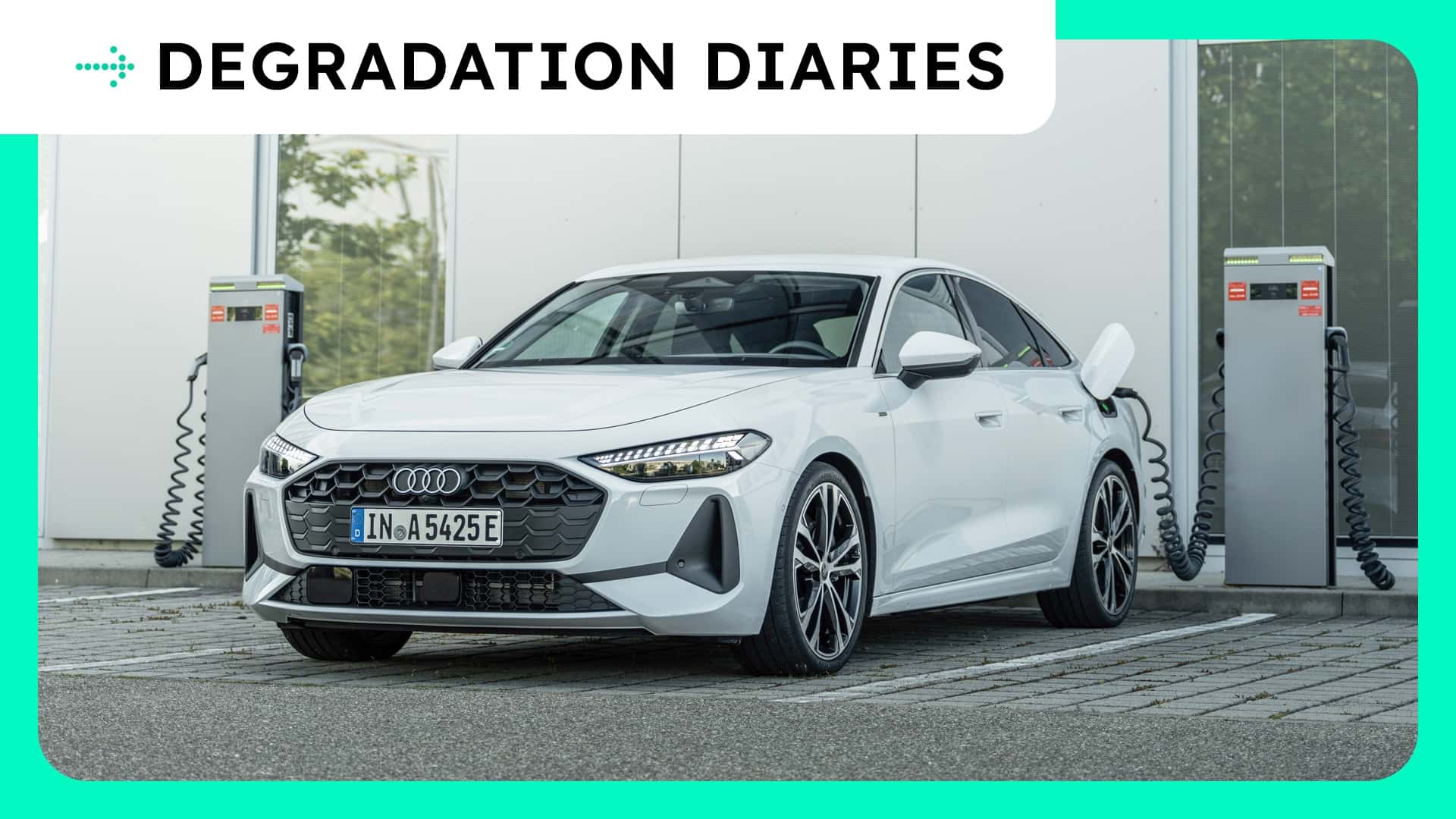
PHEV Batteries Show Resilience Despite Frequent Cycling
Plug-in hybrid electric vehicles (PHEVs) experience more frequent battery cycling than fully…
1d ago