
New Jersey Bill Targets Tesla's Camera-Only Robotaxi
Updated July 9, 2026
3 min read
1 linked source
New Jersey lawmakers are advancing a bill that would ban Tesla's camera-only Robotaxi from operating in the state. The proposed legislation, S1677, mandates that driverless commercial vehicles must be equipped with cameras and two additional sensor types, which Tesla's current technology does not include. This could significantly impact Tesla's ability to operate in one of the most densely populated states in the U.S.
Share this story
Why it matters
- ✓Tesla owners may face limitations on the use of their vehicles in New Jersey if the bill passes.
- ✓The requirement for additional sensors could increase the cost of future Tesla models if they are forced to adapt to meet these regulations.
- ✓This legislation could create a competitive advantage for companies like Waymo that already utilize multiple sensor types.
Reporting notes
EV Signal briefs are written to explain the verified change first, then add the context EV buyers and owners need to understand cost, availability, charging access, eligibility, or ownership impact.
If details are still developing, we try to say what is confirmed, what comes from secondary reporting, and what readers should verify before acting.
Source mix
1 linked source
1 media
Reviewed from: Electrek.
New Jersey Bill Targets Tesla's Camera-Only Robotaxi
New Jersey lawmakers are advancing a bill that would effectively ban Tesla's camera-only Robotaxi from operating in the state. The proposed legislation, known as S1677, requires that all driverless commercial vehicles be equipped with cameras as well as two additional sensor types, such as radar and lidar. This requirement poses a significant challenge for Tesla, whose current technology relies solely on cameras for its autonomous driving capabilities.
What Changed
The introduction of bill S1677 signifies a shift in regulatory expectations for autonomous vehicles in New Jersey. If passed, the law would prevent Tesla from deploying its Robotaxi service in the state unless it incorporates additional sensor technologies that CEO Elon Musk has long argued are unnecessary. This could effectively lock Tesla out of one of the most densely populated states in the U.S., limiting its market access and operational capabilities.
Why It Matters for Buyers and Owners
- Operational Limitations: Tesla owners in New Jersey may find that their vehicles cannot be used for commercial robotaxi services, limiting their options for monetizing their vehicles.
- Increased Costs: If Tesla is required to add radar and lidar to comply with the new regulations, this could lead to increased production costs, which may be passed on to consumers in the form of higher vehicle prices.
- Competitive Landscape: The bill could provide a competitive edge to companies like Waymo, which already utilize a multi-sensor approach in their autonomous vehicles, potentially leading to greater market share in New Jersey.
Key Details from Source Material
According to Electrek, the bill is currently advancing through the New Jersey legislature. The requirement for additional sensor types is in direct contrast to Tesla's current approach, which relies heavily on its camera-based system. Musk has consistently maintained that his vehicles can achieve full autonomy without the need for radar or lidar, a stance that could now be challenged by state regulations.
What to Watch Next
As the bill progresses, it will be important to monitor its status and any potential amendments that could affect its final form. Stakeholders, including Tesla and other autonomous vehicle companies, may lobby for changes to the legislation. Additionally, the response from the public and industry experts could influence the bill's outcome and its implications for the future of autonomous vehicles in New Jersey and beyond.
In summary, the advancement of this bill could reshape the landscape for autonomous vehicle operations in New Jersey, particularly for Tesla, and may prompt broader discussions about the regulatory framework surrounding autonomous technology.
Sources
These are the documents and reports used to build this brief so readers can verify the story directly.
- New bill would ban Tesla’s camera-only Robotaxi, not Waymo — ElectrekMEDIA
Comments
Log in with
Loading comments…
More in Models & Pricing
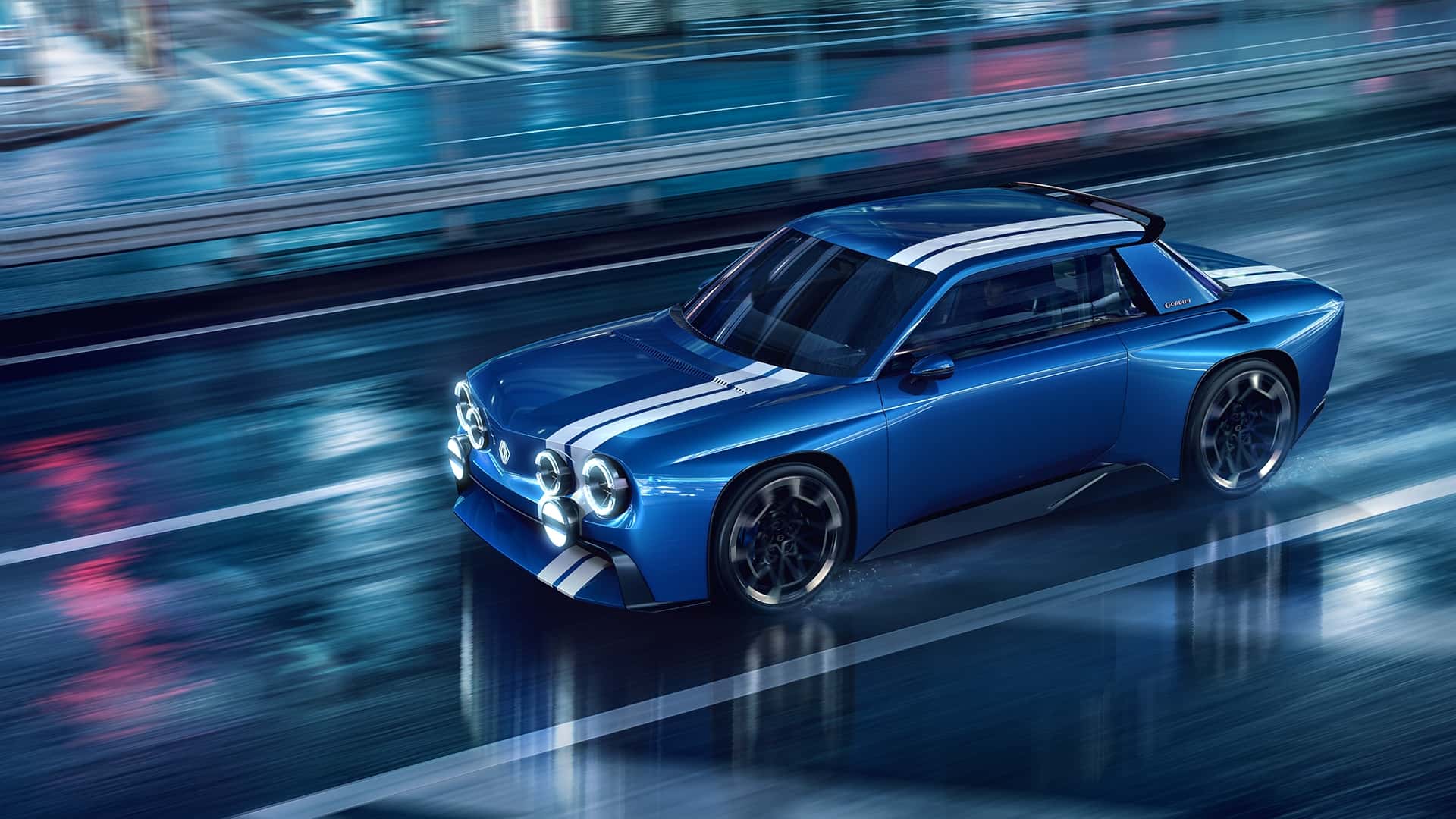
Renault 8 Gordini Returns as Rear-Wheel Drive EV
Renault has unveiled the return of the iconic Renault 8 Gordini as a rear-wheel drive electric…
Just now
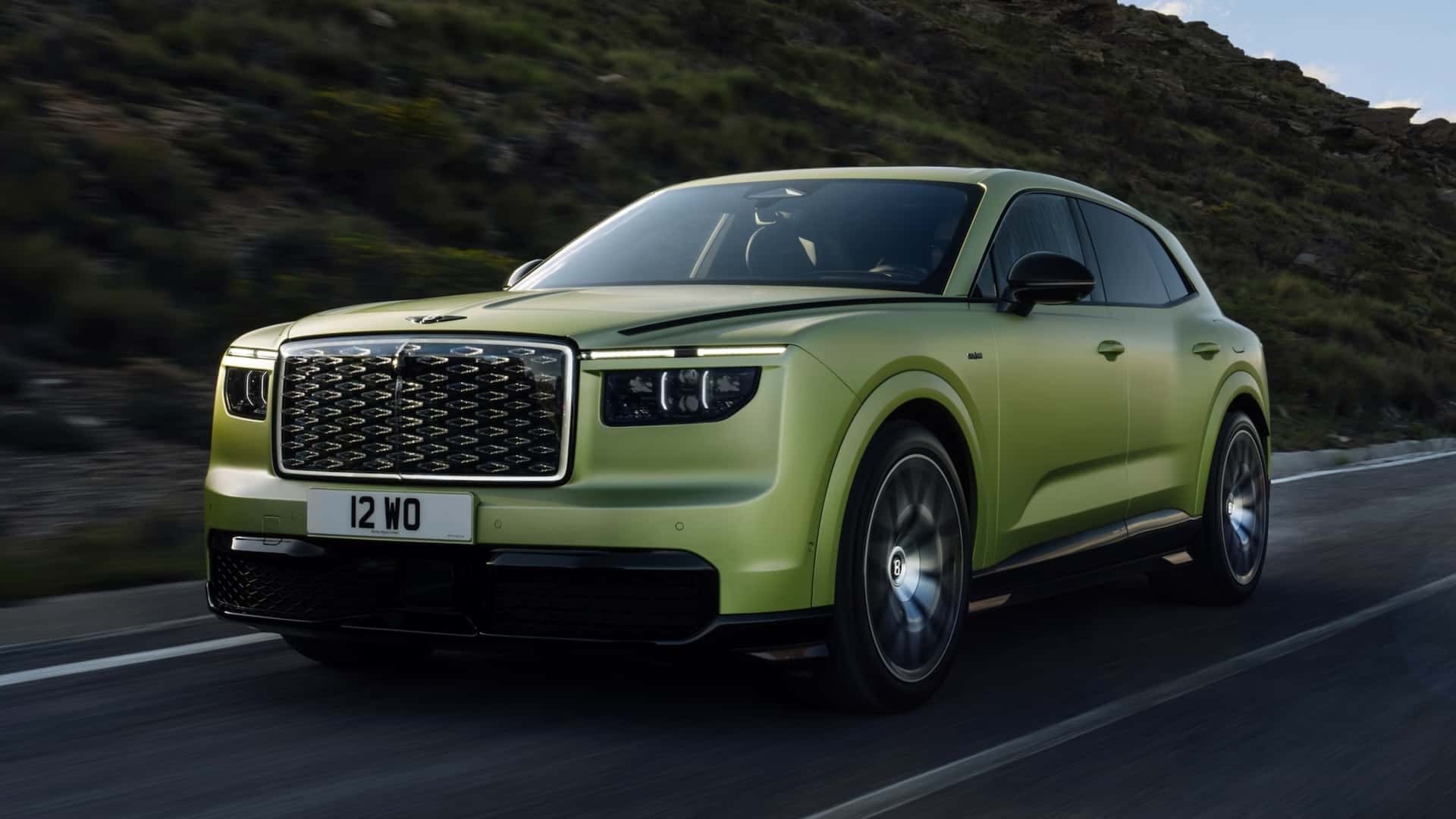
Bentley's First EV, the Torcal, Offers Rapid Charging Capabilities
Bentley has launched its first electric vehicle, the Torcal, a midsize SUV that boasts rapid…
12h ago
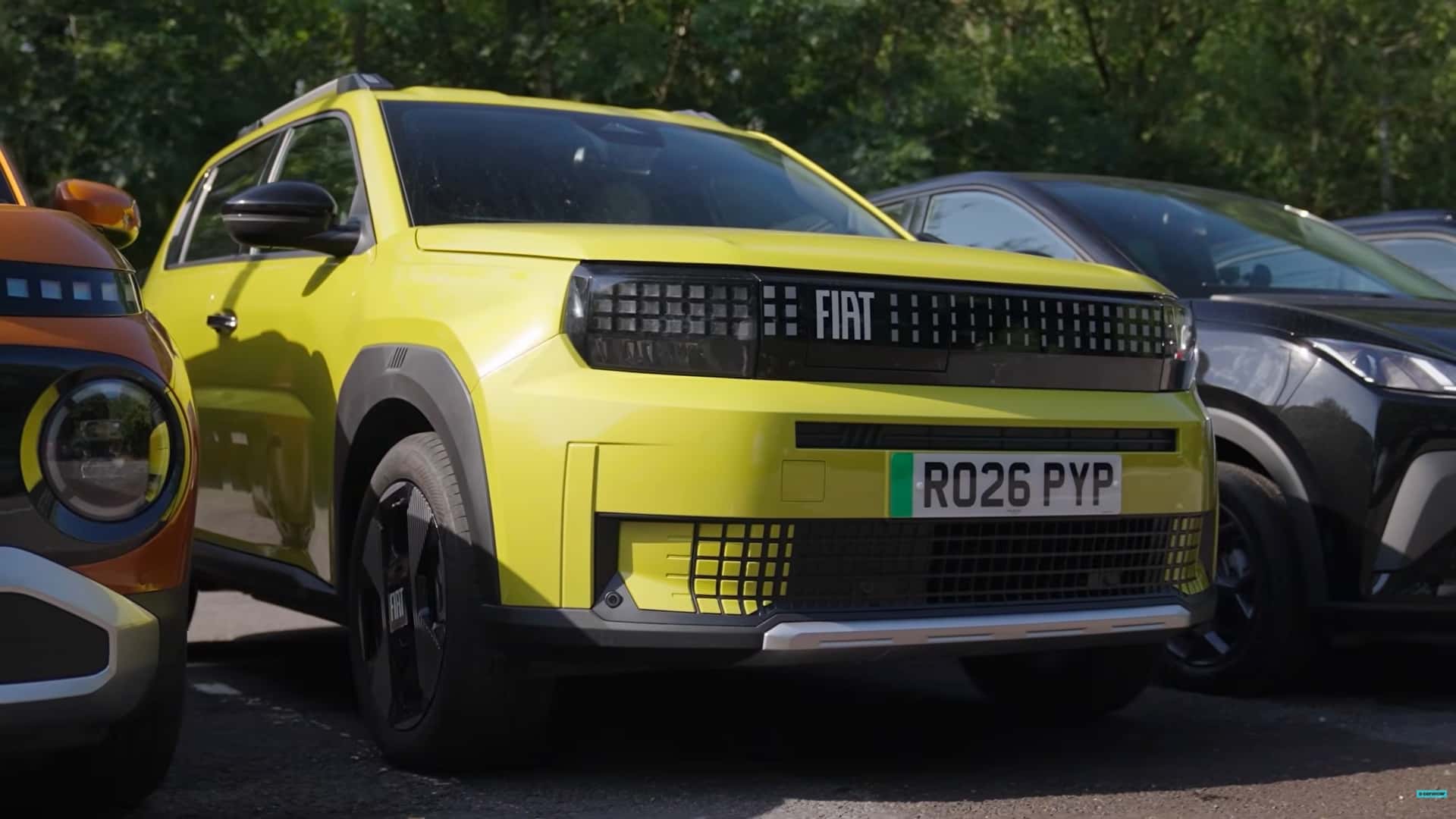
Fiat Grande Panda Outperforms Claimed Range in Real-World Test
In a recent highway range test, the Fiat Grande Panda exceeded its officially claimed range,…
12h ago
Bentley Launches Torcal, Its First All-Electric SUV
Bentley has officially unveiled the Torcal, marking its entry into the electric vehicle market.…
12h ago