
New EV Fee Proposals Charge Owners Significantly More Than Gas Drivers
Updated March 29, 2026
3 min read
1 linked source
Several states and federal lawmakers are proposing annual fees for electric vehicle (EV) owners ranging from $200 to $250. These fees are two to three times higher than what the average gasoline vehicle driver pays in federal fuel tax, raising concerns about their fairness and impact on EV adoption. The proposals are presented as a means to fund road infrastructure, but critics argue they unfairly penalize EV owners while failing to equitably distribute road costs.
Share this story
Why it matters
- ✓EV owners may face increased financial burdens due to higher fees compared to gas vehicle drivers.
- ✓Such fees could discourage potential buyers from adopting electric vehicles, undermining efforts to promote cleaner transportation.
- ✓The proposals may reflect a misunderstanding of the benefits EVs provide to society, including reduced emissions and energy security.
Reporting notes
EV Signal briefs are written to explain the verified change first, then add the context EV buyers and owners need to understand cost, availability, charging access, eligibility, or ownership impact.
If details are still developing, we try to say what is confirmed, what comes from secondary reporting, and what readers should verify before acting.
Source mix
1 linked source
1 media
Reviewed from: Electrek.
New EV Fee Proposals Charge Owners Significantly More Than Gas Drivers
A growing trend among state and federal lawmakers is the introduction of flat annual fees for electric vehicle (EV) owners, which could range from $200 to $250. These proposed fees are notably higher than the federal fuel tax paid by the average gasoline vehicle driver, which raises significant concerns about fairness and the potential impact on EV adoption.
The Proposed Fees
The proposed fees, which are being framed as necessary measures to fund road infrastructure, have sparked a heated debate among policymakers, environmental advocates, and the automotive industry. Currently, EVs account for approximately 10% of new car sales in the United States, and proponents of electric vehicles argue that these fees could discourage further adoption at a critical time for the transition to cleaner transportation.
Disparity in Taxation
The average gas vehicle driver pays significantly less in federal fuel tax compared to what these new proposals would impose on EV owners. This disparity raises questions about the rationale behind such fees. Critics argue that instead of promoting equitable road funding, these blanket fees could be seen as punitive measures aimed at discouraging the adoption of electric vehicles.
The Rationale Behind the Fees
Supporters of the fees argue that they are necessary to maintain and improve road infrastructure, which is often funded by fuel taxes. However, the math behind these proposals does not seem to align with the benefits that EVs provide. Electric vehicles contribute to reduced emissions, improved air quality, and enhanced energy security, all of which have significant societal benefits.
Implications for EV Owners
The proposed fees could have several implications for current and prospective EV owners:
-
Increased Financial Burden: EV owners would face an additional financial burden due to these higher fees compared to their gasoline counterparts. This could deter potential buyers from making the switch to electric vehicles.
-
Discouragement of Adoption: As EVs are still gaining traction in the market, imposing higher fees could slow down the momentum of EV adoption, undermining efforts to promote cleaner transportation options.
-
Misunderstanding of EV Benefits: The proposals may reflect a lack of understanding regarding the broader benefits that electric vehicles provide, including reduced greenhouse gas emissions and lower overall operating costs for owners.
Conclusion
As the automotive landscape continues to shift towards electrification, the introduction of higher fees for electric vehicle owners raises critical questions about fairness and the future of EV adoption. While funding for road infrastructure is undoubtedly important, policymakers must consider the implications of these fees on the growing EV market and the societal benefits that come with it. As discussions continue, it will be essential for stakeholders to engage in a dialogue that balances the need for infrastructure funding with the promotion of sustainable transportation solutions.
Sources
These are the documents and reports used to build this brief so readers can verify the story directly.
Comments
Log in with
Loading comments…
More in Ownership
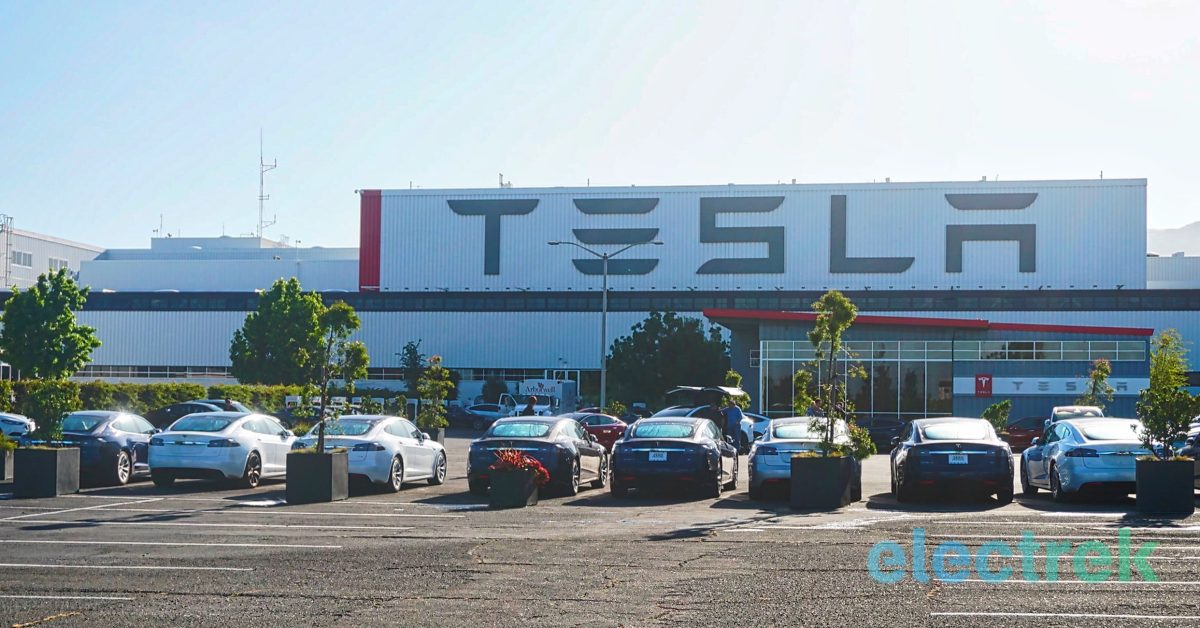
Tesla's Lawyers Misled Witness in Racism Trial
Tesla's ongoing racism trial in California has faced significant setbacks as it was revealed that a…
18h ago

Rivian R2 Faces First Recall Due to Camera Issue
Rivian has issued a recall affecting nearly 99,000 vehicles, including some of its new R2 models,…
18h ago
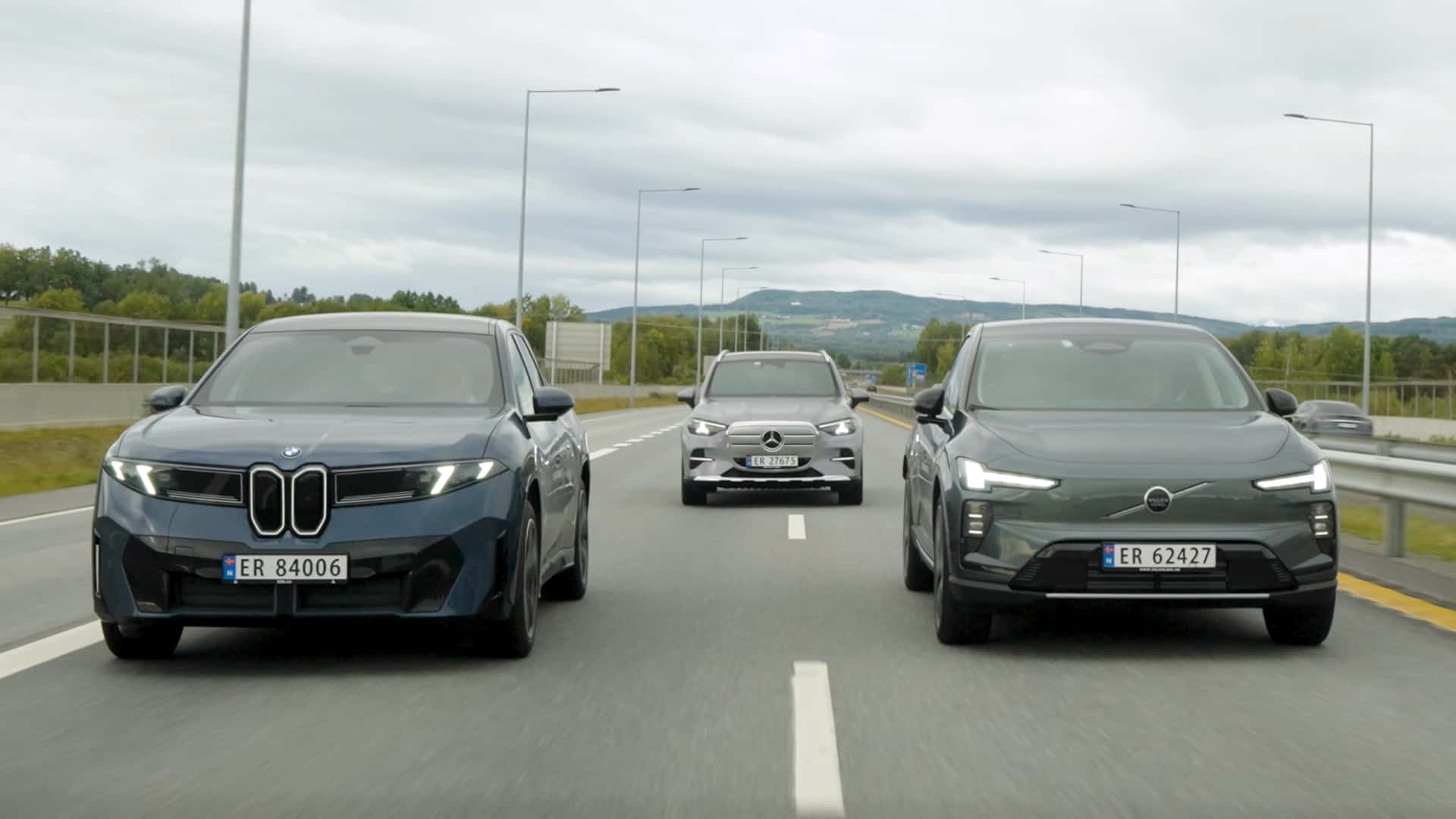
BMW iX3 Outperforms Mercedes GLC and Volvo EX60 in Highway Efficiency Test
In a recent highway test, the BMW iX3 demonstrated superior energy efficiency and range compared to…
1d ago
PHEV Batteries Show Resilience Despite Frequent Cycling
Plug-in hybrid electric vehicles (PHEVs) experience more frequent battery cycling than fully…
1d ago