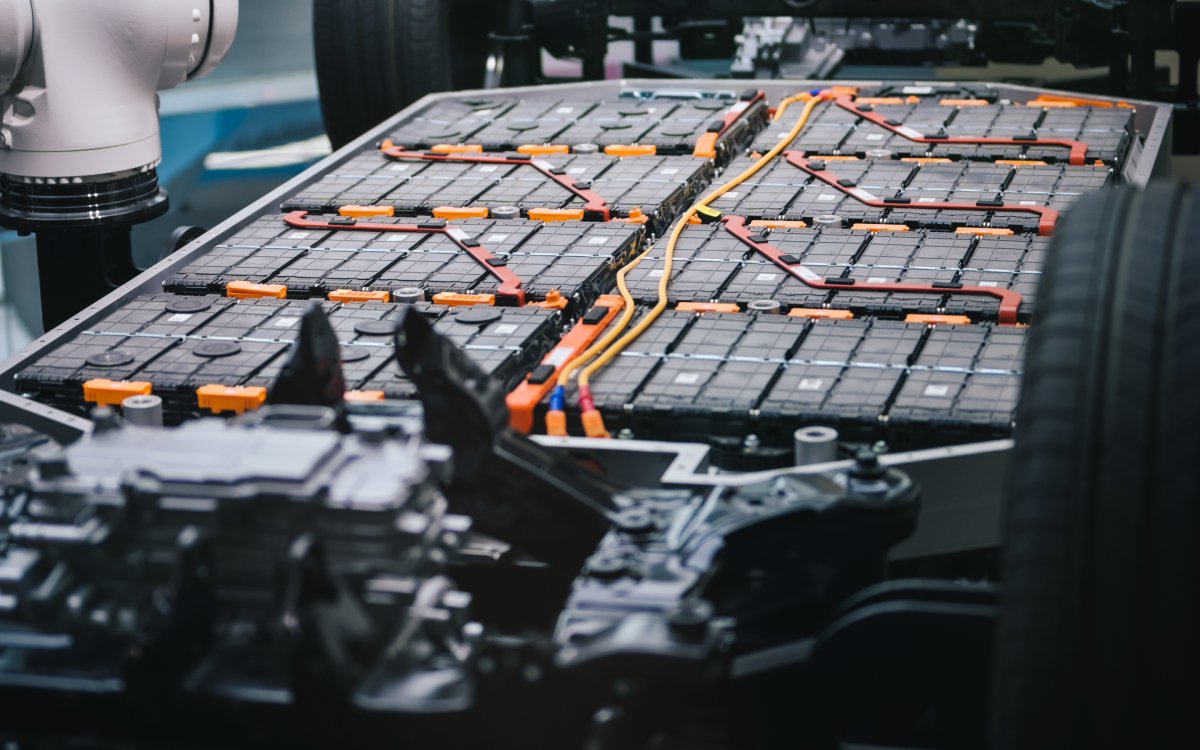
New EV Battery Recovery Program Launched in Canada

Edited by Ionna Brakeley
Charging & Ownership
Updated September 25, 2026
3 min read
1 linked source
A new program led by original equipment manufacturers (OEMs) in Canada aims to connect battery holders with safe and compliant pathways for recycling, repurposing, or disposal of electric vehicle (EV) batteries. This initiative is designed to enhance the sustainability of EVs and ensure responsible battery management. However, specific details regarding eligibility and implementation are still emerging.
Share this story
Why it matters
- ✓Provides EV owners with accessible options for battery disposal and recycling, potentially reducing environmental impact.
- ✓Encourages responsible battery management, which could influence future EV ownership costs and sustainability practices.
- ✓May enhance the overall lifecycle management of EVs, leading to better resale values and reduced waste.
New EV Battery Recovery Program Launched in Canada
A new program led by original equipment manufacturers (OEMs) in Canada aims to connect battery holders with safe and compliant pathways for recycling, repurposing, or disposal of electric vehicle (EV) batteries. This initiative is part of a broader effort to enhance the sustainability of electric vehicles and ensure responsible management of battery waste.
What Changed
The EV Battery Recovery program is designed to facilitate the proper handling of EV batteries at the end of their life cycle. By connecting battery holders with established recovery pathways, the program seeks to streamline the process of recycling and repurposing batteries, thereby addressing a significant environmental concern associated with the growing number of EVs on the road.
Why It Matters for Buyers/Owners
- Sustainable Options: The program provides EV owners with accessible options for battery disposal and recycling, which can help reduce the environmental impact of battery waste.
- Future Ownership Costs: By encouraging responsible battery management, the program could influence future EV ownership costs and sustainability practices, potentially leading to lower costs over the vehicle's life cycle.
- Lifecycle Management: Improved lifecycle management of EV batteries may enhance resale values and reduce waste, making EV ownership more appealing.
Key Details from Source Material
According to the article from Electric Autonomy Canada, the program is OEM-led and aims to connect battery holders across Canada with safe and compliant recovery pathways. This initiative is crucial as the number of EVs continues to rise, leading to an increased need for effective battery management solutions. The program focuses on recycling, repurposing, or safe disposal of batteries, which is essential for minimizing the environmental footprint of electric vehicles.
What to Watch Next
As the program is still in its early stages, further details regarding eligibility, specific recovery pathways, and implementation timelines are expected to emerge. Stakeholders in the EV industry, including manufacturers and environmental organizations, will likely provide updates as the program develops. EV owners should stay informed about these updates to take full advantage of the resources available for battery recovery and recycling.
Sources
These are the documents and reports used to build this brief so readers can verify the story directly.
- Inside the EV Battery Recovery program: How it works — Electric Autonomy CanadaMEDIA
Reporting notes
EV Signal briefs are written to explain the verified change first, then add the context EV buyers and owners need to understand cost, availability, charging access, eligibility, or ownership impact.
If details are still developing, we try to say what is confirmed, what comes from secondary reporting, and what readers should verify before acting.
Source mix
1 linked source
1 media
Reviewed from: Electric Autonomy Canada.
Comments
Log in with
Loading comments…
More in Ownership

Importance of Inductor Efficiency in Power Supply Design for EVs
Improving inductor efficiency is crucial for battery-powered applications, particularly in electric…
1h ago

Lucid Motors Partners with Bolt for Potential Robotaxi Service in Europe
Lucid Motors has announced a partnership with the mobility platform Bolt to explore the potential…
1h ago
LA Metro Approves Purchase of 220 Battery-Electric Transit Buses
LA Metro has approved the acquisition of 220 new battery-electric buses, marking one of the largest…
1h ago

Boring Co. to Build 30-Minute Austin to San Antonio Tunnel
Elon Musk has announced that The Boring Company is developing a high-speed underground transit link…
1h ago