
New E-Bike Law in Canada May Legalize Current Scofflaws
Updated June 9, 2026
3 min read
1 linked source
A new e-bike law in Canada aims to address the growing issue of e-bike riders, particularly parents transporting their children to school. This change could potentially legalize many current riders who have been operating outside the law. However, specific details about the law's provisions and limitations are still pending.
Share this story
Why it matters
- ✓Legalizing e-bikes may encourage more families to adopt electric mobility solutions, reducing reliance on cars.
- ✓This could lead to increased demand for e-bikes, impacting pricing and availability in the market.
- ✓Clarification on the law's regulations may affect how e-bike owners use their vehicles in urban settings.
Reporting notes
EV Signal briefs are written to explain the verified change first, then add the context EV buyers and owners need to understand cost, availability, charging access, eligibility, or ownership impact.
If details are still developing, we try to say what is confirmed, what comes from secondary reporting, and what readers should verify before acting.
Source mix
1 linked source
1 media
Reviewed from: Electrek.
New E-Bike Law in Canada May Legalize Current Scofflaws
A new e-bike law in Canada is on the horizon, potentially legalizing many riders who have been operating outside the law. This initiative primarily targets the issue of e-bike riders, particularly parents who are currently using e-bikes to transport their children to school. As the law stands, many of these riders are considered scofflaws due to existing regulations that restrict e-bike use in certain areas.
What Changed
The proposed legislation aims to address the growing concern of e-bike riders, especially in urban areas where traditional transportation methods are often impractical. The law is expected to provide clearer guidelines on where and how e-bikes can be used, which could significantly impact the current landscape of e-bike ownership and usage in Canada. While the specifics of the law are still being finalized, it is clear that the intent is to create a more accommodating environment for e-bike users.
Why It Matters for Buyers and Owners
- Encouragement of Electric Mobility: By legalizing e-bikes for more users, the law may encourage families to adopt electric mobility solutions, thereby reducing reliance on cars for short trips, such as school runs.
- Market Impact: The potential increase in demand for e-bikes could influence pricing and availability, making them more accessible to a broader audience.
- Usage Regulations: Understanding the new regulations will be crucial for current and prospective e-bike owners, as it will dictate how they can use their vehicles in urban settings.
Key Details from Source Material
According to Electrek, the issue of e-bike scofflaws has become more pronounced in recent years, with many riders, particularly parents, seeking alternatives to driving their children to school. The proposed law aims to differentiate between reckless riders and those simply trying to navigate their daily lives more sustainably. While the specifics of the law are still being developed, the intent is clear: to create a legal framework that supports responsible e-bike use.
What to Watch Next
As the details of the new e-bike law are finalized, stakeholders in the e-bike market, including manufacturers, retailers, and consumers, should keep an eye on the legislative process. Updates on the law's provisions, including any limitations or specific regulations, will be crucial for understanding how it will affect current and future e-bike owners. Additionally, monitoring public response and any potential amendments to the law will provide insight into its practical implications for everyday users.
Sources
These are the documents and reports used to build this brief so readers can verify the story directly.
Comments
Log in with
Loading comments…
More in Ownership
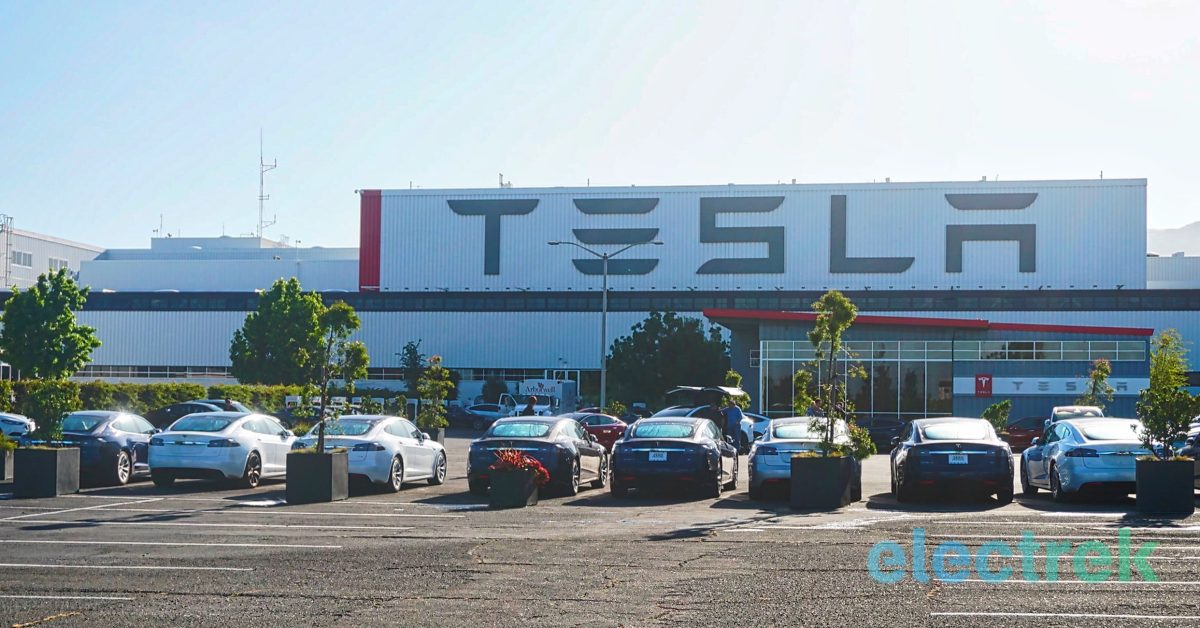
Tesla's Lawyers Misled Witness in Racism Trial
Tesla's ongoing racism trial in California has faced significant setbacks as it was revealed that a…
18h ago
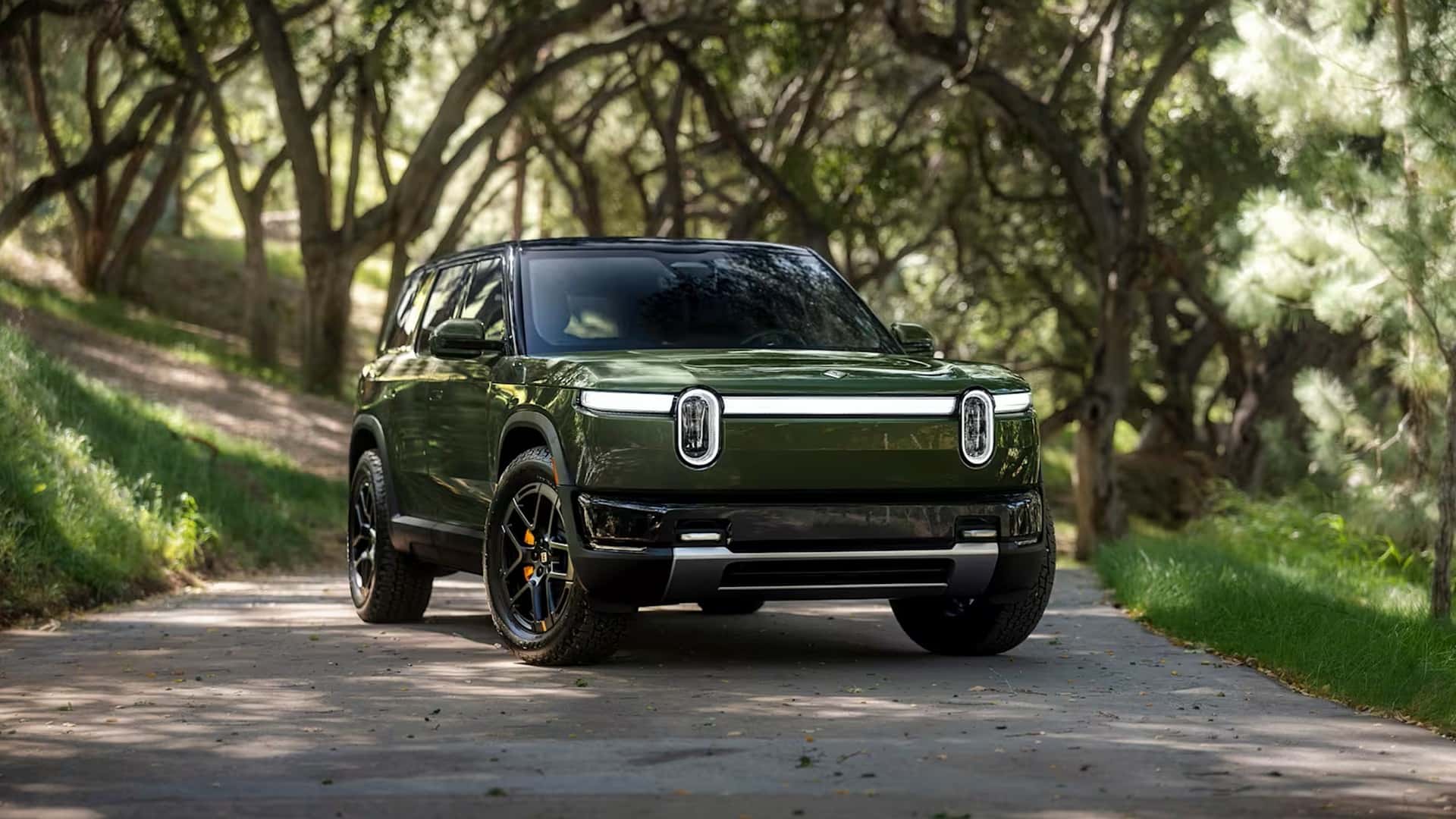
Rivian R2 Faces First Recall Due to Camera Issue
Rivian has issued a recall affecting nearly 99,000 vehicles, including some of its new R2 models,…
18h ago
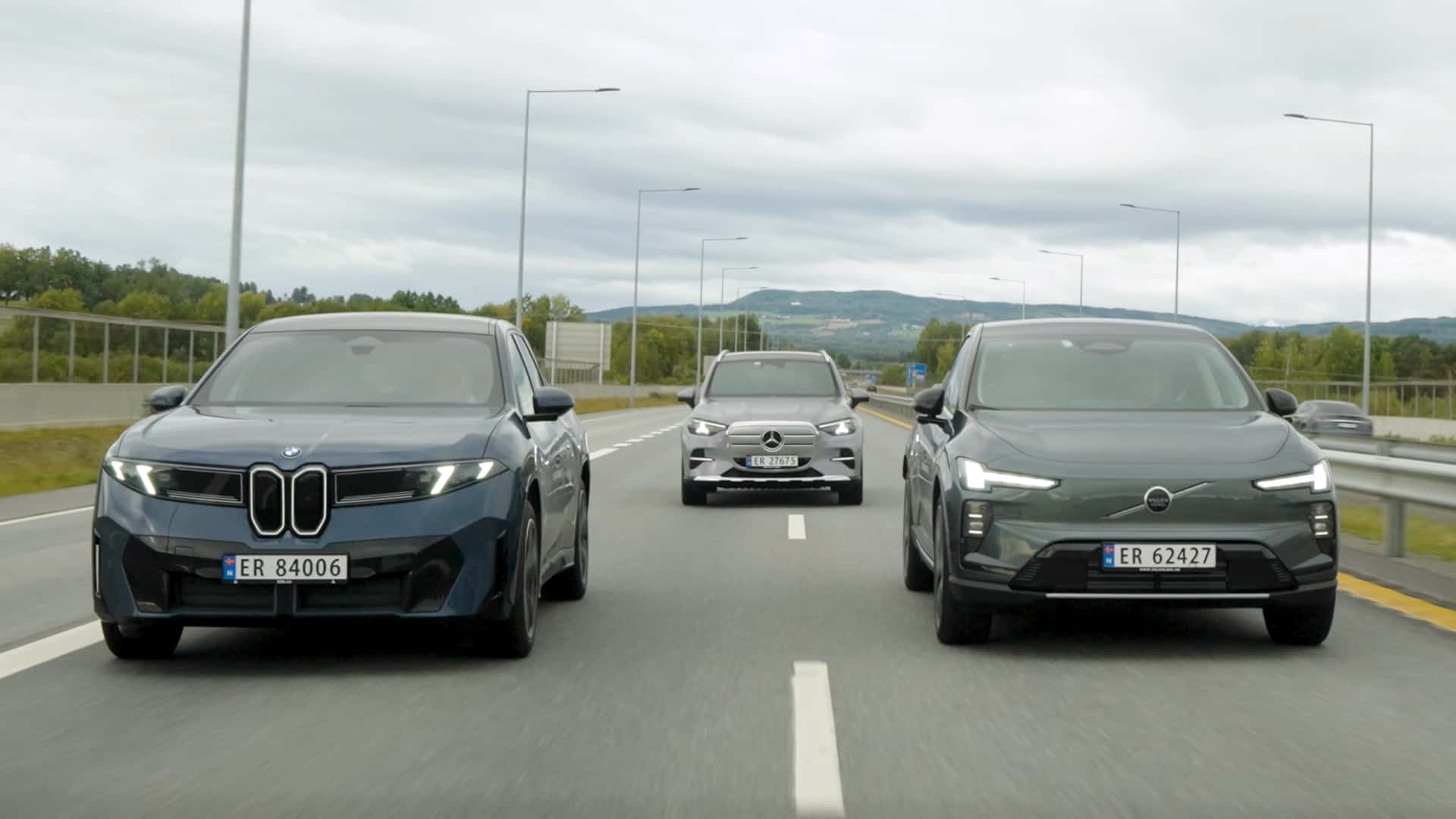
BMW iX3 Outperforms Mercedes GLC and Volvo EX60 in Highway Efficiency Test
In a recent highway test, the BMW iX3 demonstrated superior energy efficiency and range compared to…
1d ago
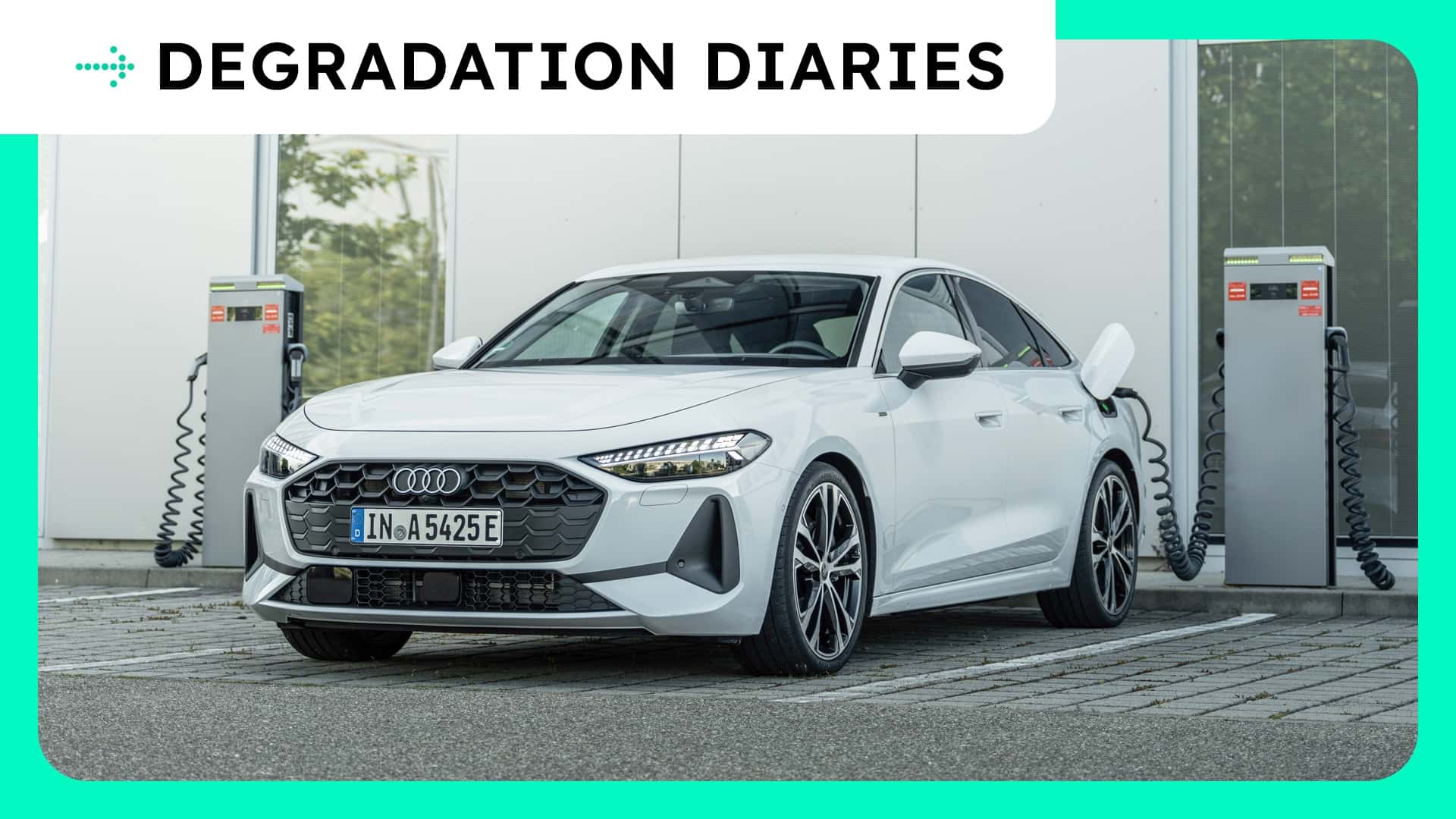
PHEV Batteries Show Resilience Despite Frequent Cycling
Plug-in hybrid electric vehicles (PHEVs) experience more frequent battery cycling than fully…
1d ago