
New American Battery Technology Aims to Reduce Dependence on Chinese Supply Chains
Updated August 29, 2026
3 min read
1 linked source
A new type of lithium metal battery, which does not require graphite, is being developed in the U.S. This innovation could potentially lessen the reliance on Chinese materials in the EV supply chain, impacting manufacturers and consumers alike. However, the technology is still in its early stages and not yet widely available.
Share this story
Why it matters
- ✓If successful, this battery technology could lead to lower production costs for EVs, potentially reducing prices for consumers.
- ✓Greater domestic battery production may enhance supply chain stability, improving availability of EVs in the market.
- ✓Reduced reliance on foreign materials could lead to more sustainable and ethical sourcing practices.
Reporting notes
EV Signal briefs are written to explain the verified change first, then add the context EV buyers and owners need to understand cost, availability, charging access, eligibility, or ownership impact.
If details are still developing, we try to say what is confirmed, what comes from secondary reporting, and what readers should verify before acting.
Source mix
1 linked source
1 media
Reviewed from: InsideEVs.
New American Battery Technology Aims to Reduce Dependence on Chinese Supply Chains
A significant development in battery technology could reshape the electric vehicle (EV) landscape in the United States. Researchers are working on a new type of lithium metal battery that eliminates the need for graphite, a material predominantly sourced from China. This innovation could potentially break China's grip on the EV supply chain, providing a more sustainable and domestically sourced alternative for battery production.
What Changed
The introduction of a graphite-free lithium metal battery represents a pivotal shift in the EV battery market. Traditional lithium-ion batteries rely heavily on graphite, which is primarily mined and processed in China. The new battery technology aims to reduce this dependency, potentially allowing for a more localized supply chain and less vulnerability to international trade issues.
Why It Matters for Buyers and Owners
The implications of this new battery technology could be significant for EV buyers and owners:
- Cost Reduction: If this technology proves viable, it could lower production costs for EV manufacturers, which may translate to lower prices for consumers.
- Supply Chain Stability: A more robust domestic battery production capability could enhance the availability of EVs, reducing wait times and improving access for buyers.
- Sustainable Practices: By decreasing reliance on foreign materials, this innovation could promote more ethical and sustainable sourcing practices in the EV industry.
Key Details from Source Material
According to InsideEVs, the development of this battery technology is still in its early stages, and while it shows promise, it is not yet ready for mass production or commercial use. The shift to a graphite-free battery could represent a significant step forward in the quest for more efficient and sustainable EV technology. However, the timeline for widespread adoption remains uncertain, and further research and development are needed.
What to Watch Next
As this technology progresses, it will be essential to monitor its development closely. Key points to watch include:
- Research and Development Progress: Updates on the advancement of this battery technology and its readiness for commercial use.
- Partnerships and Investments: Any collaborations between manufacturers and research institutions that could accelerate the development process.
- Market Reactions: How EV manufacturers respond to this technology and its potential impact on their production strategies.
In conclusion, while the introduction of a graphite-free lithium metal battery presents exciting possibilities for the future of EVs, it is crucial to remain cautious about the timeline and practical implications of this technology. The potential benefits for consumers and the environment are significant, but the path to realization is still unfolding.
Sources
These are the documents and reports used to build this brief so readers can verify the story directly.
Comments
Log in with
Loading comments…
More in Ownership
Tesla's Lawyers Misled Witness in Racism Trial
Tesla's ongoing racism trial in California has faced significant setbacks as it was revealed that a…
18h ago

Rivian R2 Faces First Recall Due to Camera Issue
Rivian has issued a recall affecting nearly 99,000 vehicles, including some of its new R2 models,…
18h ago
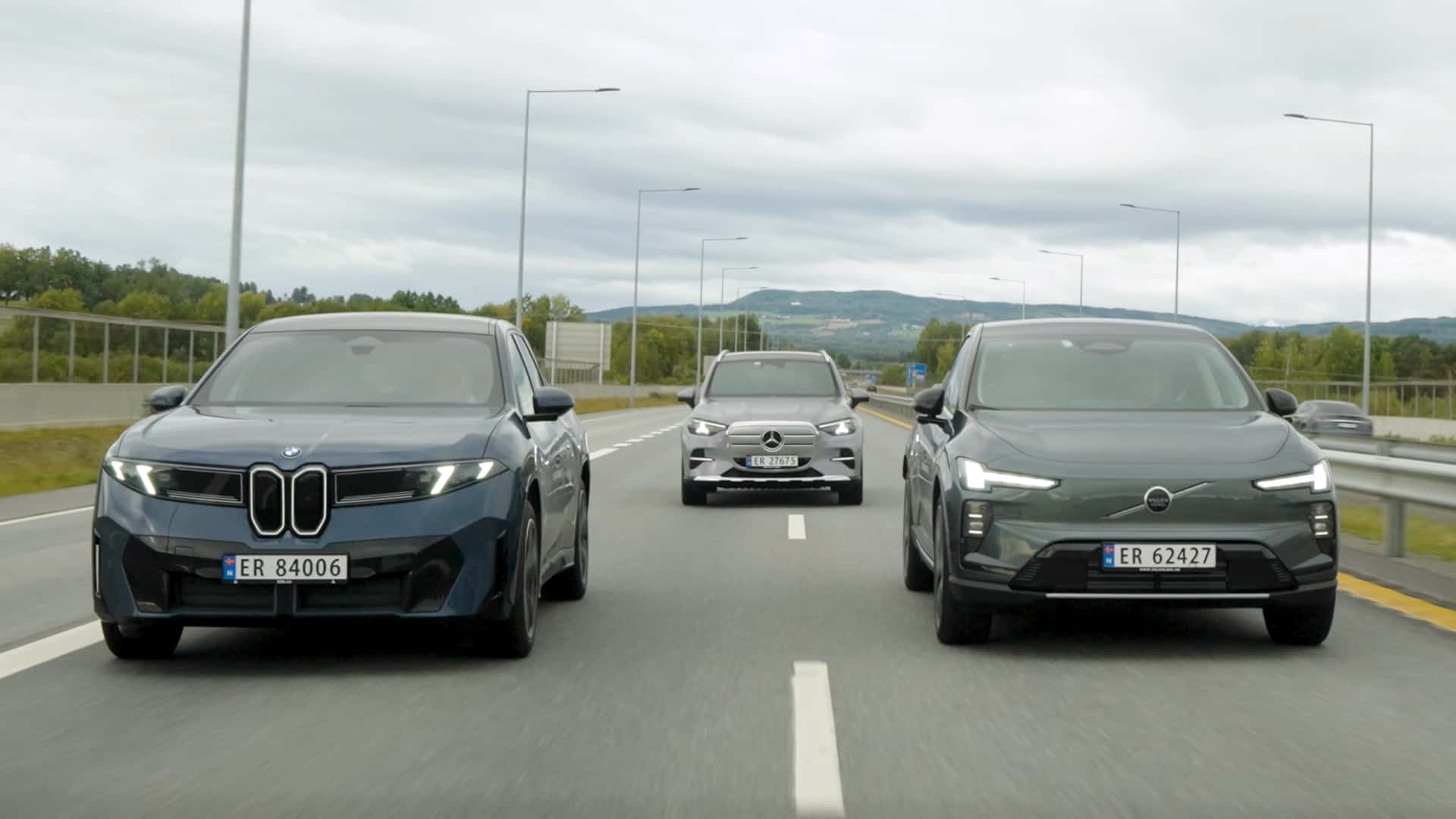
BMW iX3 Outperforms Mercedes GLC and Volvo EX60 in Highway Efficiency Test
In a recent highway test, the BMW iX3 demonstrated superior energy efficiency and range compared to…
1d ago
PHEV Batteries Show Resilience Despite Frequent Cycling
Plug-in hybrid electric vehicles (PHEVs) experience more frequent battery cycling than fully…
1d ago