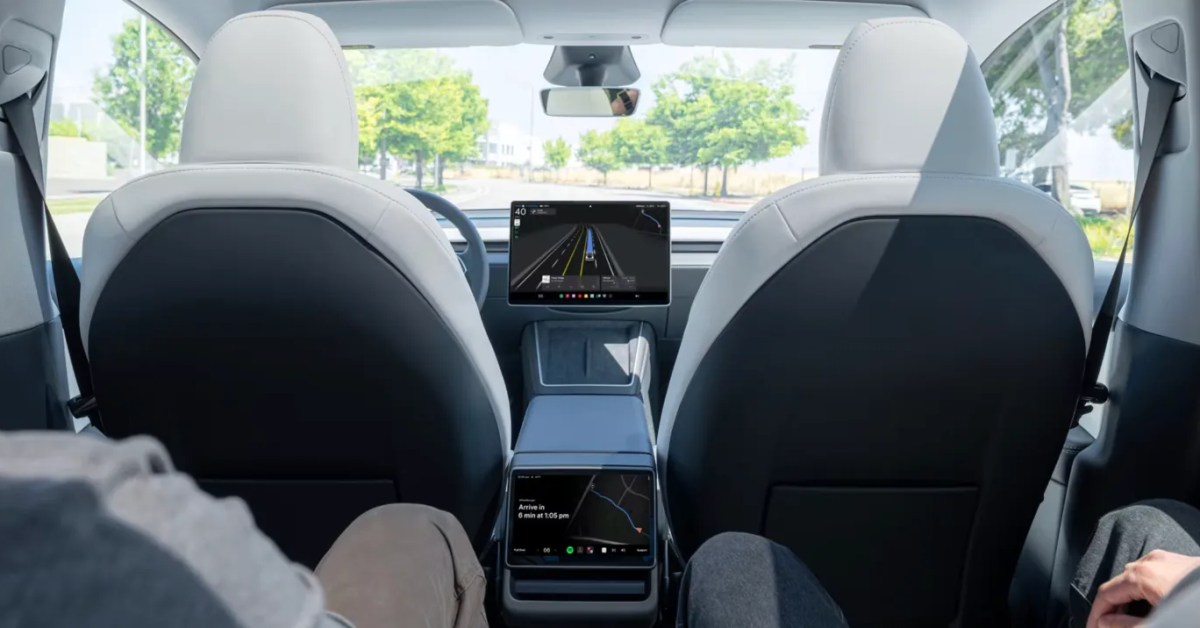
Nevada Limits Tesla's Robotaxi Fleet in Las Vegas to 10 Vehicles
Updated August 25, 2026
3 min read
1 linked source
Nevada's Transportation Authority has approved Tesla's permit to operate driverless vehicles in Las Vegas but has capped the fleet at just 10 cars, significantly lower than the 5,000 vehicles Tesla requested. The permit restricts operations to a specific section of the Strip, prohibits pickups at Harry Reid International Airport, and limits vehicle speeds to 45 mph.
Share this story
Why it matters
- ✓The limited fleet size may restrict the availability of Tesla's Robotaxi service for potential users in Las Vegas.
- ✓Restrictions on operational areas and speed could impact the convenience and utility of the service for EV owners and riders.
- ✓The decision may influence other states considering similar autonomous vehicle regulations, affecting future EV deployment strategies.
Reporting notes
EV Signal briefs are written to explain the verified change first, then add the context EV buyers and owners need to understand cost, availability, charging access, eligibility, or ownership impact.
If details are still developing, we try to say what is confirmed, what comes from secondary reporting, and what readers should verify before acting.
Source mix
1 linked source
1 media
Reviewed from: Electrek.
Nevada's Robotaxi Fleet Cap
Nevada's Transportation Authority has granted Tesla a permit to operate driverless vehicles in Las Vegas, but the approval comes with significant limitations. The fleet has been capped at just 10 vehicles, a stark contrast to Tesla's request for a fleet of 5,000 cars. This decision marks a cautious approach to the deployment of autonomous vehicles in urban settings.
What Changed
Tesla's application for a larger fleet was aimed at establishing a robust Robotaxi service in Las Vegas, a city known for its heavy tourist traffic and potential demand for innovative transportation solutions. However, the approved permit restricts Tesla to operating only 10 vehicles on a designated stretch of the Las Vegas Strip. Additionally, the permit prohibits pickups at Harry Reid International Airport and limits vehicle speeds to 45 mph.
Why It Matters for Buyers and Owners
The limitations imposed by the Nevada Transportation Authority could have several implications for EV buyers and owners:
- Availability: With only 10 vehicles allowed, the Robotaxi service may not be widely accessible, limiting options for those looking to use Tesla's autonomous ride-hailing service.
- Operational Restrictions: The specific operational area and speed limit could affect the overall convenience and efficiency of the service, potentially deterring users who seek faster or more flexible transportation options.
- Future Implications: This cautious approach may set a precedent for how other states regulate autonomous vehicle services, influencing the broader landscape of EV deployment and ownership.
Key Details from Source Material
According to Electrek, the Nevada Transportation Authority's decision reflects a careful consideration of safety and regulatory concerns regarding autonomous vehicles. The restrictions on operational areas and speed are designed to ensure that the technology is tested in a controlled environment, which could be a factor in the limited fleet size.
Tesla's request for a larger fleet indicates the company's ambition to expand its Robotaxi service rapidly, but the regulatory response suggests that authorities are taking a more measured approach to the rollout of such technologies.
What to Watch Next
As Tesla navigates this regulatory landscape, it will be important to monitor how the company adapts its strategy in response to the limitations imposed by the Nevada Transportation Authority. Potential future developments could include:
- Further Regulatory Changes: Observers should keep an eye on how other states respond to Tesla's Robotaxi initiatives and whether similar caps or restrictions are implemented elsewhere.
- Operational Performance: The performance of the limited fleet in Las Vegas could influence public perception and regulatory attitudes towards autonomous vehicles.
- Expansion Plans: Tesla may seek to negotiate for a larger fleet or expanded operational areas in the future, depending on the success of its initial rollout.
In conclusion, while Tesla's Robotaxi service in Las Vegas represents a significant step towards autonomous transportation, the limitations imposed by Nevada's Transportation Authority highlight the ongoing challenges and regulatory considerations in the deployment of such technologies.
Sources
These are the documents and reports used to build this brief so readers can verify the story directly.
Comments
Log in with
Loading comments…
More in Ownership
Tesla's Lawyers Misled Witness in Racism Trial
Tesla's ongoing racism trial in California has faced significant setbacks as it was revealed that a…
18h ago
Rivian R2 Faces First Recall Due to Camera Issue
Rivian has issued a recall affecting nearly 99,000 vehicles, including some of its new R2 models,…
18h ago
BMW iX3 Outperforms Mercedes GLC and Volvo EX60 in Highway Efficiency Test
In a recent highway test, the BMW iX3 demonstrated superior energy efficiency and range compared to…
1d ago
PHEV Batteries Show Resilience Despite Frequent Cycling
Plug-in hybrid electric vehicles (PHEVs) experience more frequent battery cycling than fully…
1d ago