NASA and Elon Musk Disagree on Starship Launch Estimates for Moon Landing
Elon Musk has publicly disputed NASA's estimate that 22 launches of the Starship spacecraft will be required for a successful Moon landing. Instead, Musk predicts that only 6 to 8 launches will be necessary. This disagreement highlights differing perspectives on the feasibility and planning of lunar missions, which could impact future space exploration efforts.

Key takeaways
30-second read- 1Discrepancies in launch estimates could influence funding and resource allocation for lunar missions, potentially affecting technological advancements that could benefit EV development.
- 2The outcome of these missions may impact the timeline for future space-based technologies that could intersect with EV innovations, such as battery advancements or charging infrastructure.
- 3Increased focus on space exploration could lead to new partnerships and investments in the EV sector, as companies like SpaceX and Tesla continue to innovate.
Confirmed
No official source linked yet
Reported
Secondary reporting: Teslarati
Verify yourself
Eligibility, local prices and dates for your car, state or utility
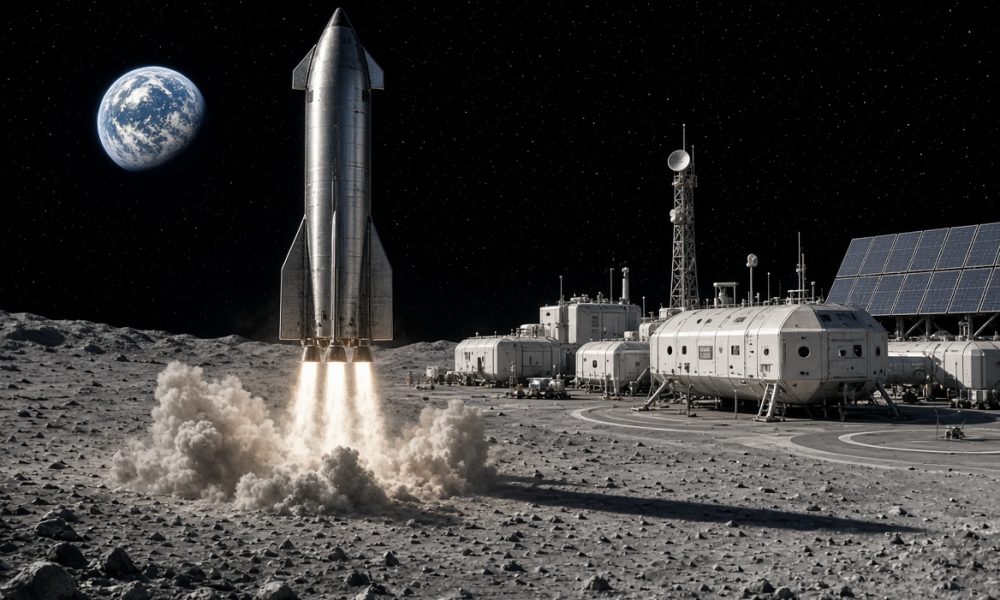
Elon Musk has publicly challenged NASA's estimate regarding the number of Starship launches required for a successful Moon landing. While NASA suggests that 22 launches will be necessary, Musk believes that only 6 to 8 launches will suffice. This disagreement raises questions about the planning and feasibility of lunar missions, which could have broader implications for space exploration and technology development.
What Changed
The core of the disagreement lies in the differing estimates of launch requirements for the Starship spacecraft, which is being developed by SpaceX for NASA's Artemis program. According to a report from Teslarati, Musk's prediction of 6 to 8 launches starkly contrasts with NASA's figure of 22. This discrepancy indicates a potential misalignment in expectations and planning between the two entities, which could affect timelines and budgets for lunar exploration.
Why It Matters for Buyers and Owners
- Impact on Funding and Resources: If NASA's higher estimate is accurate, it may require more funding and resources, which could divert attention from other projects, including those related to electric vehicles (EVs).
- Technological Advancements: The technologies developed for lunar missions often have applications on Earth. Innovations in battery technology or materials science could emerge from these efforts, potentially benefiting the EV market.
- Partnerships and Investments: As space exploration continues to evolve, there may be new opportunities for partnerships between aerospace and automotive companies, leading to advancements in EV technology and infrastructure.
Key Details from Source Material
According to Teslarati, Musk's assertion that only 6 to 8 launches are needed reflects his confidence in the capabilities of the Starship spacecraft. This spacecraft is designed to be fully reusable, which could significantly reduce the number of launches required for missions. In contrast, NASA's estimate may take into account additional factors such as safety, redundancy, and the complexities of lunar landings.
The disagreement underscores the challenges of coordinating large-scale projects involving multiple stakeholders, especially in the high-stakes arena of space exploration. As both parties work towards their goals, the outcome of this debate could influence future missions and the overall direction of space technology development.
What to Watch Next
As this situation develops, it will be important to monitor any official statements from NASA and SpaceX regarding their plans for the Artemis program and the Starship spacecraft. Additionally, updates on the progress of the Starship's development and testing phases will provide further insight into the feasibility of Musk's predictions. Stakeholders in the EV sector should keep an eye on how these developments might intersect with advancements in electric vehicle technology and infrastructure.
In conclusion, while the disagreement between NASA and Elon Musk regarding Starship launch estimates may seem distant from the EV market, the implications of their lunar missions could resonate through technological advancements and partnerships that ultimately benefit electric vehicle buyers and owners.
Sources
1 media- [1]The Starship moon landing number NASA and Elon Musk can’t agree onMedia
Teslarati · teslarati.com · published Oct 22
Newsletter
Weekly EV signal. No spam.
Comments
Log in with
Loading comments…