Musk Addresses Tesla Robotaxi Night Operation Limitations Due to Low-Light Challenges

Edited by Dash Coilwright
Incentives & Software
Updated October 3, 2026
3 min read
1 linked source
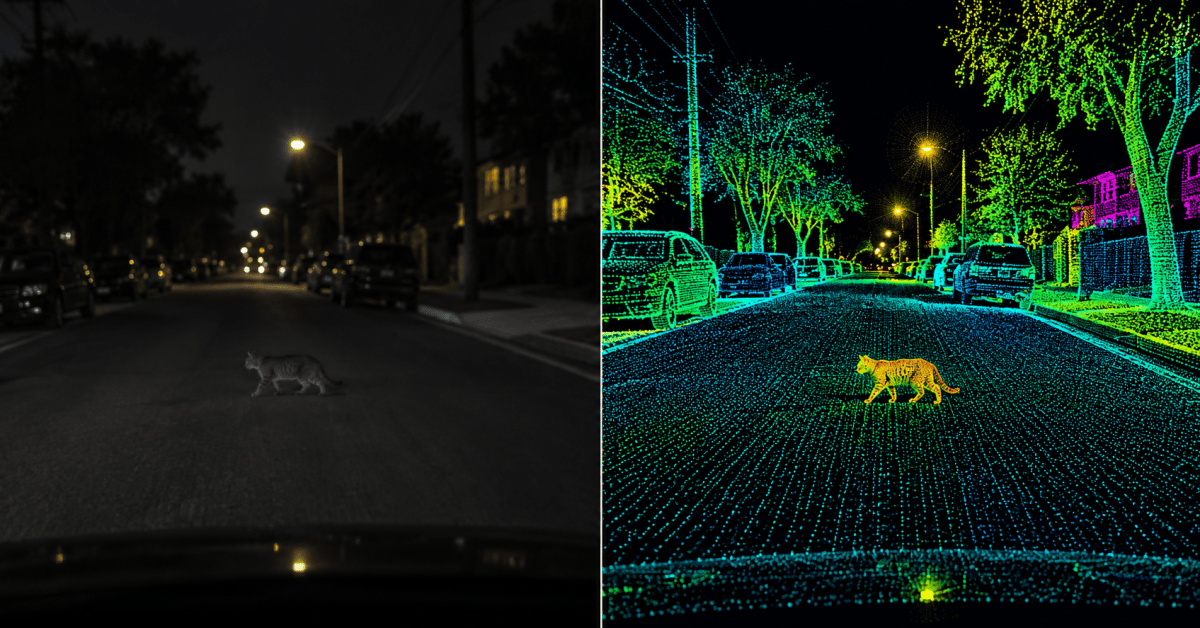
Elon Musk has stated that Tesla's Robotaxi service is currently unable to operate at night due to difficulties in detecting pets in low-light conditions. This limitation stems from the reliance on cameras, which struggle in low-contrast scenarios, a problem that lidar and radar could potentially solve. As a result, the rollout of the Robotaxi service is constrained during nighttime hours.
Share this story
Why it matters
- ✓Nighttime operation limitations may affect the overall usability of Tesla's Robotaxi service for potential users.
- ✓The reliance on cameras over lidar could impact the safety perception of Tesla vehicles among buyers and owners.
- ✓Future advancements in sensor technology may influence the cost and availability of Tesla's autonomous features.
Tesla Robotaxi's Nighttime Operation Challenges
Elon Musk has recently shed light on the limitations facing Tesla's Robotaxi service, specifically regarding its inability to operate at night. According to Musk, the primary issue is the difficulty in detecting pets in low-light conditions, which he illustrated with the example of "grey kittens on grey tarmac." This scenario highlights a significant challenge for the current sensor technology employed in Tesla vehicles.
What Changed
The announcement clarifies that Tesla's Robotaxi service will not be available during nighttime hours due to the limitations of its camera-based detection systems. Musk pointed out that low-light and low-contrast detection is a well-documented weakness of cameras, which poses a safety risk when navigating in the dark. This issue has led to the decision to restrict nighttime operations until a solution is found.
Why It Matters for Buyers and Owners
-
Usability Concerns: The inability of the Robotaxi service to operate at night could limit its appeal to potential users who rely on transportation during evening hours, thereby affecting overall demand.
-
Safety Perception: The reliance on camera technology, which Musk has previously criticized, may raise concerns among buyers regarding the safety and reliability of Tesla's autonomous driving features. This could influence purchasing decisions for those considering a Tesla vehicle.
-
Future Technology Implications: As Tesla continues to develop its autonomous driving technology, the integration of lidar and radar could change the landscape of what consumers expect from autonomous vehicles. This may also impact the pricing and availability of future models equipped with enhanced sensor technology.
Key Details from Source Material
According to Electrek, Musk has long referred to lidar and radar as a "crutch" and a "fool's errand," suggesting that Tesla aims to rely primarily on its camera-based systems for full autonomy. However, the current limitations in low-light detection have prompted a reevaluation of this stance, particularly concerning nighttime operations. The challenges posed by detecting low-contrast objects, such as pets, underscore the need for more advanced sensor technology to ensure safety and functionality in various driving conditions.
What to Watch Next
As Tesla continues to refine its autonomous driving technology, it will be important to monitor any developments regarding the integration of lidar or radar systems into their vehicles. Additionally, updates on the timeline for the Robotaxi service's nighttime operation capabilities will be crucial for potential users and Tesla owners. Stakeholders should keep an eye on announcements from Tesla regarding advancements in sensor technology and any changes to the operational parameters of the Robotaxi service.
Sources
These are the documents and reports used to build this brief so readers can verify the story directly.
Reporting notes
EV Signal briefs are written to explain the verified change first, then add the context EV buyers and owners need to understand cost, availability, charging access, eligibility, or ownership impact.
If details are still developing, we try to say what is confirmed, what comes from secondary reporting, and what readers should verify before acting.
Source mix
1 linked source
1 media
Reviewed from: Electrek.
Comments
Log in with
Loading comments…
More in Software
Tesla Enhances Headlight Performance with Software Update
Tesla has released a software update that improves the functionality of its headlights through a…
20h ago

Wallbox Partners with Enode to Enhance Smart Charging Connectivity
Wallbox has announced a partnership with Enode to enable its EV chargers to connect with…
1d ago
Tesla's New 'Emergency Drive Away' Feature Could Cost Users Up to $25,000
Tesla's latest feature, 'Emergency Drive Away,' may incur damages of up to $25,000 to Superchargers…
1d ago

Comparison of XPENG L03 with VLA 2.0 and Tesla Model 3 with FSD Discussed on Ludicrous Feed
A recent discussion on Ludicrous Feed compared the XPENG L03 equipped with VLA 2.0 and the Tesla…
1d ago