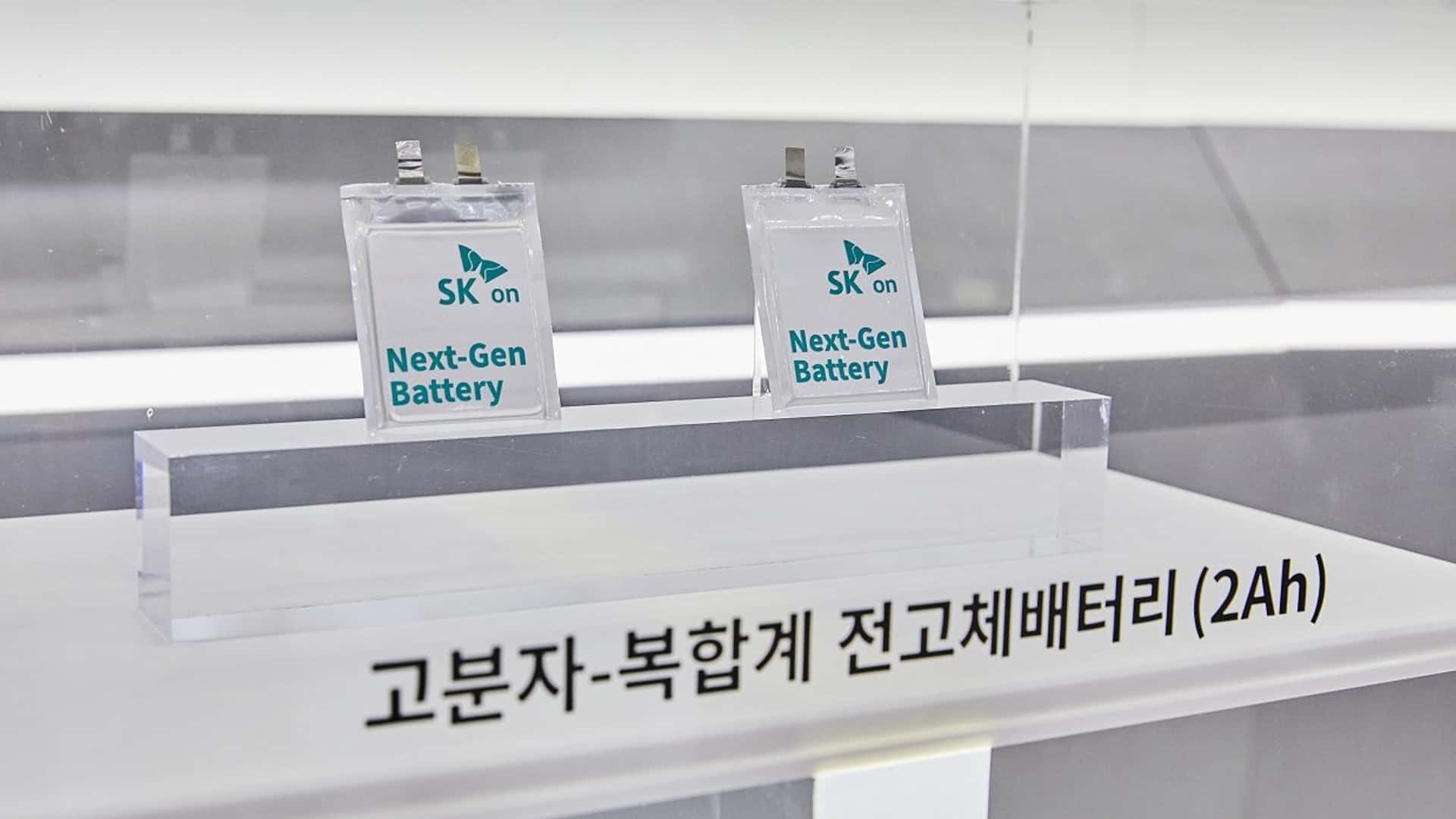
MIT Researchers Address Dendrite Formation in Solid-State Batteries
Updated July 8, 2026
3 min read
1 linked source
Researchers at MIT have discovered a method to prevent the formation of tiny metal spikes, known as dendrites, that can short-circuit solid-state batteries. This breakthrough could enhance the safety and performance of these batteries, which are critical for electric vehicles (EVs). However, the full implications for commercial battery production and deployment remain to be seen.
Share this story
Why it matters
- ✓Improved solid-state batteries could lead to safer and more efficient EVs, potentially reducing the risk of battery failures.
- ✓Enhanced battery performance may lower ownership costs over time due to increased longevity and efficiency.
- ✓If successfully implemented, this technology could accelerate the adoption of solid-state batteries in the EV market, impacting availability and pricing.
Reporting notes
EV Signal briefs are written to explain the verified change first, then add the context EV buyers and owners need to understand cost, availability, charging access, eligibility, or ownership impact.
If details are still developing, we try to say what is confirmed, what comes from secondary reporting, and what readers should verify before acting.
Source mix
1 linked source
1 media
Reviewed from: InsideEVs.
MIT Researchers Address Dendrite Formation in Solid-State Batteries
Researchers at the Massachusetts Institute of Technology (MIT) have made a significant advancement in solid-state battery technology by finding a way to prevent the formation of dendrites—tiny metal spikes that can short-circuit batteries. This discovery is crucial for the development of safer and more efficient batteries, which are essential for the future of electric vehicles (EVs).
What Changed
The primary change is the identification of a method to mitigate dendrite formation in solid-state batteries. Dendrites can grow during the charging process, leading to short circuits that compromise battery safety and performance. By addressing this issue, MIT researchers aim to enhance the reliability of solid-state batteries, which are considered a promising alternative to traditional lithium-ion batteries.
Why It Matters for Buyers/Owners
The implications of this research are significant for current and prospective EV buyers and owners:
- Safety Improvements: Solid-state batteries that are less prone to short-circuiting can enhance the overall safety of electric vehicles, reducing the risk of battery-related incidents.
- Cost Efficiency: With improved battery performance, EVs may experience lower ownership costs over time, as these batteries could last longer and require fewer replacements.
- Market Impact: If this technology is successfully commercialized, it could lead to a faster rollout of solid-state batteries in the EV market, potentially affecting vehicle availability and pricing.
Key Details from Source Material
According to the article from InsideEVs, the formation of dendrites has been a persistent issue in solid-state battery development. These metal spikes can create short circuits, leading to battery failure and safety hazards. The researchers at MIT have developed a solution that could help avoid this problem, although the specifics of the method and its commercial viability have not been fully disclosed.
What to Watch Next
As this research progresses, it will be important to monitor how quickly these findings can be translated into practical applications within the battery manufacturing industry. Key areas to watch include:
- Commercial Viability: Will manufacturers adopt this new method, and how long will it take to implement it in production?
- Regulatory Approval: Any new battery technology will need to undergo rigorous testing and approval processes before it can be widely used in consumer vehicles.
- Market Response: How will the automotive industry react to these advancements, and what impact will it have on the current landscape of EV battery technology?
In conclusion, while the research from MIT represents a promising step forward in solid-state battery technology, the full impact on the EV market and consumer experience will depend on future developments and the successful integration of these findings into commercial products.
Sources
These are the documents and reports used to build this brief so readers can verify the story directly.
Comments
Log in with
Loading comments…
More in Ownership
Tesla's Lawyers Misled Witness in Racism Trial
Tesla's ongoing racism trial in California has faced significant setbacks as it was revealed that a…
19h ago

Rivian R2 Faces First Recall Due to Camera Issue
Rivian has issued a recall affecting nearly 99,000 vehicles, including some of its new R2 models,…
19h ago
BMW iX3 Outperforms Mercedes GLC and Volvo EX60 in Highway Efficiency Test
In a recent highway test, the BMW iX3 demonstrated superior energy efficiency and range compared to…
1d ago
PHEV Batteries Show Resilience Despite Frequent Cycling
Plug-in hybrid electric vehicles (PHEVs) experience more frequent battery cycling than fully…
1d ago