
Lucid Motors Reports Lowest EV Output in Nearly Two Years

Edited by Volta Kessrin
Models, Pricing & Buying
Updated October 6, 2026
3 min read
1 linked source
Lucid Motors has announced a significant reduction in its electric vehicle (EV) production, reaching its lowest output level in almost two years. This decision comes as the company grapples with challenges in generating mass-market demand for its vehicles, leading to a deliberate limitation in production. The impact of this reduction raises concerns for potential buyers and current owners regarding availability and future market dynamics.
Share this story
Why it matters
- ✓Reduced production may lead to limited availability of Lucid's EV models, affecting potential buyers' choices.
- ✓Current owners might face challenges in resale value and service availability due to decreased production.
- ✓The decision to limit output could signal ongoing struggles within the EV market, influencing pricing and competition.
Lucid Motors Reports Lowest EV Output in Nearly Two Years
Lucid Motors has confirmed that its electric vehicle (EV) output has fallen to its lowest level in almost two years. This decline is attributed to the company's strategic decision to limit production as it continues to face challenges in finding mass-market demand for its vehicles.
What Changed
The latest reports indicate that Lucid Motors is deliberately curtailing its production levels, a move that reflects ongoing struggles within the company to attract a broader customer base. The decision to limit output is not merely a reaction to temporary market conditions but rather a calculated strategy in response to persistent difficulties in achieving mass-market appeal for its EV offerings.
Why It Matters for Buyers and Owners
The reduction in production has several implications for both potential buyers and current owners of Lucid vehicles:
- Availability: With Lucid limiting its production, potential buyers may find it increasingly difficult to purchase new models, leading to longer wait times or fewer options in the market.
- Resale Value: Current owners might experience challenges with resale value as the reduced output could signal a lack of demand, potentially impacting the perceived value of their vehicles.
- Market Dynamics: This strategic limitation in production could reflect broader trends in the EV market, influencing pricing and competition among manufacturers as they navigate similar challenges.
Key Details from Source Material
According to a report from TechCrunch, Lucid Motors' decision to limit production follows years of struggling to find a viable mass-market demand for its EVs. The company has faced various hurdles, including supply chain issues and competition from other established automakers entering the EV space. As a result, the current output levels are a direct response to these ongoing challenges.
What to Watch Next
As Lucid Motors continues to navigate its production limitations, it will be important to monitor how this affects the company's overall strategy moving forward. Key points to watch include:
- Future Production Plans: Will Lucid adjust its production strategy in response to market demand or continue to limit output?
- Market Response: How will competitors react to Lucid's production limitations, and will this influence their pricing and availability?
- Consumer Sentiment: How do potential buyers perceive Lucid's brand and offerings in light of these production challenges?
In conclusion, Lucid Motors' decision to limit EV production marks a significant moment for the company and the broader electric vehicle market. As the situation develops, stakeholders will need to stay informed about how these changes impact availability, pricing, and overall market dynamics.
Sources
These are the documents and reports used to build this brief so readers can verify the story directly.
- Lucid Motors’ EV output falls to lowest level in almost 2 years — TechCrunch TransportationMEDIA
Reporting notes
EV Signal briefs are written to explain the verified change first, then add the context EV buyers and owners need to understand cost, availability, charging access, eligibility, or ownership impact.
If details are still developing, we try to say what is confirmed, what comes from secondary reporting, and what readers should verify before acting.
Source mix
1 linked source
1 media
Reviewed from: TechCrunch Transportation.
Comments
Log in with
Loading comments…
More in Models & Pricing

Hyundai Tests Disguised Smaller Electric SUV, Potentially the IONIQ 4
Hyundai has been spotted testing a disguised smaller electric SUV, which is speculated to be the…
2h ago

BYD’s Flagship Electric SUV Achieves Over 10,000 Sales for Three Consecutive Months
BYD's full-size flagship electric SUV has recorded sales exceeding 10,000 units for three…
2h ago

Jaecoo 7 SUV Becomes Best-Selling Car in the UK for September
The Jaecoo 7 SUV, which is available as a plug-in hybrid, topped the sales charts in the UK for new…
2h ago
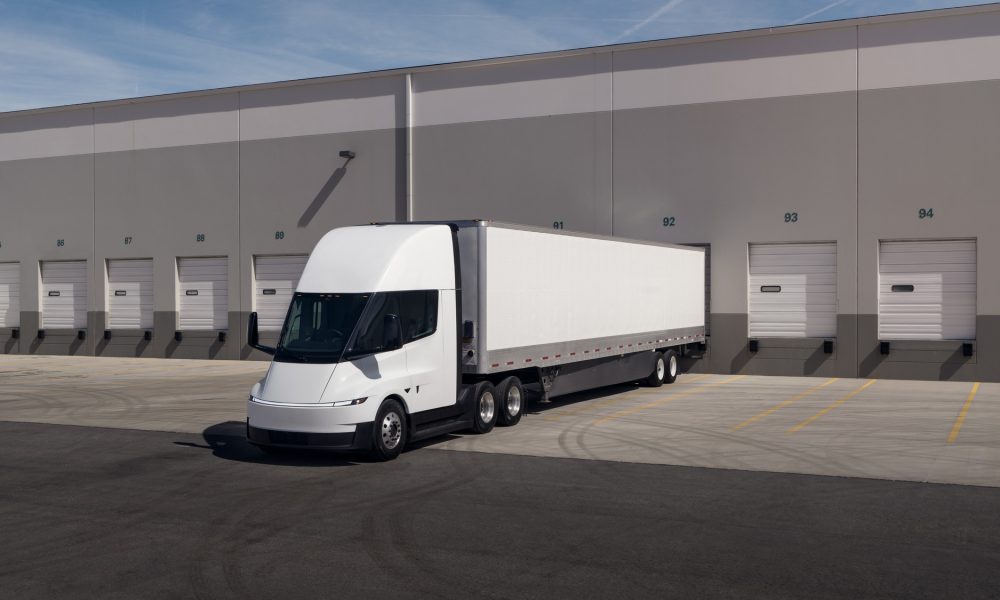
Tesla Secures Semi Supply Agreement with IMC Logistics
Tesla has finalized a deal with IMC Logistics to provide 50 Semi trucks for its logistics…
8h ago