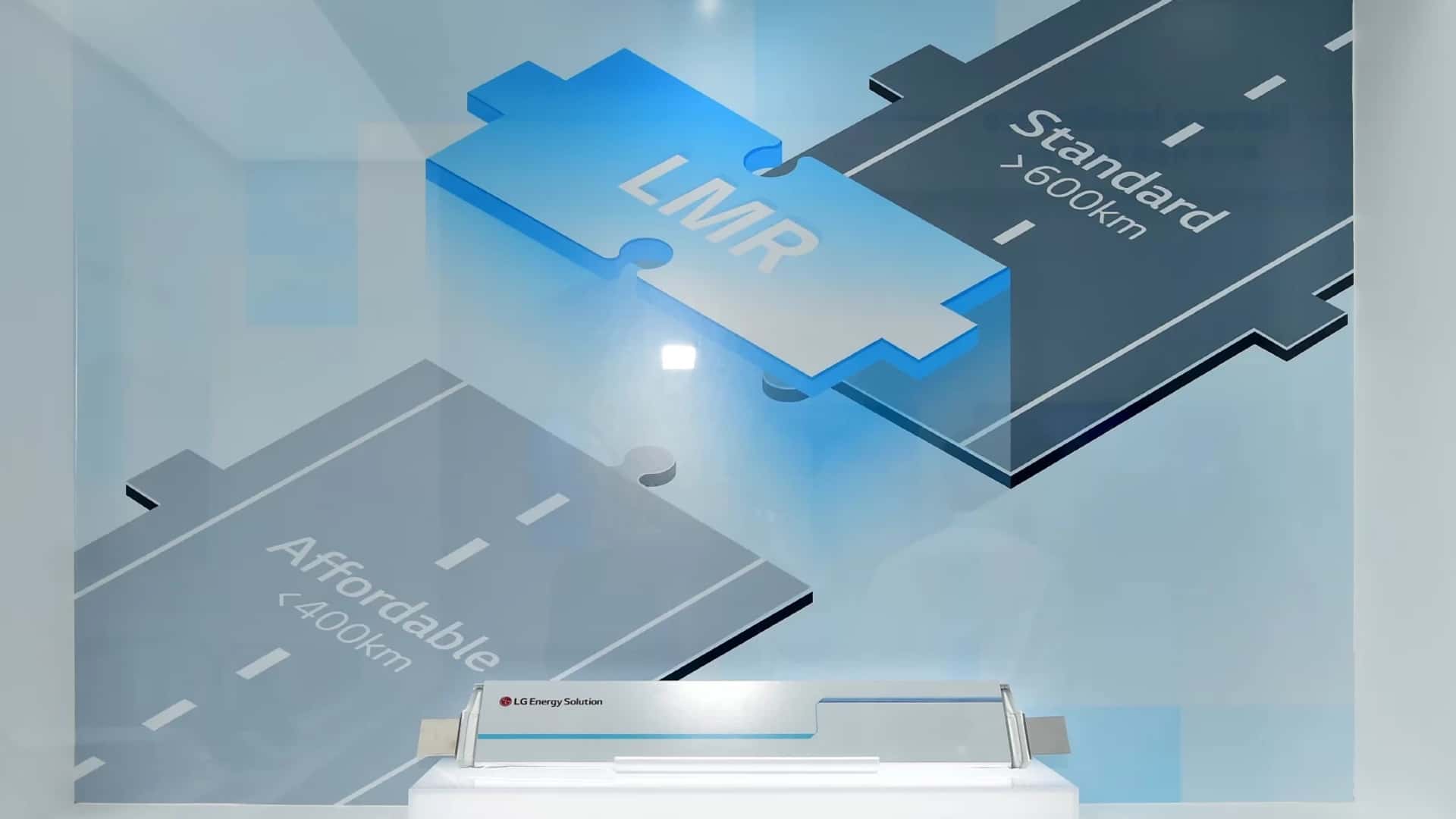
LG’s Experimental LMR Battery Retained 92% Capacity After 883 Cycles
Updated September 9, 2026
3 min read
1 linked source
Researchers at LG have developed a new method for charging and discharging cheaper lithium manganese-rich (LMR) batteries, resulting in a remarkable retention of 92% capacity after 883 cycles. This advancement addresses durability issues that have previously limited the adoption of LMR batteries in electric vehicles. However, the long-term implications of this technology for commercial use remain uncertain.
Share this story
Why it matters
- ✓Improved battery durability could lead to lower ownership costs for EV buyers, as batteries with longer lifespans reduce the need for replacements.
- ✓If adopted widely, this technology may make electric vehicles more affordable by utilizing cheaper LMR batteries without sacrificing performance.
- ✓Enhanced battery performance could improve day-to-day use, allowing for longer driving ranges and less frequent charging.
Reporting notes
EV Signal briefs are written to explain the verified change first, then add the context EV buyers and owners need to understand cost, availability, charging access, eligibility, or ownership impact.
If details are still developing, we try to say what is confirmed, what comes from secondary reporting, and what readers should verify before acting.
Source mix
1 linked source
1 media
Reviewed from: InsideEVs.
LG’s Breakthrough in LMR Battery Technology
Researchers at LG have made significant strides in battery technology by developing a new method for charging and discharging lithium manganese-rich (LMR) batteries. This experimental approach has led to an impressive retention of 92% capacity after 883 cycles, addressing a critical durability issue that has plagued cheaper LMR batteries in the electric vehicle (EV) market.
What Changed
The key change in LG's approach involves modifying the charging and discharging processes of LMR batteries. Traditional methods have often resulted in rapid capacity loss, limiting the practical lifespan of these batteries. By optimizing these processes, LG's researchers have demonstrated that it is possible to significantly enhance the durability of LMR batteries, making them a more viable option for EV manufacturers.
Why It Matters for Buyers and Owners
The implications of this breakthrough are substantial for current and prospective EV buyers and owners:
- Lower Ownership Costs: With improved battery durability, EV owners may face reduced costs over the lifetime of their vehicles. Batteries that last longer mean fewer replacements, which can be a significant expense.
- Affordability of EVs: If LMR batteries become widely adopted, they could lower the overall cost of electric vehicles. Cheaper batteries without sacrificing performance could make EVs more accessible to a broader audience.
- Enhanced Daily Use: The ability to retain a high capacity over numerous cycles means that drivers could experience longer ranges and less frequent charging, improving the overall convenience of owning an electric vehicle.
Key Details from Source Material
According to InsideEVs, the research conducted by LG focuses on overcoming the durability challenges associated with LMR batteries. These batteries are typically less expensive than their lithium-ion counterparts, but their performance has often been compromised due to rapid capacity degradation. By innovating the charging and discharging methods, LG aims to make these batteries a more attractive option for manufacturers looking to produce cost-effective electric vehicles.
What to Watch Next
While this development is promising, it is essential to note that the long-term commercial viability of LG's experimental LMR battery technology remains uncertain. Further testing and validation will be necessary before these batteries can be widely implemented in electric vehicles. Stakeholders in the EV market should keep an eye on LG's ongoing research and any announcements regarding partnerships with vehicle manufacturers or plans for mass production.
In conclusion, LG's advancements in LMR battery technology could potentially reshape the landscape of electric vehicle ownership, making them more affordable and practical for everyday use. As developments continue, both consumers and manufacturers will be eager to see how this technology evolves.
Sources
These are the documents and reports used to build this brief so readers can verify the story directly.
- LG’s Experimental LMR Battery Retained 92% Capacity After 883 Cycles — InsideEVsMEDIA
Comments
Log in with
Loading comments…
More in Ownership
Tesla's Lawyers Misled Witness in Racism Trial
Tesla's ongoing racism trial in California has faced significant setbacks as it was revealed that a…
18h ago

Rivian R2 Faces First Recall Due to Camera Issue
Rivian has issued a recall affecting nearly 99,000 vehicles, including some of its new R2 models,…
18h ago
BMW iX3 Outperforms Mercedes GLC and Volvo EX60 in Highway Efficiency Test
In a recent highway test, the BMW iX3 demonstrated superior energy efficiency and range compared to…
1d ago
PHEV Batteries Show Resilience Despite Frequent Cycling
Plug-in hybrid electric vehicles (PHEVs) experience more frequent battery cycling than fully…
1d ago