
Lawsuit Filed Against Boeing-Backed Wisk Aero Over Software Testing Allegations
Updated July 6, 2026
3 min read
1 linked source
Wisk Aero, an eVTOL startup backed by Boeing, is facing a lawsuit from a former employee who alleges they were terminated for whistleblowing about inadequate software testing for the company's autonomous air taxi service. The lawsuit claims that the software did not meet essential aviation testing standards, raising concerns about safety and regulatory compliance in the emerging eVTOL market.
Share this story
Why it matters
- ✓Safety concerns could delay the rollout of eVTOL services, impacting availability for potential users.
- ✓If the lawsuit reveals significant issues, it may affect consumer confidence in autonomous air taxi technology.
- ✓Regulatory scrutiny could increase, potentially leading to higher costs or longer timelines for eVTOL adoption.
Reporting notes
EV Signal briefs are written to explain the verified change first, then add the context EV buyers and owners need to understand cost, availability, charging access, eligibility, or ownership impact.
If details are still developing, we try to say what is confirmed, what comes from secondary reporting, and what readers should verify before acting.
Source mix
1 linked source
1 media
Reviewed from: Electrek.
Lawsuit Filed Against Wisk Aero
Wisk Aero, a startup developing autonomous air taxi technology with backing from Boeing, is currently embroiled in a lawsuit initiated by a former employee. The lawsuit claims that the company rushed its software testing processes, failing to adhere to basic aviation software testing requirements. This allegation raises serious concerns about the safety and reliability of Wisk's eVTOL (electric Vertical Take-Off and Landing) aircraft.
What Changed
The lawsuit centers on claims made by the whistleblower, who asserts that they were terminated for reporting the software's deficiencies. According to the lawsuit, the software behind Wisk's autonomous air taxi service did not meet essential testing standards, which could have significant implications for the safety of the aircraft and the viability of the eVTOL market as a whole.
Why It Matters for Buyers and Owners
The implications of this lawsuit extend beyond Wisk Aero and could affect the broader eVTOL landscape:
- Safety Concerns: If the allegations are proven true, it may lead to increased scrutiny from regulatory bodies, potentially delaying the deployment of eVTOL services. This could impact consumers who are eager for new transportation options.
- Consumer Confidence: The revelation of inadequate software testing could undermine public trust in autonomous air taxi technology, which is still in its infancy. A lack of confidence could deter potential users from embracing this new mode of transport.
- Regulatory Impact: Heightened regulatory scrutiny could result in more stringent testing requirements for eVTOL companies, potentially increasing costs and extending timelines for bringing these services to market.
Key Details from Source Material
The allegations come from a whistleblower who claims they were fired after raising concerns about the software's compliance with aviation standards. This lawsuit not only highlights potential safety issues but also raises questions about corporate practices within Wisk Aero. The company, which has been positioning itself as a leader in the eVTOL space, may face significant challenges if the claims are substantiated.
What to Watch Next
As the lawsuit unfolds, it will be crucial to monitor the developments regarding Wisk Aero's response and any potential regulatory actions that may arise from these allegations. Stakeholders in the eVTOL industry, including investors and potential customers, should keep an eye on how this situation evolves, as it could set precedents for software testing and safety standards in the rapidly growing field of autonomous aviation. Additionally, any updates regarding the whistleblower's claims and the company's internal practices will be important to follow, as they may influence public perception and regulatory approaches to eVTOL technologies.
Sources
These are the documents and reports used to build this brief so readers can verify the story directly.
- Lawsuit claims Boeing-backed Wisk rushed eVTOL software testing — ElectrekMEDIA
Comments
Log in with
Loading comments…
More in Software

Mercedes Partners with Wayve for Advanced Driver Assistance System
Mercedes-Benz has announced a collaboration with Wayve to develop a driver assistance system…
1d ago
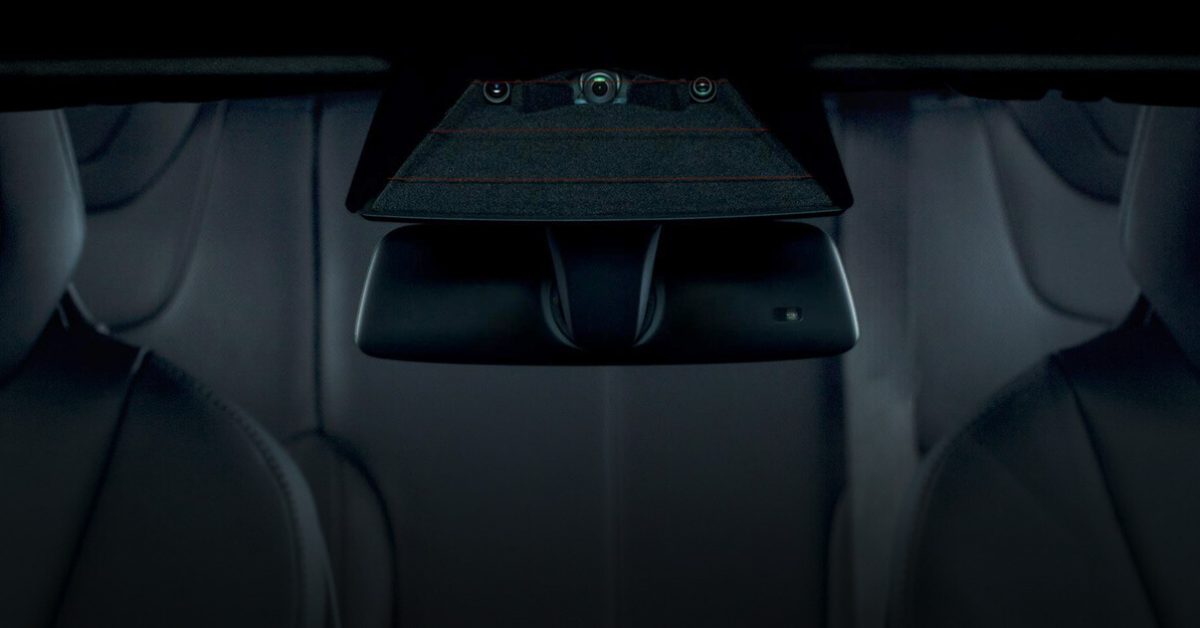
Tesla Full Self-Driving Update Issues False Camera Alerts
Tesla's latest Full Self-Driving update, version 14.3.9, is erroneously alerting owners that their…
1d ago
Mercedes-Benz Partners with Wayve for AI Driver Integration in Future Vehicles
Mercedes-Benz has finalized a production agreement with Wayve, a British self-driving startup, to…
1d ago
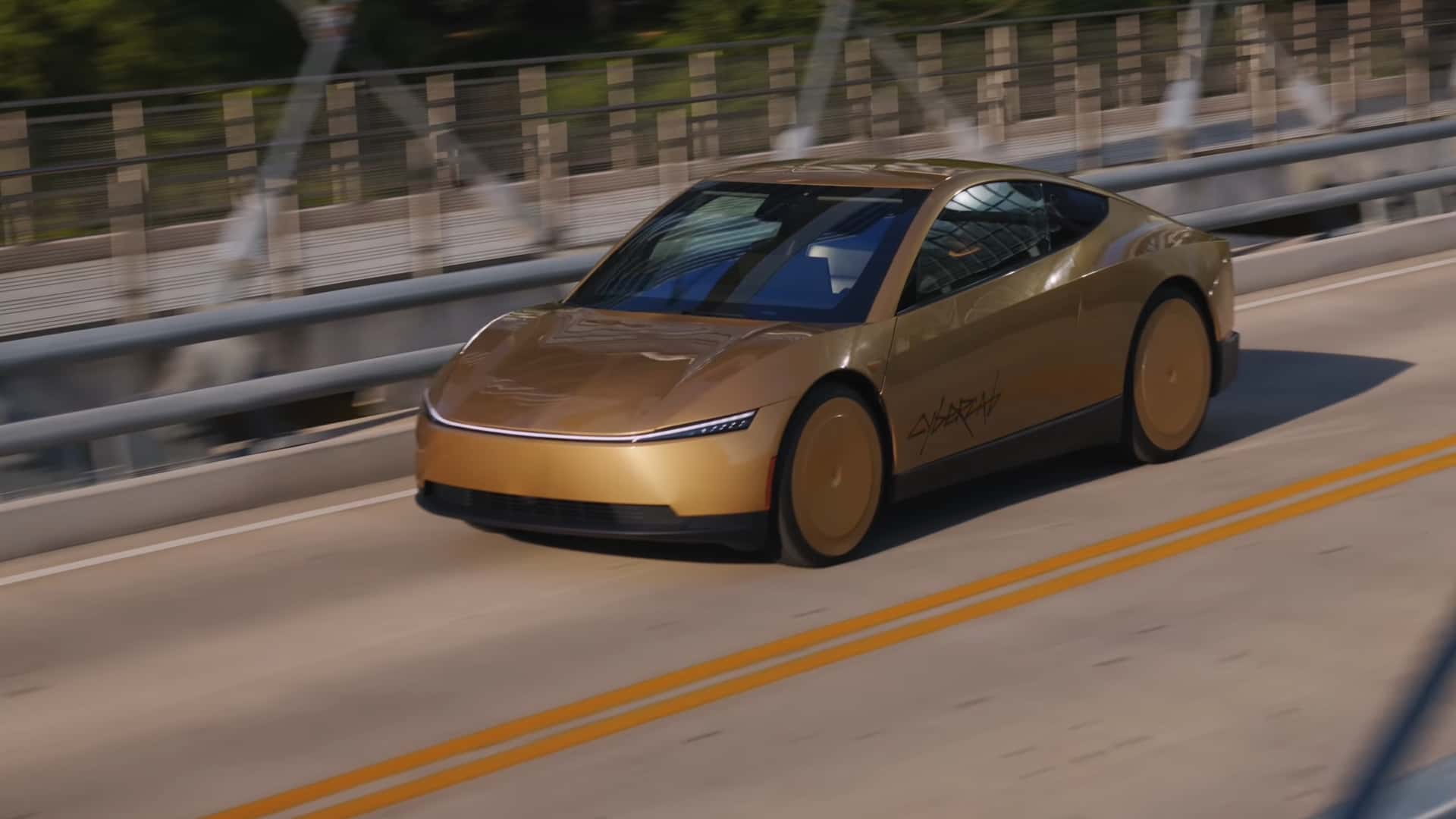
Tesla Cybercab Faces Navigation Issues Similar to Existing Tesla Models
Tesla's new Cybercab robotaxis are reportedly experiencing navigation problems, taking unusual…
2d ago