Kawasaki Files Patent for Innovative Electric Motorcycle Design
Updated March 11, 2026
4 min read
1 linked source
Kawasaki has patented a new electric motorcycle featuring advanced motor modularity, indicating a significant step forward in their electric vehicle development. While the company has been slow to introduce basic commuter electric motorcycles, this patent suggests they are exploring more sophisticated designs. Details on the specific features and potential release timeline remain limited.
Share this story
Why it matters
- ✓This innovation could lead to more versatile and efficient electric motorcycles for consumers.
- ✓Kawasaki's advancements may enhance competition in the electric motorcycle market, potentially benefiting buyers with more options.
- ✓The focus on modularity could allow for easier upgrades and maintenance for electric motorcycle owners.
Reporting notes
EV Signal briefs are written to explain the verified change first, then add the context EV buyers and owners need to understand cost, availability, charging access, eligibility, or ownership impact.
If details are still developing, we try to say what is confirmed, what comes from secondary reporting, and what readers should verify before acting.
Source mix
1 linked source
1 media
Reviewed from: Electrek.
Kawasaki's Electric Motorcycle Patent: A Leap Towards Innovation
Kawasaki, a name synonymous with high-performance motorcycles, has recently made headlines with its latest patent filing for an innovative electric motorcycle design. This development marks a significant step forward in the company’s electric vehicle (EV) strategy, showcasing advanced motor modularity that could reshape the landscape of electric motorcycles. While Kawasaki has been relatively slow in introducing basic commuter electric motorcycles, this patent indicates a shift towards more sophisticated designs that could appeal to a broader audience.
Understanding the Patent
The newly patented design emphasizes motor modularity, a concept that allows for interchangeable motor components within the motorcycle. This modular approach is not only innovative but also practical, as it could enable riders to customize their electric motorcycles based on their specific needs and preferences. The patent details suggest that Kawasaki is exploring ways to make electric motorcycles more versatile, potentially allowing for different configurations that cater to various riding styles, from casual commuting to high-performance racing.
Key Features of the Patent
While specific details about the motorcycle's design remain limited, the patent highlights several key features that could define Kawasaki's approach to electric motorcycles:
-
Modular Motor Design: The core of the innovation lies in the modularity of the motor. This design could allow for easy upgrades and replacements, making maintenance more straightforward for owners. Riders could potentially swap out motors for more powerful options or replace components as needed without requiring extensive mechanical knowledge.
-
Enhanced Performance Options: With modularity, Kawasaki could offer different motor configurations that cater to various performance needs. This flexibility could appeal to a wide range of riders, from those seeking efficient urban commuting solutions to enthusiasts looking for high-speed capabilities.
-
Sustainability and Efficiency: The focus on modular designs aligns with the growing demand for sustainable transportation solutions. By allowing for upgrades and replacements, Kawasaki could reduce waste associated with entire motorcycle replacements, thus promoting a more sustainable approach to motorcycle ownership.
-
User-Centric Customization: The potential for customization means that riders could tailor their electric motorcycles to fit their lifestyle. Whether it’s adjusting for longer commutes or enhancing performance for weekend rides, this flexibility could make electric motorcycles more appealing to a diverse audience.
Implications for the Electric Motorcycle Market
Kawasaki's patent could have significant implications for the electric motorcycle market as a whole. As one of the major players in the motorcycle industry, Kawasaki's advancements may spur competition among manufacturers, leading to a broader array of options for consumers. Here are some potential impacts:
Increased Competition
As Kawasaki moves towards more advanced electric motorcycle designs, other manufacturers may feel the pressure to innovate as well. This could lead to a more competitive market where companies strive to offer better features, performance, and pricing. For consumers, increased competition typically results in more choices and potentially lower prices.
Enhanced Consumer Options
With Kawasaki's focus on modularity, consumers may soon see a range of electric motorcycles that cater to different needs and preferences. This could include everything from entry-level commuter bikes to high-performance models, allowing riders to select a motorcycle that aligns with their specific requirements.
Improved Maintenance and Upgrades
The modular design could revolutionize how electric motorcycle owners approach maintenance and upgrades. Instead of facing the daunting prospect of replacing an entire motorcycle, owners could simply swap out components, making it easier and more cost-effective to keep their bikes in top condition. This could also extend the lifespan of electric motorcycles, as owners can adapt their bikes to changing needs over time.
Kawasaki's Position in the EV Landscape
Historically, Kawasaki has been slower than some competitors in the electric motorcycle space, focusing primarily on traditional gasoline-powered models. However, this patent suggests that the company is now taking significant steps to catch up with the growing demand for electric vehicles. As more consumers seek sustainable transportation options, Kawasaki's innovations could position the brand as a leader in the electric motorcycle market.
Future Prospects and Release Timeline
While the patent filing is a promising development, specific details about the motorcycle's features, pricing, and release timeline remain scarce. Kawasaki has not yet announced when consumers can expect to see these innovative electric motorcycles on the market. However, the patent indicates that the company is actively exploring advanced designs, which could lead to a new generation of electric motorcycles in the coming years.
Conclusion
Kawasaki's patent for an innovative electric motorcycle design featuring advanced motor modularity represents a significant step forward in the company's electric vehicle development. By focusing on modularity, Kawasaki is not only enhancing the versatility and efficiency of electric motorcycles but also positioning itself to compete more effectively in the evolving EV landscape. As the demand for electric motorcycles continues to grow, Kawasaki's advancements could lead to more options for consumers, ultimately benefiting riders with improved performance, customization, and sustainability.
As we await further details on this exciting development, it’s clear that Kawasaki is poised to make a meaningful impact in the electric motorcycle market, potentially changing the way we think about motorcycle ownership and performance.
Sources
These are the documents and reports used to build this brief so readers can verify the story directly.
Comments
Log in with
Loading comments…
More in Models & Pricing
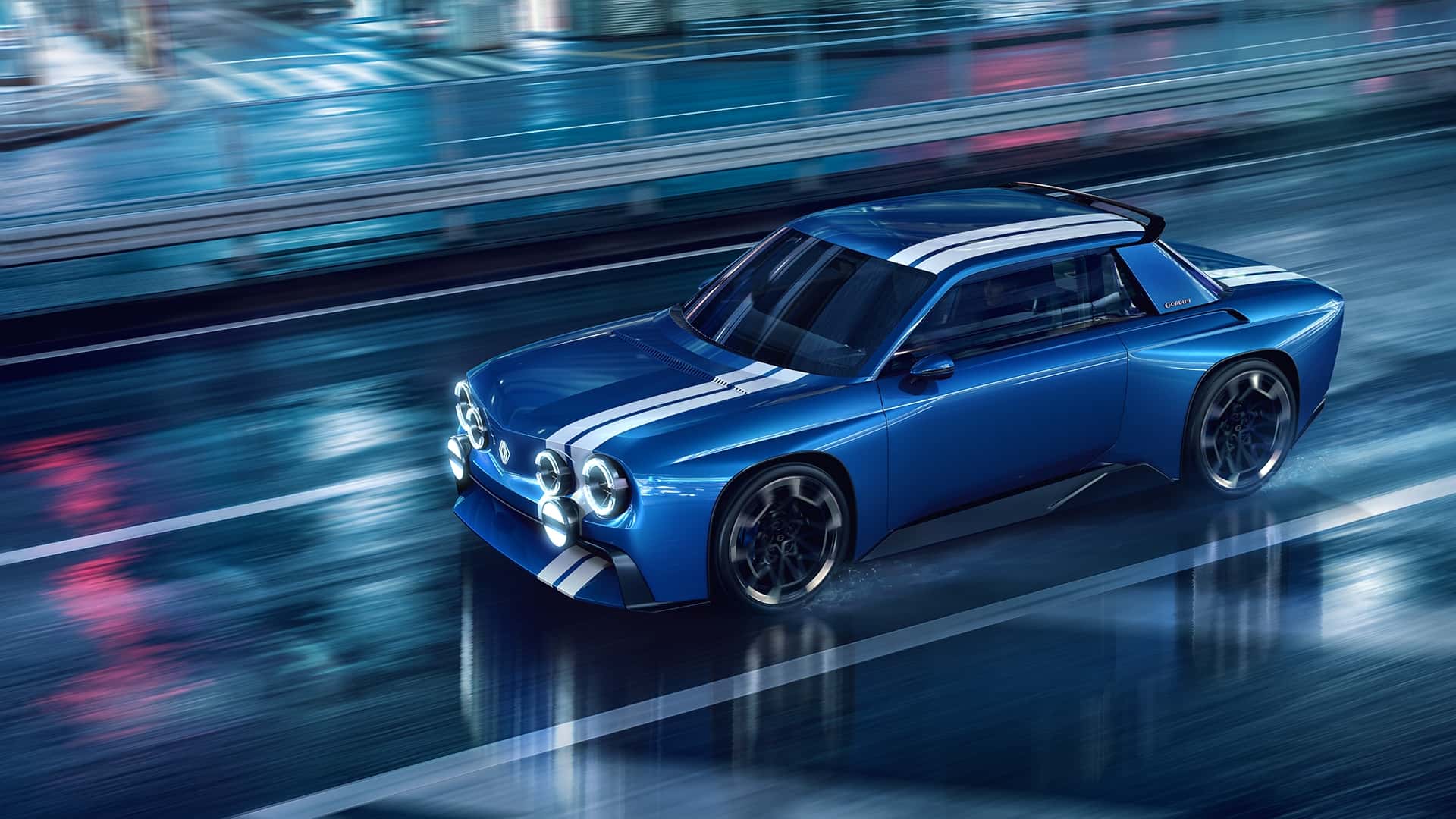
Renault 8 Gordini Returns as Rear-Wheel Drive EV
Renault has unveiled the return of the iconic Renault 8 Gordini as a rear-wheel drive electric…
Just now
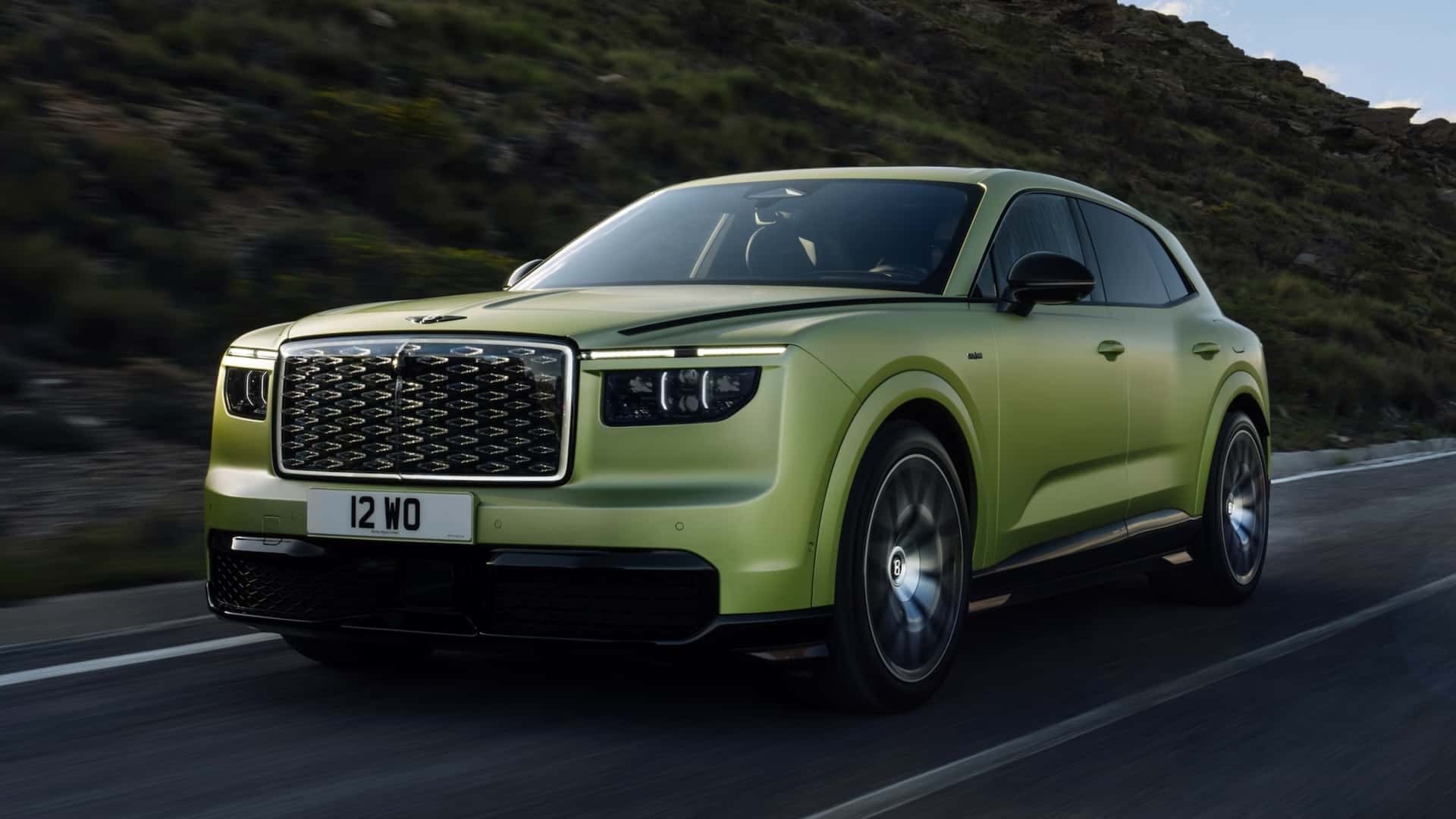
Bentley's First EV, the Torcal, Offers Rapid Charging Capabilities
Bentley has launched its first electric vehicle, the Torcal, a midsize SUV that boasts rapid…
12h ago
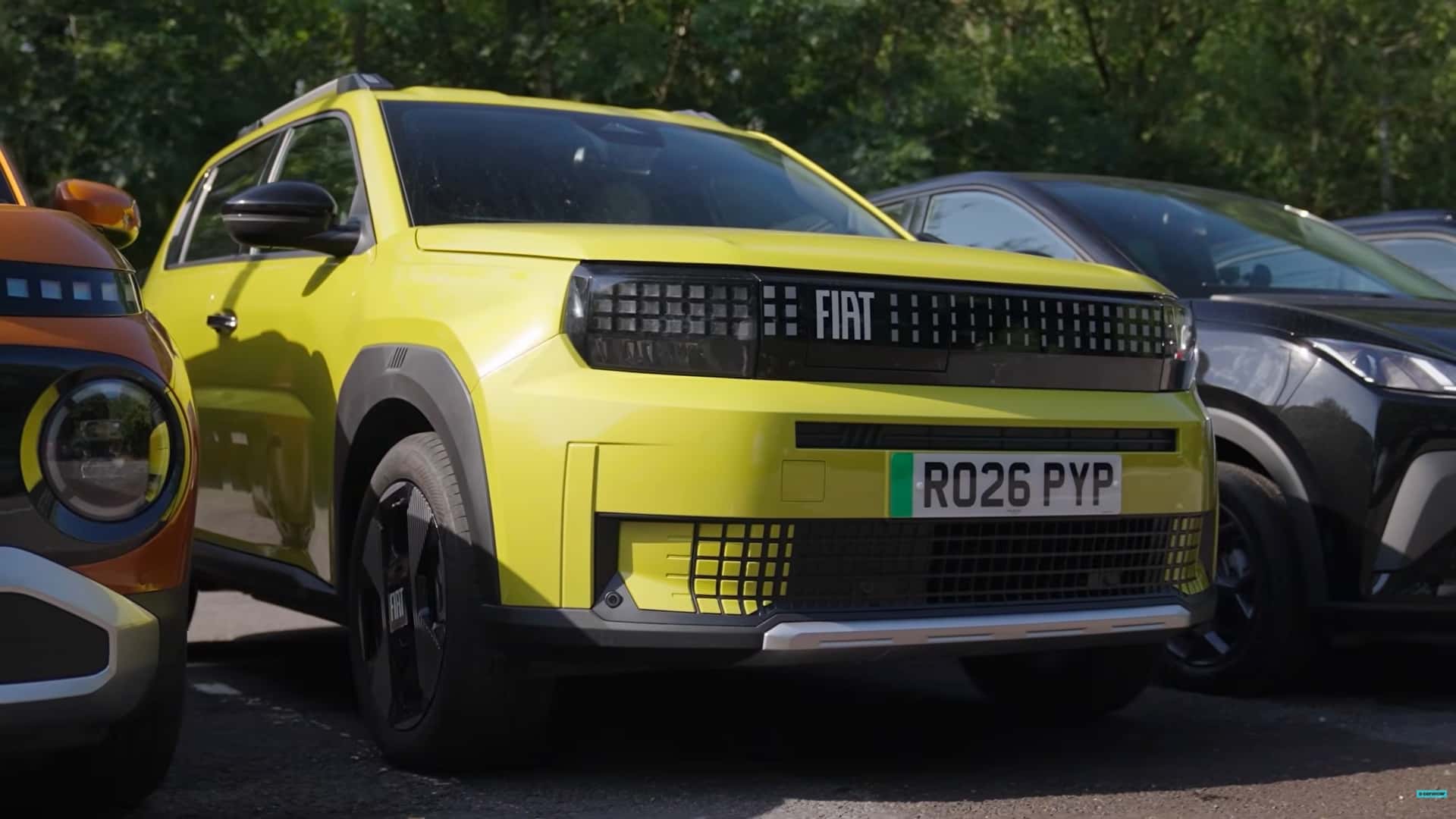
Fiat Grande Panda Outperforms Claimed Range in Real-World Test
In a recent highway range test, the Fiat Grande Panda exceeded its officially claimed range,…
12h ago
Bentley Launches Torcal, Its First All-Electric SUV
Bentley has officially unveiled the Torcal, marking its entry into the electric vehicle market.…
12h ago