
Jefferson County School District Launches Six Electric Buses with Bidirectional Charging

Edited by Ionna Brakeley
Charging & Ownership
Updated October 8, 2026
3 min read
1 linked source
Jefferson County Public Schools in Colorado has commissioned six electric school buses equipped with bidirectional charging technology. These buses will serve approximately 75,000 students across 145 schools during the current school year, with funding support from Xcel Energy's Electric School Bus Program. The initiative marks a significant step towards sustainable transportation in the district.
Share this story
Why it matters
- ✓The introduction of electric school buses may lead to reduced operational costs for school districts, potentially lowering the overall cost of transportation for EV owners.
- ✓Bidirectional charging allows the buses to return energy to the grid, which could enhance energy management and provide additional savings.
- ✓This initiative may encourage other districts to consider electric buses, increasing the availability of EV infrastructure and options for families.
Jefferson County School District Launches Electric Buses
Jefferson County Public Schools (JCPS) has officially commissioned six new electric school buses equipped with bidirectional charging technology. This initiative aims to serve the district's approximately 75,000 students across 145 schools during the current school year. The project has received significant financial backing from Xcel Energy, which contributed $3.4 million through its Electric School Bus (ESB) Program.
What Changed
The introduction of these six IC electric buses marks a pivotal shift in the transportation strategy for JCPS. With the implementation of bidirectional charging, the buses can not only draw power from the grid but also return energy back, creating a two-way flow of electricity. This capability is expected to enhance energy efficiency and support the local grid, especially during peak demand times.
Why It Matters for Buyers and Owners
-
Cost Efficiency: The use of electric school buses can lead to lower operational costs for school districts, which may translate into savings for families and taxpayers. As more districts adopt electric buses, the overall cost of transportation could decrease.
-
Energy Management: The bidirectional charging feature allows the buses to act as energy storage units, potentially providing energy back to the grid during high demand periods. This could lead to reduced energy costs for the district and improved grid stability.
-
Increased Adoption: The success of this program may inspire other school districts to consider electric buses, thereby expanding the EV infrastructure and options available to families. As electric buses become more common, it could enhance the overall appeal of electric vehicles in general.
Key Details from Source Material
According to Charged EVs, the six electric buses will begin operations immediately, serving the needs of students in the district. The funding from Xcel Energy is part of a broader initiative to promote electric school buses across Colorado, which aims to reduce emissions and improve air quality in school zones. The buses are expected to provide a cleaner and more sustainable transportation option for students, aligning with broader environmental goals.
What to Watch Next
As this initiative unfolds, it will be important to monitor the performance of the electric buses and the effectiveness of the bidirectional charging technology. Observers should look for updates on operational costs, energy savings, and any plans for further expansion of electric bus programs in other districts. Additionally, the response from the community and any potential challenges faced during implementation will provide valuable insights into the future of electric school transportation in Colorado and beyond.
Sources
These are the documents and reports used to build this brief so readers can verify the story directly.
Reporting notes
EV Signal briefs are written to explain the verified change first, then add the context EV buyers and owners need to understand cost, availability, charging access, eligibility, or ownership impact.
If details are still developing, we try to say what is confirmed, what comes from secondary reporting, and what readers should verify before acting.
Source mix
1 linked source
1 media
Reviewed from: Charged EVs.
Comments
Log in with
Loading comments…
More in Ownership

Nanoramic Introduces NXSP Binders for Li-ion Electrodes
Nanoramic has launched an eight-product catalog featuring NXSP binders specifically designed for…
2h ago

Advanced Materials Transforming EV Battery Thermal Management
The design of electric vehicle (EV) batteries is evolving significantly as automakers face pressure…
2h ago
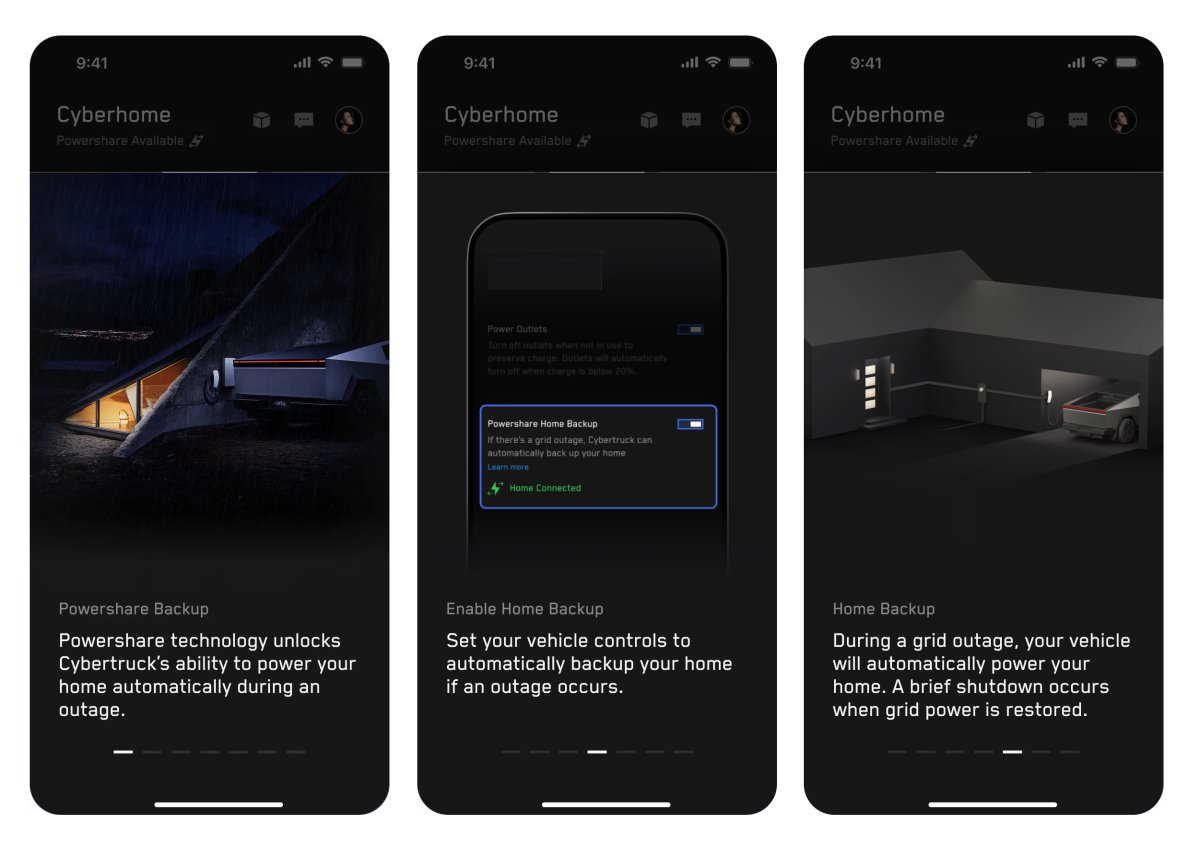
Tesla Model 3 and Model Y Now Support Powershare Home Backup
Tesla has introduced Powershare Home Backup support for new Model 3 and Model Y orders, with some…
2h ago

Lemonade Offers FSD Insurance Discount for HW3 Tesla Owners
Lemonade has announced a 30% discount on Full Self-Driving (FSD) miles for Tesla vehicles equipped…
2h ago