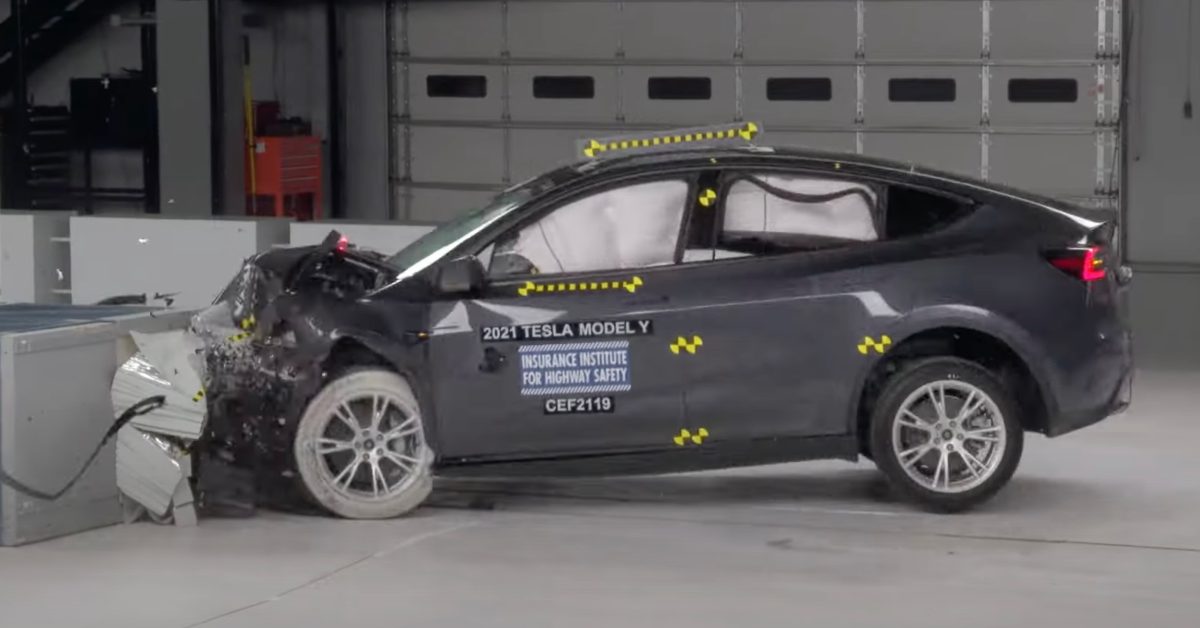
Investigation Reveals Hidden Data on Fatal Tesla Autopilot and FSD Crashes
Updated September 1, 2026
3 min read
1 linked source
Tesla's reports on crashes involving its Autopilot and Full Self-Driving (FSD) systems are heavily redacted, obscuring critical details from the public. An ongoing investigation is matching these reports to real fatal accidents that were previously reported as ordinary incidents, raising concerns about transparency and accountability. Tesla consistently attributes blame for these incidents to the drivers, leaving many questions unanswered.
Share this story
Why it matters
- ✓Lack of transparency may affect consumer trust in Tesla's Autopilot and FSD features, potentially influencing purchasing decisions.
- ✓Buyers and owners may be unaware of the risks associated with relying on these technologies due to the redacted nature of crash reports.
- ✓Ongoing investigations could lead to regulatory scrutiny, impacting the future development and deployment of Tesla's autonomous driving technologies.
Reporting notes
EV Signal briefs are written to explain the verified change first, then add the context EV buyers and owners need to understand cost, availability, charging access, eligibility, or ownership impact.
If details are still developing, we try to say what is confirmed, what comes from secondary reporting, and what readers should verify before acting.
Source mix
1 linked source
1 media
Reviewed from: Electrek.
Investigation into Tesla's Crash Data
Tesla is currently under scrutiny for its handling of crash reports involving its Autopilot and Full Self-Driving (FSD) systems. According to a report from Electrek, the company is required to submit crash data to the federal government but heavily redacts these reports, preventing the public from understanding the circumstances surrounding these incidents. This lack of transparency raises significant concerns about the safety and reliability of Tesla's autonomous driving technologies.
What Changed
The crux of the issue lies in Tesla's reporting practices. While the company does report crashes involving its Autopilot and FSD systems to federal authorities, the majority of the details in these reports are blacked out. This means that the public, including potential buyers and current owners, is left in the dark about the specifics of these crashes. An ongoing investigation aims to match these redacted reports with fatal crashes that have been covered in the news, effectively revealing the hidden data behind these incidents.
Why It Matters for Buyers and Owners
The implications of this investigation are significant for both current Tesla owners and potential buyers:
- Consumer Trust: The lack of transparency in crash reporting may erode consumer confidence in Tesla's autonomous driving features. Buyers may hesitate to invest in vehicles equipped with Autopilot or FSD if they perceive these systems as risky or poorly regulated.
- Awareness of Risks: Without access to unredacted crash data, owners and prospective buyers may not fully understand the risks associated with using these technologies. This could lead to over-reliance on Autopilot and FSD, potentially resulting in dangerous situations.
- Regulatory Impact: As investigations continue, there may be increased regulatory scrutiny on Tesla's practices. This could lead to changes in how autonomous driving technologies are developed, marketed, and regulated, affecting the future landscape of EV technology.
Key Details from Source Material
Electrek's report highlights that Tesla consistently blames drivers for crashes involving its Autopilot and FSD systems, despite the lack of detailed information available to substantiate these claims. The ongoing investigation aims to create a comprehensive database of confirmed fatal crashes linked to Tesla's autonomous features, providing a clearer picture of the safety issues at play.
The investigation is positioned as a running hub, continuously updating as new information is confirmed. This approach not only seeks to shed light on past incidents but also aims to hold Tesla accountable for its reporting practices.
What to Watch Next
As this investigation unfolds, it will be crucial to monitor the following aspects:
- Updates on Confirmed Crashes: Keep an eye on the ongoing investigation for updates on confirmed fatal crashes linked to Tesla's Autopilot and FSD systems. Each new finding could have implications for safety assessments and consumer perceptions.
- Regulatory Responses: Watch for any responses from regulatory bodies regarding Tesla's reporting practices. Increased scrutiny could lead to policy changes that affect how autonomous driving technologies are regulated in the future.
- Tesla's Response: It will be important to see how Tesla addresses these findings and whether the company makes any changes to its reporting practices or public communications regarding Autopilot and FSD safety.
In conclusion, the investigation into Tesla's crash data reveals significant gaps in transparency that could impact consumer trust and safety perceptions regarding the company's autonomous driving technologies. As more information becomes available, it will be essential for buyers and owners to stay informed about the implications of these findings.
Sources
These are the documents and reports used to build this brief so readers can verify the story directly.
Comments
Log in with
Loading comments…
More in Software
Mercedes Partners with Wayve for Advanced Driver Assistance System
Mercedes-Benz has announced a collaboration with Wayve to develop a driver assistance system…
1d ago
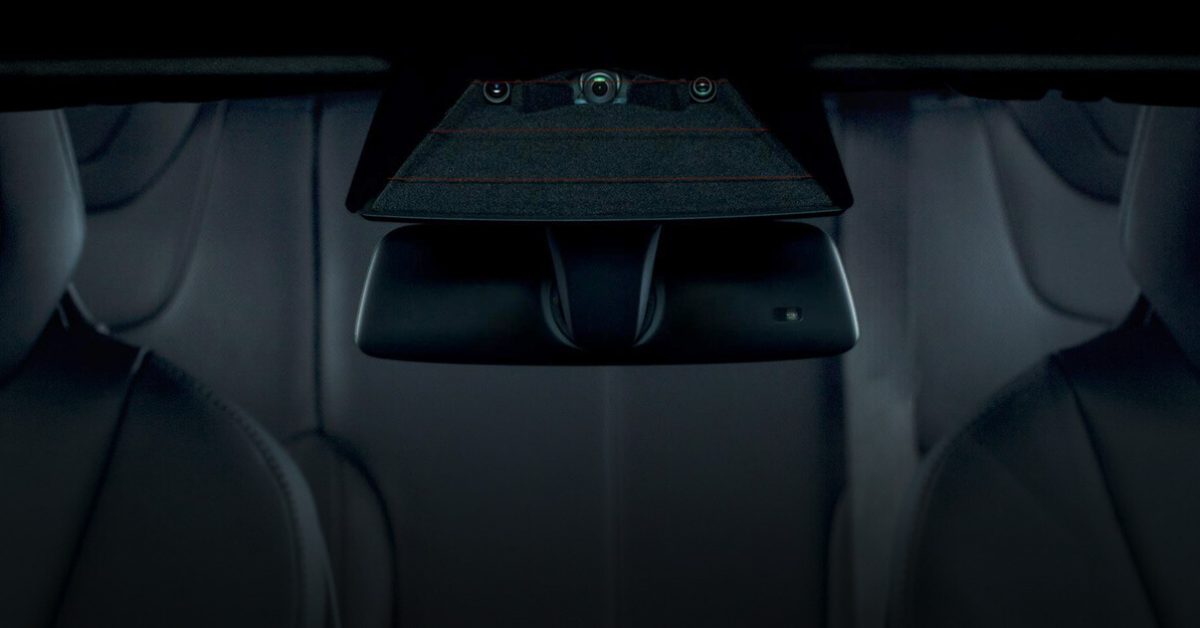
Tesla Full Self-Driving Update Issues False Camera Alerts
Tesla's latest Full Self-Driving update, version 14.3.9, is erroneously alerting owners that their…
1d ago
Mercedes-Benz Partners with Wayve for AI Driver Integration in Future Vehicles
Mercedes-Benz has finalized a production agreement with Wayve, a British self-driving startup, to…
1d ago
Tesla Cybercab Faces Navigation Issues Similar to Existing Tesla Models
Tesla's new Cybercab robotaxis are reportedly experiencing navigation problems, taking unusual…
2d ago