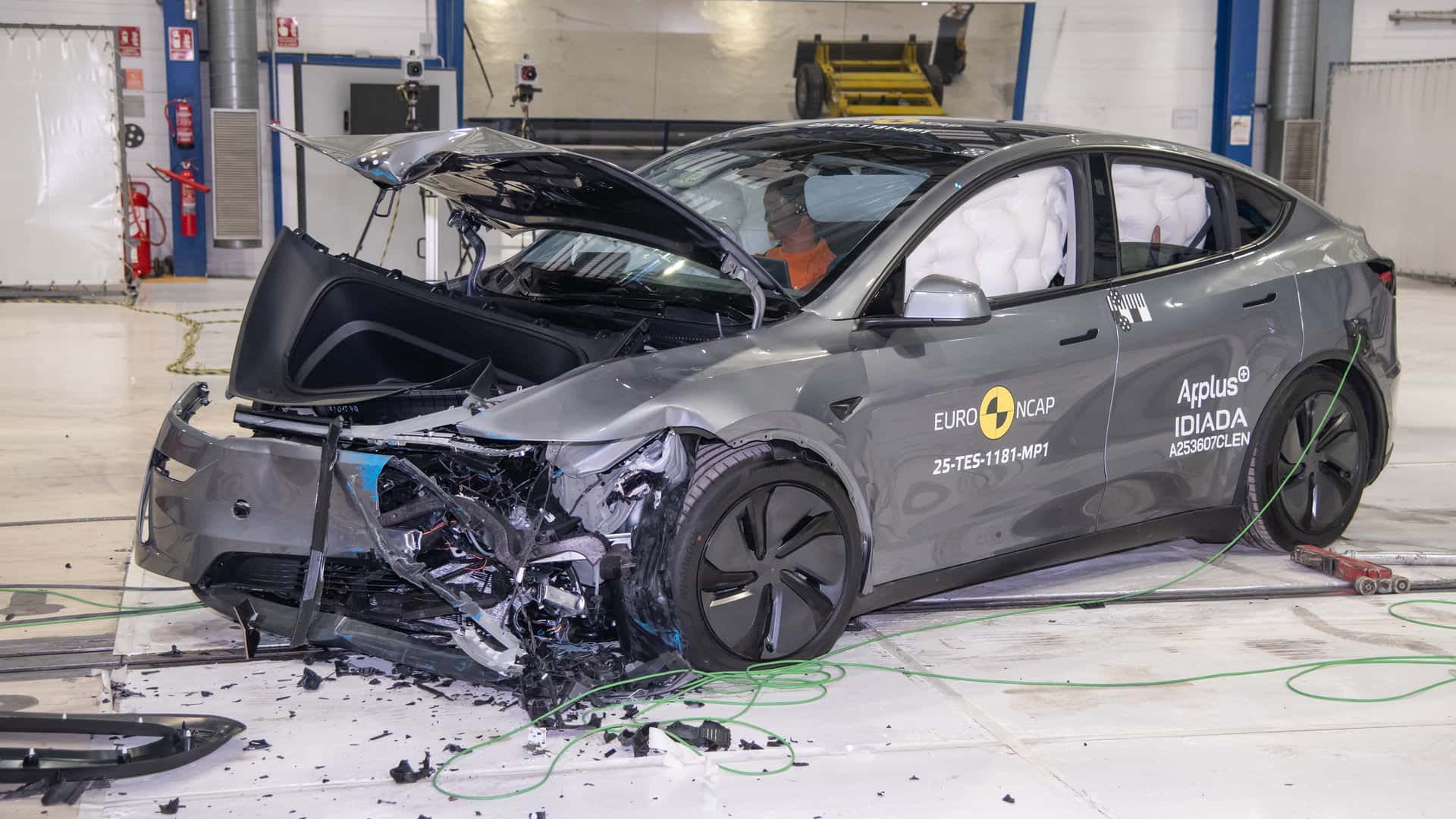
Insurance Costs for EVs Remain Higher Than Gas Vehicles, But Trends Are Shifting
Updated June 8, 2026
3 min read
1 linked source
Currently, newer electric vehicles (EVs) cost approximately 18% more to insure compared to gasoline vehicles. This trend is gradually changing as the insurance landscape evolves. However, potential buyers and owners should remain aware of the ongoing cost disparities.
Share this story
Why it matters
- ✓Higher insurance costs can significantly impact the overall ownership expenses for EV buyers.
- ✓Understanding insurance pricing trends may help consumers make more informed decisions when purchasing an EV.
- ✓As insurance costs potentially decrease, EVs may become more financially accessible to a broader range of buyers.
Reporting notes
EV Signal briefs are written to explain the verified change first, then add the context EV buyers and owners need to understand cost, availability, charging access, eligibility, or ownership impact.
If details are still developing, we try to say what is confirmed, what comes from secondary reporting, and what readers should verify before acting.
Source mix
1 linked source
1 media
Reviewed from: InsideEVs.
Insurance Costs for EVs Remain Higher Than Gas Vehicles, But Trends Are Shifting
New electric vehicles (EVs) are currently about 18% more expensive to insure than their gasoline counterparts. This disparity in insurance costs is a significant factor for potential buyers and current owners, influencing the overall cost of EV ownership. However, the insurance landscape is evolving, and these costs may begin to change in the near future.
What Changed
According to a report from InsideEVs, the insurance premiums for newer EVs are notably higher than those for traditional gas vehicles. This 18% difference highlights the ongoing challenges that EV buyers face when considering the total cost of ownership. While the insurance market is beginning to adapt to the growing EV segment, the current rates still reflect a premium that many consumers must account for in their budgets.
Why It Matters for Buyers and Owners
The higher insurance costs associated with EVs can have several implications for consumers:
- Impact on Overall Ownership Costs: The increased insurance premiums contribute to the overall expenses of owning an EV, which may deter some buyers from making the switch from gas vehicles.
- Informed Decision-Making: Understanding the reasons behind the higher insurance costs can help potential buyers weigh their options more effectively, considering both the upfront and ongoing costs of ownership.
- Future Accessibility: As insurance rates potentially decrease, EVs may become more financially accessible, encouraging more consumers to consider electric options.
Key Details from Source Material
The report from InsideEVs indicates that the higher insurance costs for EVs are attributed to several factors, including the higher repair costs associated with electric vehicles and the relatively new market dynamics surrounding them. As the technology matures and more data becomes available, insurers may adjust their pricing models, potentially leading to lower premiums for EVs in the future.
What to Watch Next
As the EV market continues to grow, it will be essential for consumers to keep an eye on developments in insurance pricing. Factors to consider include:
- Changes in the insurance industry's approach to EVs as they become more mainstream.
- Legislative or regulatory changes that may impact insurance costs for electric vehicles.
- Innovations in EV technology that could affect repair costs and, consequently, insurance premiums.
In conclusion, while the current insurance landscape presents challenges for EV buyers and owners, there is potential for change. Keeping informed about these trends will be crucial for anyone considering an electric vehicle in the future.
Sources
These are the documents and reports used to build this brief so readers can verify the story directly.
- It's Still Way More Expensive To Insure An EV. But That's Changing — InsideEVsMEDIA
Comments
Log in with
Loading comments…
More in Ownership
Tesla's Lawyers Misled Witness in Racism Trial
Tesla's ongoing racism trial in California has faced significant setbacks as it was revealed that a…
18h ago
Rivian R2 Faces First Recall Due to Camera Issue
Rivian has issued a recall affecting nearly 99,000 vehicles, including some of its new R2 models,…
18h ago
BMW iX3 Outperforms Mercedes GLC and Volvo EX60 in Highway Efficiency Test
In a recent highway test, the BMW iX3 demonstrated superior energy efficiency and range compared to…
1d ago
PHEV Batteries Show Resilience Despite Frequent Cycling
Plug-in hybrid electric vehicles (PHEVs) experience more frequent battery cycling than fully…
1d ago