
Indigenous Peoples’ Day 2026: Celebrations of Respect

Edited by Ionna Brakeley
Charging & Ownership
Updated October 13, 2026
3 min read
1 linked source
Indigenous Peoples’ Day, first proclaimed by President Joe Biden in 2021, will be celebrated in 2026 with a focus on honoring the rights and dignity of Indigenous peoples. The day serves as a reminder of the historical injustices faced by these communities and emphasizes the importance of climate sovereignty. The celebrations aim to raise awareness about the ongoing challenges Indigenous peoples face, particularly in relation to environmental issues.
Share this story
Why it matters
- ✓Indigenous Peoples’ Day raises awareness about environmental justice, which can influence policies affecting EV infrastructure and sustainability.
- ✓Celebrations may lead to increased support for Indigenous-led environmental initiatives, potentially impacting the availability of eco-friendly charging stations.
- ✓A focus on climate sovereignty could encourage more sustainable practices in the automotive industry, affecting the overall cost and accessibility of EVs.
Indigenous Peoples’ Day 2026: Celebrations of Respect
Indigenous Peoples’ Day, which was officially recognized by President Joe Biden in 2021, will be celebrated in 2026 with a renewed focus on honoring the rights and dignity of Indigenous peoples. This day serves as a significant reminder of the historical injustices faced by these communities, particularly in relation to colonization and environmental degradation. The celebrations aim to raise awareness about the ongoing challenges Indigenous peoples encounter, especially regarding climate sovereignty.
What Changed
The recognition of Indigenous Peoples’ Day has evolved since its inception, with increasing emphasis on the rights of Indigenous communities and their connection to the land. In 2026, the celebrations will not only honor Indigenous cultures but also highlight the importance of climate sovereignty, which refers to the rights of Indigenous peoples to govern their own lands and resources in a sustainable manner. This shift in focus reflects a growing acknowledgment of the role that Indigenous communities play in environmental stewardship and climate action.
Why It Matters for Buyers and Owners
The implications of Indigenous Peoples’ Day for electric vehicle (EV) buyers and owners are multifaceted:
- Environmental Justice Awareness: The day raises awareness about environmental justice, which can influence policies that affect EV infrastructure and sustainability. As more people recognize the importance of equitable access to clean energy, there may be increased support for initiatives that prioritize marginalized communities.
- Support for Indigenous-Led Initiatives: Celebrations may lead to greater support for Indigenous-led environmental initiatives, potentially impacting the availability of eco-friendly charging stations and resources that cater to EV users. This could enhance the overall charging network and make it more accessible.
- Sustainable Practices in the Automotive Industry: A focus on climate sovereignty could encourage more sustainable practices within the automotive industry, which may ultimately affect the cost and accessibility of EVs. As manufacturers adopt more environmentally friendly practices, this could lead to a decrease in ownership costs for consumers.
Key Details from Source Material
According to CleanTechnica, President Biden's proclamation of Indigenous Peoples’ Day was a significant step toward recognizing the rights and dignity of Indigenous peoples in the United States. The day serves as a platform for acknowledging the historical injustices faced by these communities and emphasizes the need for climate sovereignty. The celebrations in 2026 are expected to reflect these themes, highlighting the importance of Indigenous voices in the fight against climate change and environmental degradation.
What to Watch Next
As Indigenous Peoples’ Day approaches in 2026, it will be important to monitor how the celebrations influence public discourse around environmental justice and Indigenous rights. Additionally, keep an eye on any emerging policies or initiatives that may arise from these celebrations, particularly those that could impact EV infrastructure and sustainability efforts. The ongoing dialogue surrounding climate sovereignty may also lead to new partnerships between Indigenous communities and the automotive industry, which could shape the future of EV ownership and access.
Sources
These are the documents and reports used to build this brief so readers can verify the story directly.
- Indigenous Peoples’ Day 2026: Celebrations Of Respect — CleanTechnicaMEDIA
Reporting notes
EV Signal briefs are written to explain the verified change first, then add the context EV buyers and owners need to understand cost, availability, charging access, eligibility, or ownership impact.
If details are still developing, we try to say what is confirmed, what comes from secondary reporting, and what readers should verify before acting.
Source mix
1 linked source
1 media
Reviewed from: CleanTechnica.
Comments
Log in with
Loading comments…
More in Ownership

Pebble Enhances 2027 Flow with Microgrid Capabilities
Pebble has upgraded its 2027 Flow fifth-wheel model to function as a microgrid, allowing users to…
2h ago

Tesla Ordered to Pay $162,000 for Model X Fire in Montreal Case
A Quebec court has ordered Tesla Canada to pay C$161,700 to cover damages related to a Model X fire…
2h ago
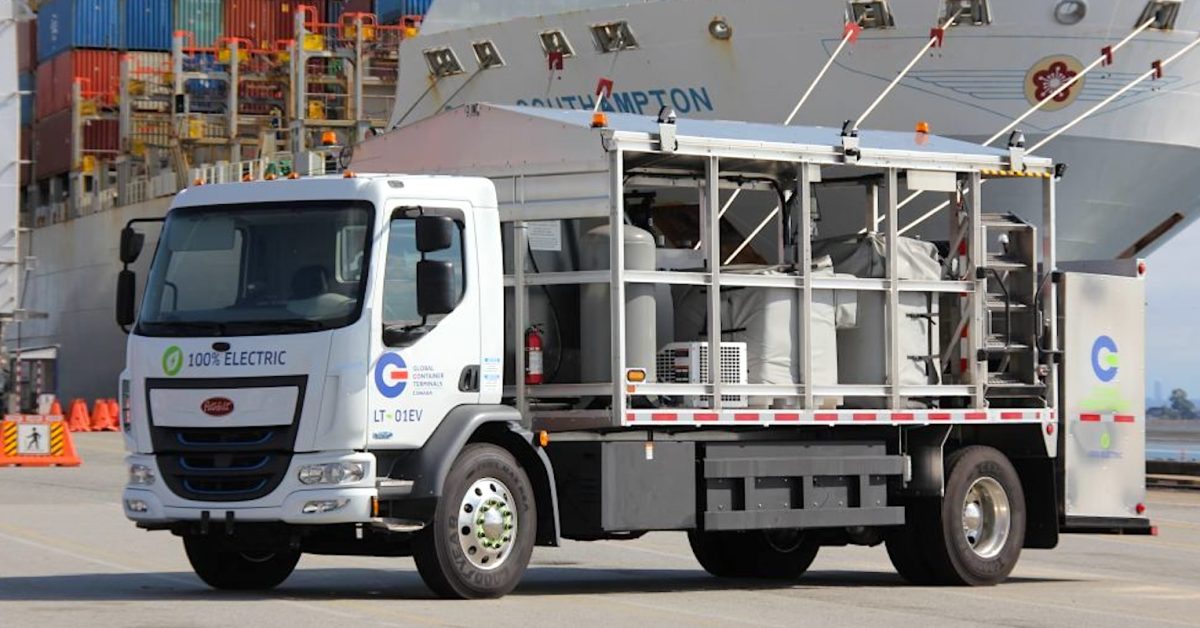
Electric Trucks Implemented at Major Canadian Port Using Hydro Power
Peterbilt's battery-powered box vans are now operational at one of Canada's busiest container…
8h ago

NHTSA Considers Investigation into Tesla Robotaxis Speeding in School Zones
The National Highway Traffic Safety Administration (NHTSA) is reviewing a defect petition alleging…
8h ago