
Impact of Trump's Protectionism on EV Subsidies
Updated March 11, 2026
5 min read
1 linked source
The article discusses the implications of Trump's protectionist policies on the electric vehicle (EV) market, particularly in relation to government subsidies. It highlights how these policies may affect the financial landscape for EV manufacturers and consumers. However, the details on specific impacts on EV buyers or owners are limited.
Share this story
Why it matters
- ✓Potential changes in EV pricing due to tariffs could affect the affordability of electric vehicles for consumers.
- ✓Subsidy dynamics may shift, influencing the incentives available for EV buyers, which could impact purchase decisions.
- ✓Protectionist measures may lead to a decrease in competition, affecting the variety and innovation in the EV market.
Reporting notes
EV Signal briefs are written to explain the verified change first, then add the context EV buyers and owners need to understand cost, availability, charging access, eligibility, or ownership impact.
If details are still developing, we try to say what is confirmed, what comes from secondary reporting, and what readers should verify before acting.
Source mix
1 linked source
1 media
Reviewed from: CleanTechnica.
Introduction
The electric vehicle (EV) market has been a focal point of innovation and growth in recent years, driven by advancements in technology, increasing environmental awareness, and supportive government policies. However, the landscape of EV subsidies and the overall market dynamics have been significantly influenced by the protectionist policies implemented during Donald Trump's presidency. This article explores the implications of these protectionist measures on EV subsidies, the financial landscape for manufacturers and consumers, and the potential consequences for the future of electric mobility.
Understanding Trump's Protectionism
Trump's protectionist policies primarily revolved around imposing tariffs on imported goods, aimed at bolstering American manufacturing and reducing trade deficits. While these measures were intended to protect domestic industries, they also had far-reaching effects on various sectors, including the EV market. Tariffs on imported components, such as batteries and electric drivetrains, can increase production costs for manufacturers who rely on foreign suppliers. This, in turn, can lead to higher prices for consumers, potentially stalling the growth of the EV market.
Tariffs and Their Impact on EV Manufacturing
The imposition of tariffs on imported goods can create a ripple effect throughout the supply chain. For EV manufacturers, many of whom source critical components from overseas, these tariffs can result in increased production costs. A report from CleanTechnica highlights that while some domestic manufacturers may benefit from reduced competition, the overall impact on the EV market could be detrimental. Higher production costs may lead to increased vehicle prices, which could deter potential buyers and slow the transition to electric mobility.
Moreover, the reliance on foreign suppliers for essential components means that manufacturers must navigate a complex landscape of tariffs and trade regulations. This uncertainty can hinder investment in new technologies and innovations, as companies may be hesitant to commit resources in a volatile environment.
The Role of Subsidies in the EV Market
Government subsidies have played a crucial role in promoting the adoption of electric vehicles. These incentives help offset the higher upfront costs associated with EVs, making them more accessible to consumers. However, the protectionist policies enacted during Trump's presidency have the potential to disrupt this delicate balance.
Changes in Subsidy Dynamics
As tariffs increase production costs, manufacturers may find it challenging to maintain competitive pricing while also offering attractive subsidies. If the financial strain becomes too great, manufacturers may be forced to reduce the incentives they provide to consumers. This could lead to a decrease in the overall affordability of electric vehicles, making it more difficult for consumers to make the switch from traditional gasoline-powered vehicles.
Additionally, the shifting dynamics of subsidies may influence the types of vehicles that manufacturers prioritize. If companies are unable to offer substantial incentives for certain models, they may focus on producing higher-end vehicles that yield greater profit margins, potentially neglecting more affordable options for consumers. This could exacerbate existing inequalities in access to electric mobility, particularly for lower-income individuals who may not be able to afford higher-priced EVs.
Implications for Consumers
The implications of Trump's protectionist policies on EV subsidies extend directly to consumers. As tariffs increase production costs and potentially lead to reduced subsidies, the affordability of electric vehicles may be at risk. This could have several consequences for potential buyers and current EV owners.
Affordability and Accessibility
One of the primary barriers to widespread EV adoption has been the higher upfront costs associated with these vehicles. While federal and state subsidies have helped mitigate this issue, any reduction in these incentives could make EVs less accessible to a broader audience. For many consumers, the decision to purchase an electric vehicle is heavily influenced by the availability of subsidies. If these financial incentives diminish, potential buyers may be less inclined to invest in an EV, opting instead for more affordable gasoline-powered options.
Impact on Purchase Decisions
The financial landscape for consumers is intricately linked to the availability of subsidies. If tariffs lead to increased vehicle prices and reduced incentives, consumers may need to reevaluate their purchase decisions. For some, the prospect of owning an electric vehicle may become less appealing if the financial benefits are diminished. This could slow the momentum of EV adoption, which is critical for achieving broader environmental goals.
Competition and Innovation
Protectionist measures can also lead to a decrease in competition within the EV market. By imposing tariffs on foreign manufacturers, the domestic market may become less competitive, resulting in fewer choices for consumers. A reduction in competition can stifle innovation, as manufacturers may have less incentive to invest in new technologies or improve existing models. This stagnation could ultimately hinder the progress of the EV industry, limiting the variety of options available to consumers and slowing advancements in battery technology and vehicle performance.
Conclusion
The impact of Trump's protectionism on EV subsidies presents a complex landscape for manufacturers and consumers alike. While the intention behind these policies may have been to bolster American manufacturing, the unintended consequences could hinder the growth of the electric vehicle market. As tariffs increase production costs and potentially reduce subsidies, the affordability and accessibility of electric vehicles may be at risk.
For consumers, the implications are significant. A decrease in financial incentives could alter purchase decisions, slow the momentum of EV adoption, and limit competition and innovation within the market. As the world continues to shift towards sustainable transportation solutions, it is crucial to consider the broader implications of protectionist policies on the future of electric mobility. The EV market's success depends on a delicate balance of incentives, competition, and innovation, and any disruption to this balance could have lasting effects on the transition to a cleaner, more sustainable future.
Sources
These are the documents and reports used to build this brief so readers can verify the story directly.
- Profiting From Subsidies While Proliferating Trump’s Protectionism — CleanTechnicaMEDIA
Comments
Log in with
Loading comments…
More in Incentives
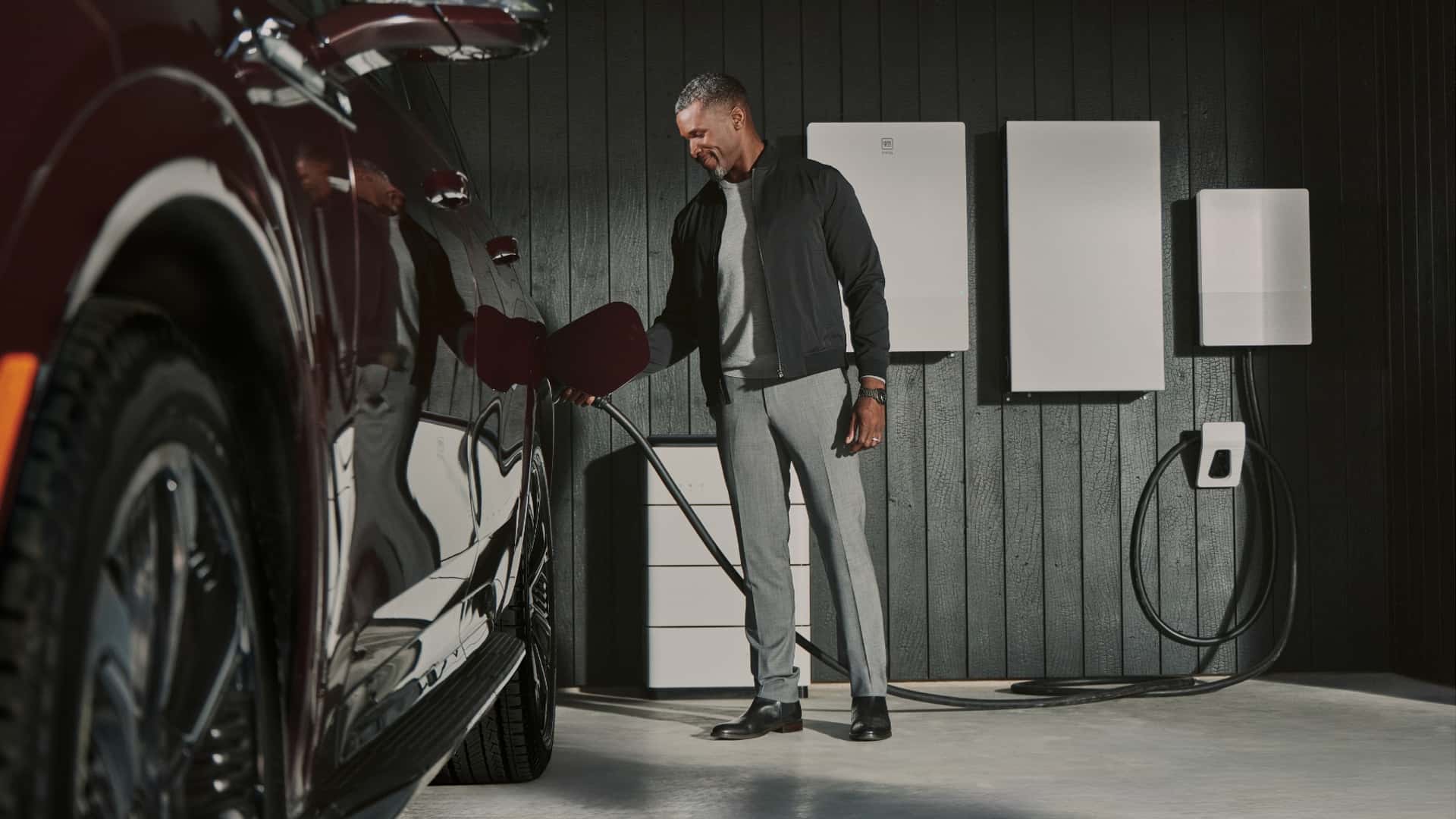
GM Offers Free EV Chargers and Incentives for New Owners
General Motors (GM) is providing customers with a free Level 2 home charger valued at $1,999, along…
Just now
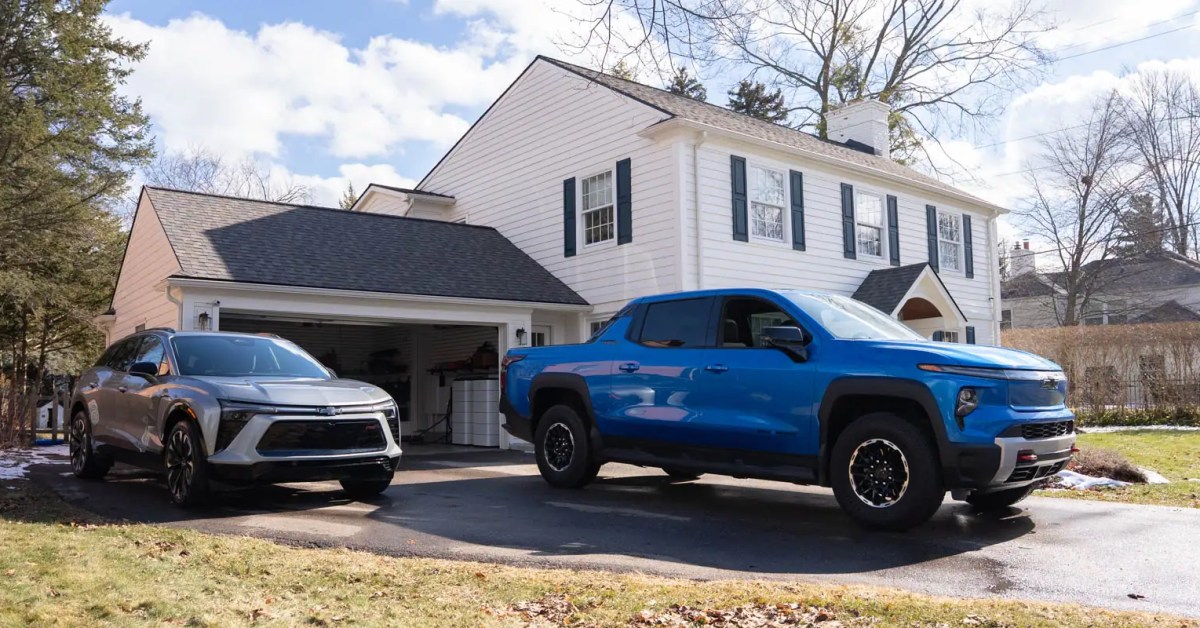
GM and PG&E Offer Free Charger and Incentives for New EV Buyers in California
General Motors (GM) and Pacific Gas and Electric (PG&E) have launched a new initiative for buyers…
18h ago
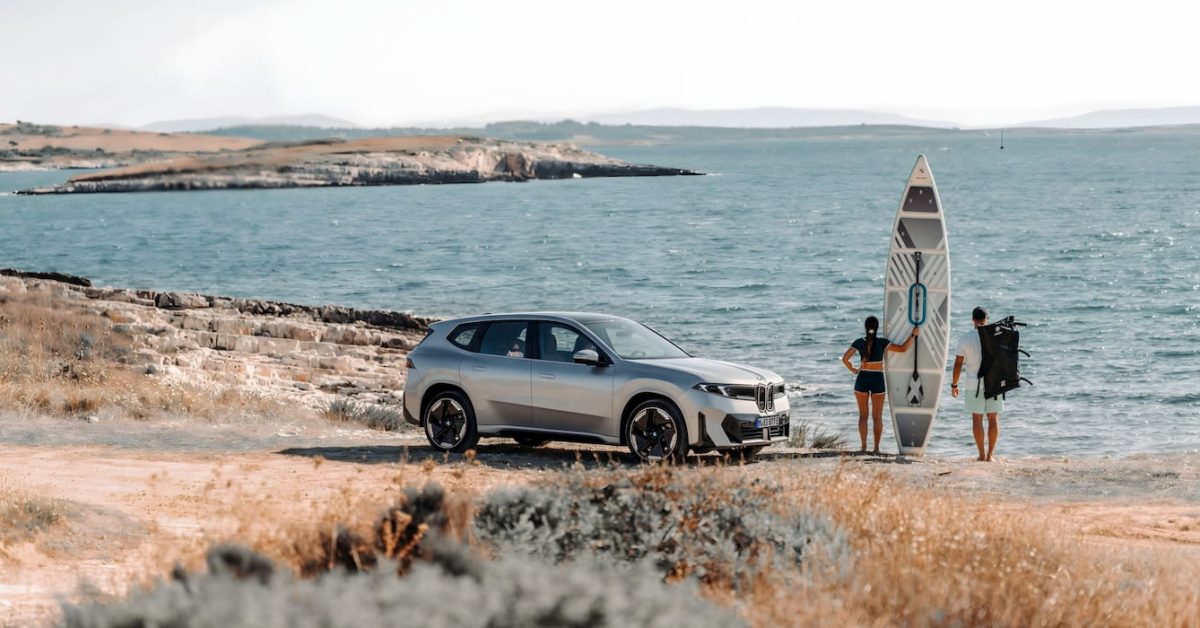
BMW Offers Early Loyalty Discount on 2027 iX3
BMW is introducing an early loyalty discount for the newly released 2027 iX3 to encourage existing…
1d ago
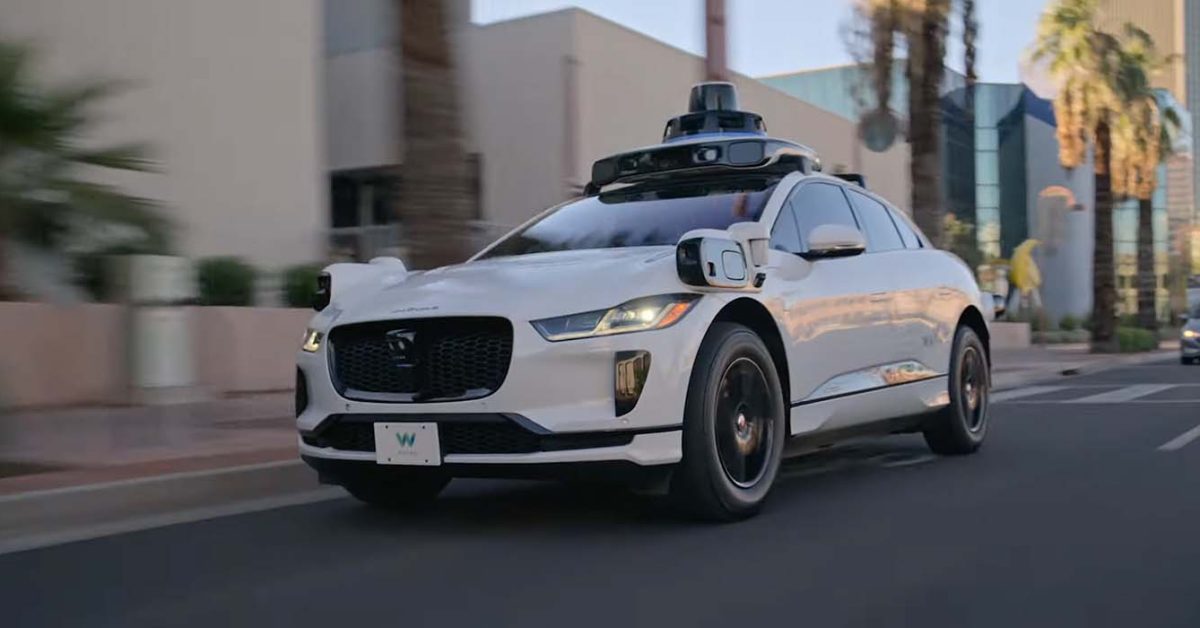
Waymo Offers $2.85 Credit for Public Transit Pairing
Waymo has expanded its pilot program to offer riders a $2.85 credit when they pair a ride with…
1d ago