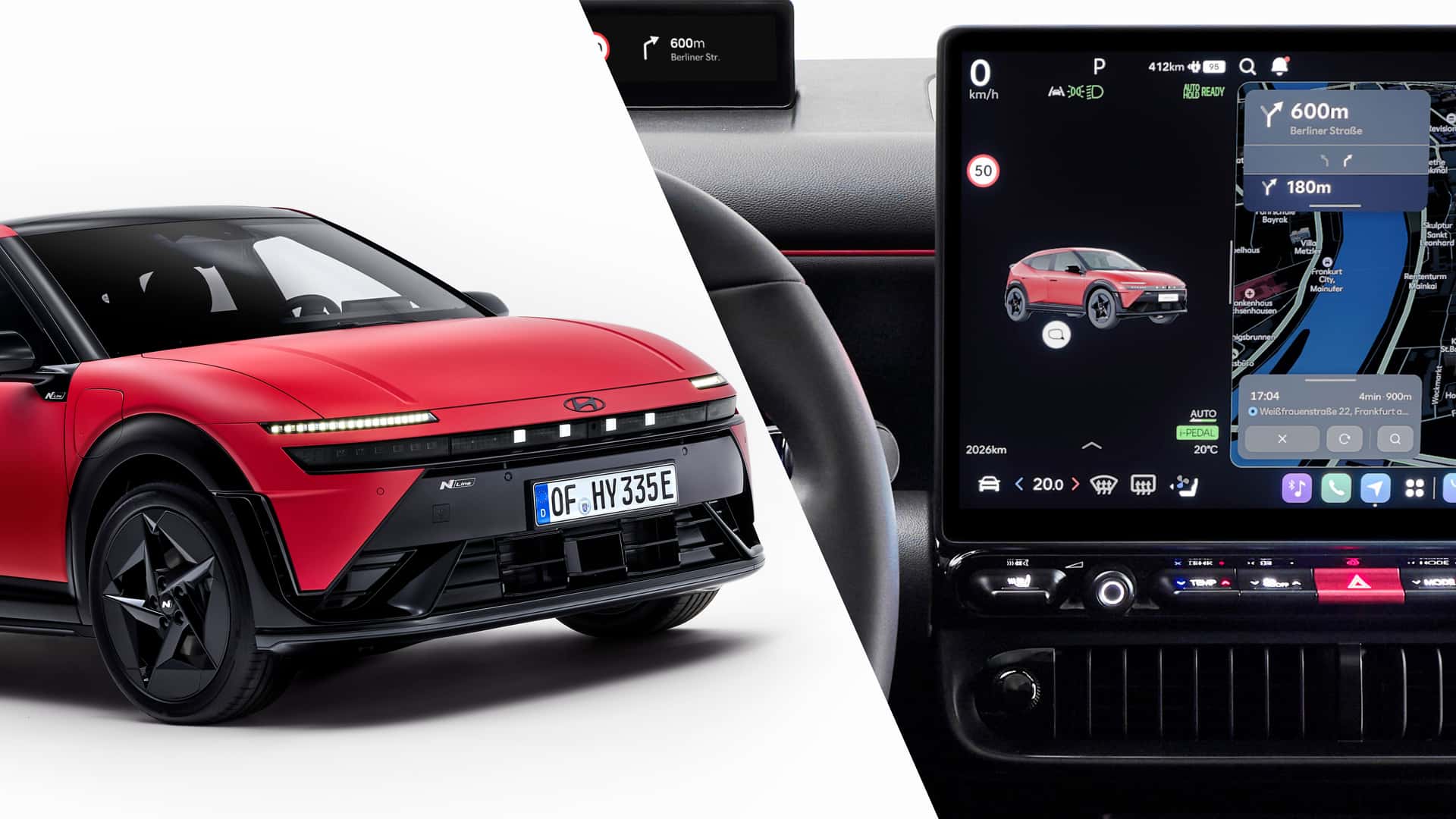
Hyundai Introduces New 'Pleos' Operating System with Physical Buttons
Updated April 20, 2026
3 min read
1 linked source
Hyundai has launched its new 'Pleos' operating system, debuting on the Ioniq 3. This software is set to be integrated into more Hyundai models in the near future, featuring a design that includes physical buttons, a departure from the trend of touch-only interfaces. Details on the full rollout and specific model compatibility are still forthcoming.
Share this story
Why it matters
- ✓The introduction of physical buttons may enhance user experience for those who prefer tactile controls over touchscreens.
- ✓The Pleos OS aims to improve overall vehicle functionality, potentially leading to better performance and usability for Hyundai EV owners.
- ✓As the software expands to more models, it could influence purchasing decisions for buyers looking for user-friendly technology in their EVs.
Reporting notes
EV Signal briefs are written to explain the verified change first, then add the context EV buyers and owners need to understand cost, availability, charging access, eligibility, or ownership impact.
If details are still developing, we try to say what is confirmed, what comes from secondary reporting, and what readers should verify before acting.
Source mix
1 linked source
1 media
Reviewed from: InsideEVs.
Hyundai's New 'Pleos' Operating System
Hyundai has officially unveiled its new 'Pleos' operating system, which made its debut on the Ioniq 3. This innovative software is designed to enhance the user experience in Hyundai vehicles by incorporating physical buttons alongside digital interfaces, a notable shift from the increasingly common touch-only controls seen in many modern vehicles.
What Changed
The Pleos operating system represents a significant evolution in Hyundai's approach to vehicle software. Unlike previous models that relied heavily on touchscreen interfaces, the inclusion of physical buttons aims to provide drivers with a more intuitive and accessible way to interact with their vehicles. This change is particularly relevant for users who may find touchscreens less practical while driving.
Why It Matters for Buyers and Owners
The introduction of the Pleos OS is likely to have several implications for current and prospective Hyundai EV owners:
- Enhanced User Experience: The combination of physical buttons and digital controls may improve usability, making it easier for drivers to access essential functions without taking their eyes off the road.
- Potential for Improved Functionality: As the Pleos OS rolls out to more models, it is expected to enhance vehicle performance and features, which could lead to a more satisfying ownership experience.
- Influence on Purchasing Decisions: For buyers evaluating different EV options, the Pleos OS may be a deciding factor, particularly for those who prioritize user-friendly technology in their vehicles.
Key Details from Source Material
According to InsideEVs, the Pleos operating system has already debuted on the Ioniq 3, with plans for broader integration across Hyundai's lineup in the near future. While specific details about which models will receive the Pleos OS and the timeline for its rollout are still unclear, the initial reception suggests that the physical button feature is a welcome addition for many drivers.
What to Watch Next
As Hyundai continues to develop and expand the Pleos operating system, it will be important to monitor announcements regarding its availability in additional models. Buyers should keep an eye out for updates on which specific vehicles will feature this new software and any enhancements that may accompany its rollout. Additionally, feedback from early adopters of the Ioniq 3 will provide valuable insights into the effectiveness and practicality of the Pleos OS in real-world driving conditions.
In summary, Hyundai's Pleos operating system marks a significant step forward in the integration of user-friendly technology in EVs, with the potential to reshape the driving experience for many owners.
Sources
These are the documents and reports used to build this brief so readers can verify the story directly.
Comments
Log in with
Loading comments…
More in Software
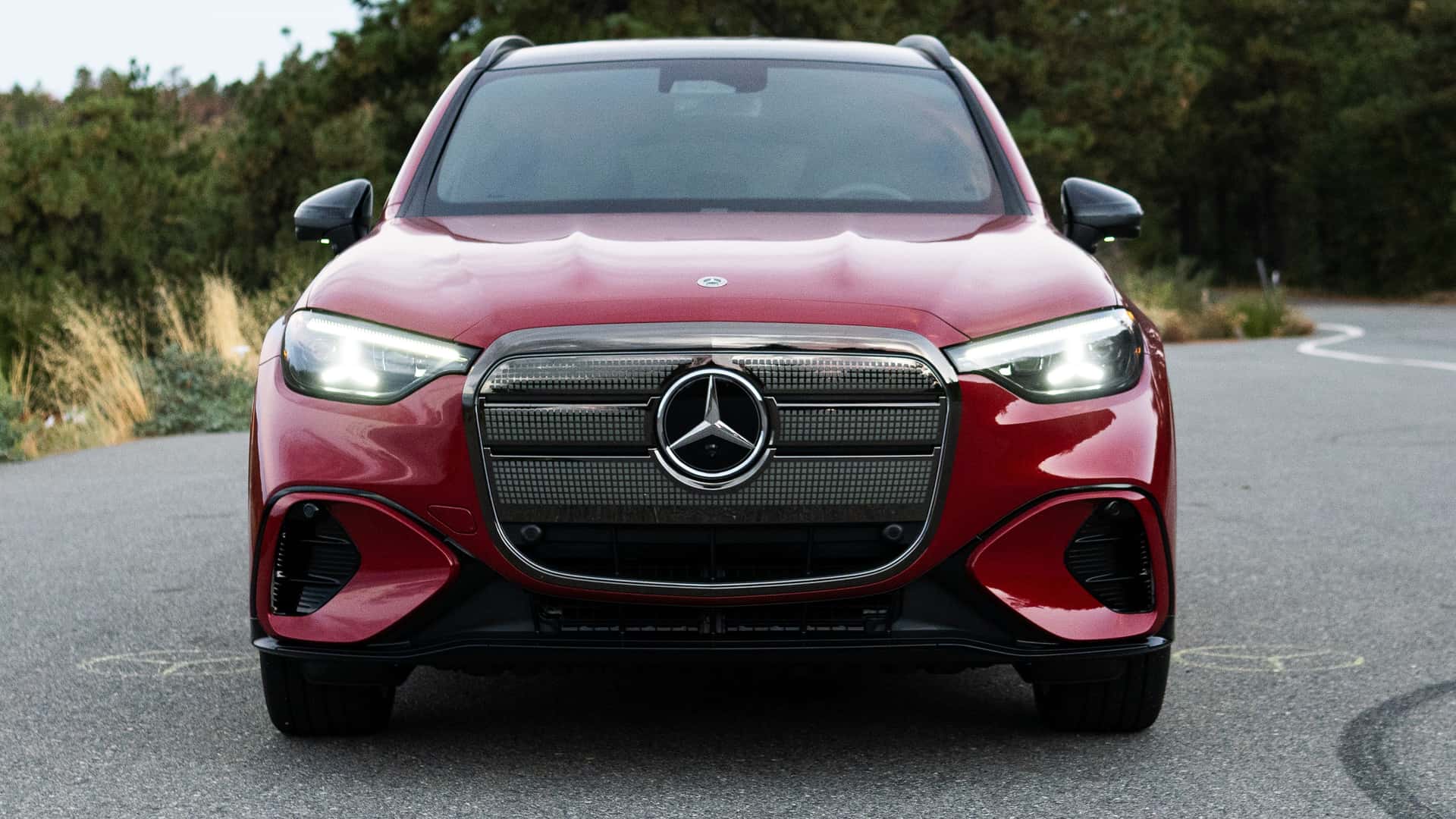
Mercedes Partners with Wayve for Advanced Driver Assistance System
Mercedes-Benz has announced a collaboration with Wayve to develop a driver assistance system…
1d ago
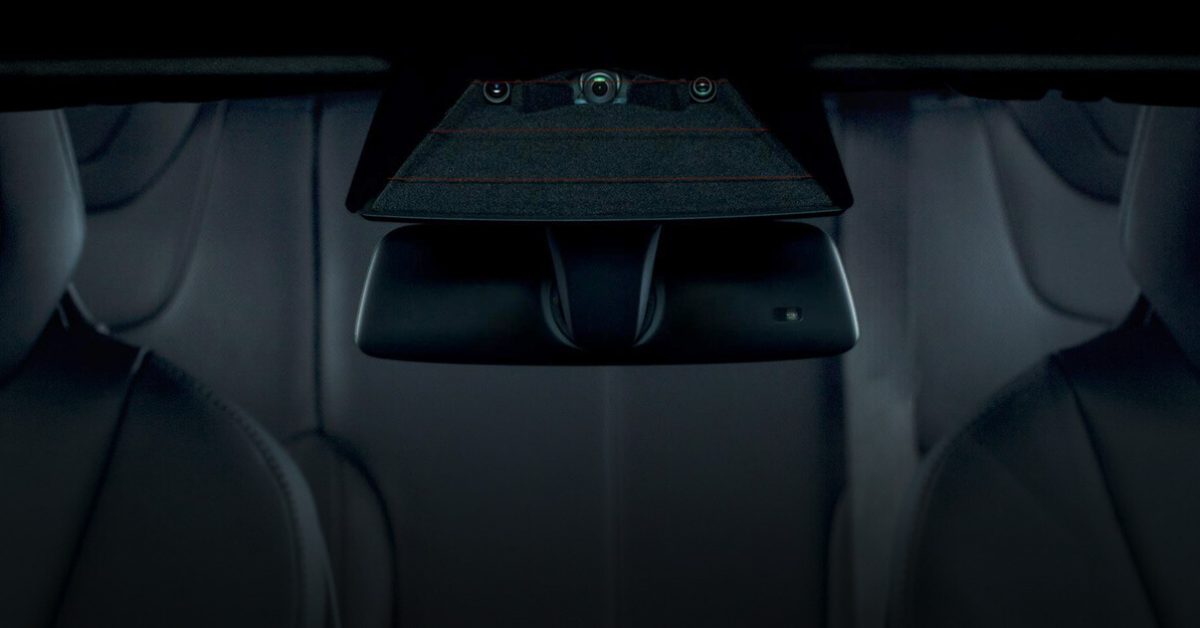
Tesla Full Self-Driving Update Issues False Camera Alerts
Tesla's latest Full Self-Driving update, version 14.3.9, is erroneously alerting owners that their…
1d ago

Mercedes-Benz Partners with Wayve for AI Driver Integration in Future Vehicles
Mercedes-Benz has finalized a production agreement with Wayve, a British self-driving startup, to…
1d ago

Tesla Cybercab Faces Navigation Issues Similar to Existing Tesla Models
Tesla's new Cybercab robotaxis are reportedly experiencing navigation problems, taking unusual…
2d ago