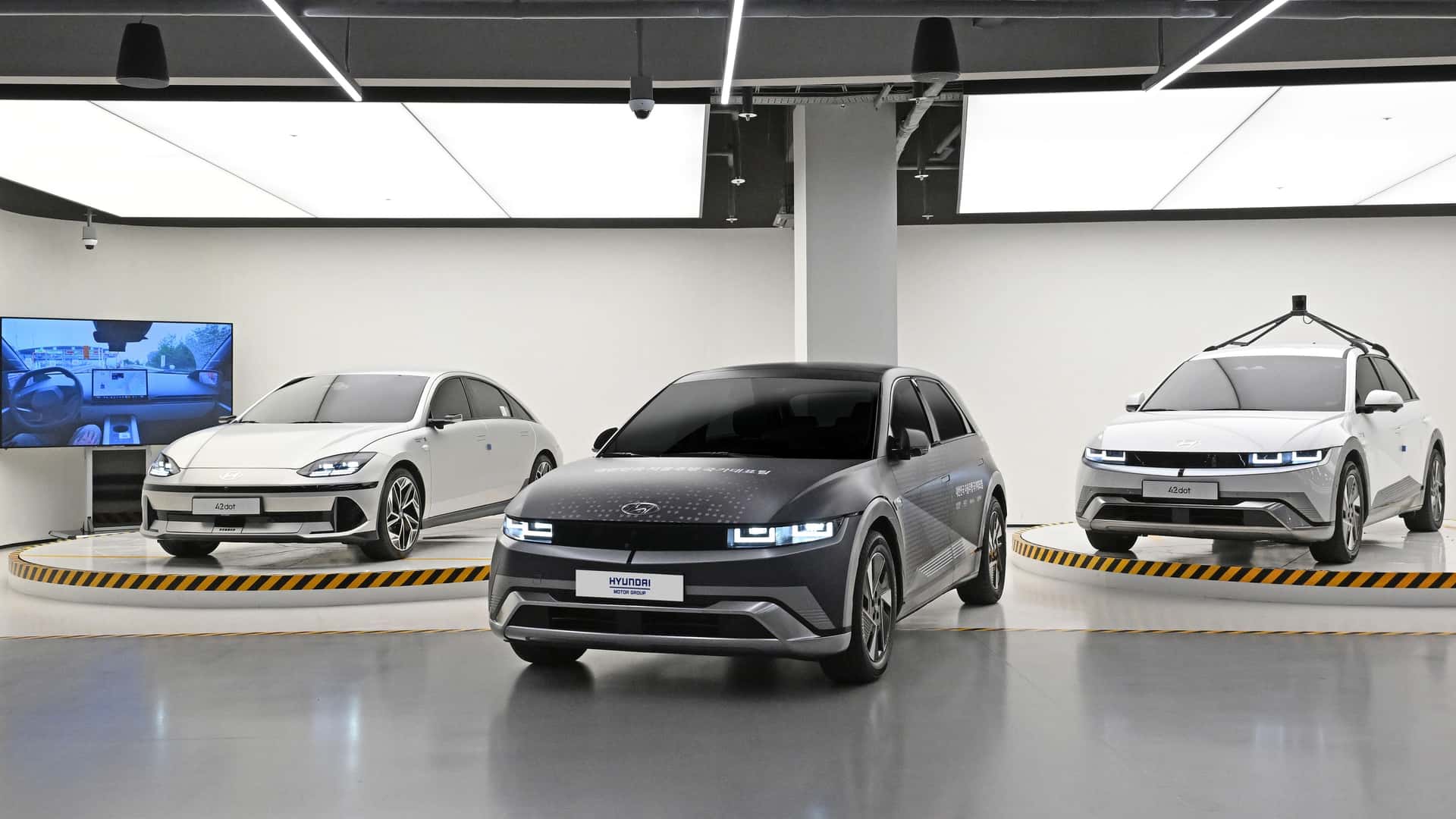
Hyundai Delays In-House ADAS Launch to 2029
Updated September 14, 2026
3 min read
1 linked source
Hyundai has announced that its advanced driver-assistance system (ADAS), intended to rival Tesla's Full Self-Driving (FSD) technology, will not be available until 2029. The company opted to delay the launch to avoid releasing a subpar 'Level 2++' system. This decision impacts future Hyundai EV buyers who are looking for advanced autonomous driving features.
Share this story
Why it matters
- ✓The delay means Hyundai EV buyers will have to wait longer for advanced autonomous driving capabilities, which could affect their purchasing decisions.
- ✓Current Hyundai models will not feature the anticipated advanced ADAS until 2029, limiting options for those seeking cutting-edge technology.
- ✓Potential buyers may consider alternative brands that offer more immediate solutions for advanced driving assistance.
Reporting notes
EV Signal briefs are written to explain the verified change first, then add the context EV buyers and owners need to understand cost, availability, charging access, eligibility, or ownership impact.
If details are still developing, we try to say what is confirmed, what comes from secondary reporting, and what readers should verify before acting.
Source mix
1 linked source
1 media
Reviewed from: InsideEVs.
Hyundai Delays In-House ADAS Launch to 2029
Hyundai has confirmed that its in-house advanced driver-assistance system (ADAS), which aims to compete with Tesla's Full Self-Driving (FSD) technology, will not be available until 2029. The automaker made this decision to avoid rushing a product that it deemed would be a 'middling Level 2++' system. This delay raises important considerations for prospective Hyundai EV buyers who are looking for advanced autonomous driving features.
What Changed
Hyundai's announcement marks a significant shift in its timeline for releasing a competitive ADAS. Initially, there may have been expectations for an earlier rollout, but the company has chosen to prioritize quality over speed. By delaying the launch, Hyundai aims to ensure that its system meets higher standards rather than introducing a less effective version to the market.
Why It Matters for Buyers/Owners
The delay in Hyundai's ADAS launch has several implications for current and future EV buyers:
- Longer Wait for Advanced Features: Buyers looking for advanced autonomous driving capabilities will have to wait until 2029, which may influence their purchasing decisions.
- Limited Current Options: Existing Hyundai models will not include the anticipated advanced ADAS, limiting choices for consumers who prioritize cutting-edge technology in their vehicles.
- Market Competition: With the delay, potential buyers may explore alternatives from other manufacturers that offer more immediate solutions for advanced driving assistance, potentially impacting Hyundai's market share.
Key Details from Source Material
According to InsideEVs, Hyundai's decision to delay its ADAS is rooted in a desire to avoid delivering a subpar product. The company specifically referenced concerns about launching a 'middling Level 2++' system, which would not meet the expectations set by competitors like Tesla. This indicates that Hyundai is taking a cautious approach to ensure that its technology is robust and competitive upon release.
What to Watch Next
As Hyundai works towards its 2029 launch, it will be important to monitor any updates regarding the development of its ADAS technology. Key areas to watch include:
- Progress Updates: Any announcements from Hyundai regarding advancements in their ADAS technology or changes to the timeline.
- Market Reactions: How consumers and competitors respond to Hyundai's delay, particularly in terms of sales and market positioning.
- Technological Developments: Innovations in autonomous driving technology from other manufacturers that may influence Hyundai's strategy moving forward.
In conclusion, while Hyundai's decision to delay its ADAS launch may be disappointing for some EV buyers, it reflects a commitment to quality and competitiveness in the rapidly evolving landscape of autonomous driving technology.
Sources
These are the documents and reports used to build this brief so readers can verify the story directly.
Comments
Log in with
Loading comments…
More in Software
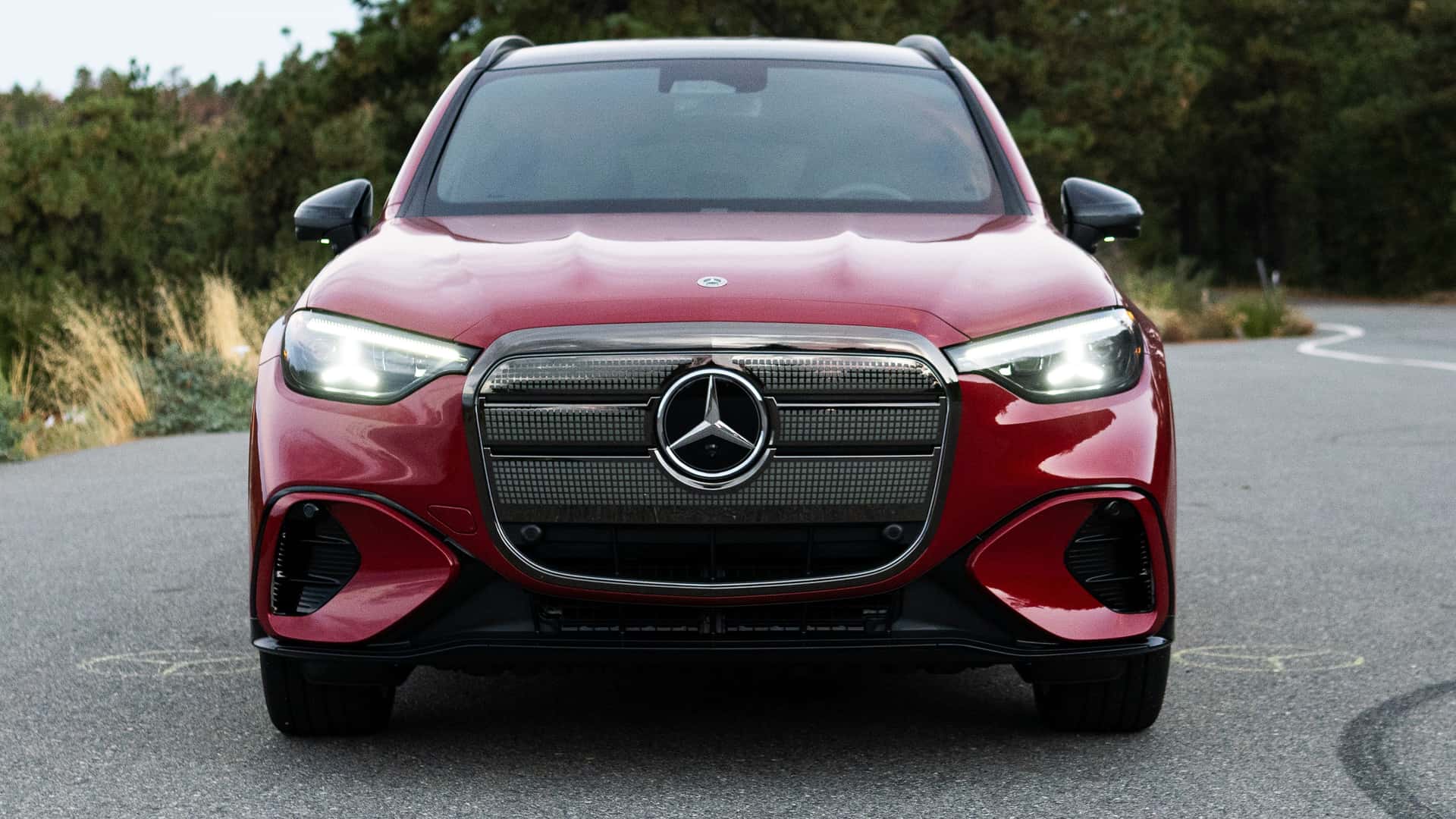
Mercedes Partners with Wayve for Advanced Driver Assistance System
Mercedes-Benz has announced a collaboration with Wayve to develop a driver assistance system…
1d ago
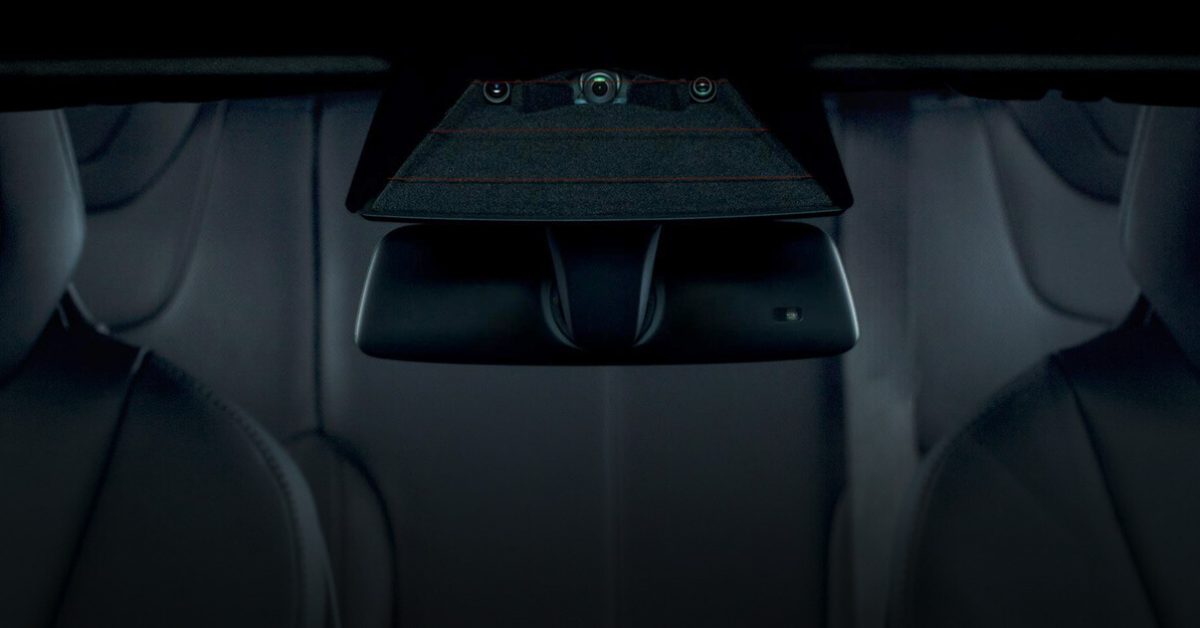
Tesla Full Self-Driving Update Issues False Camera Alerts
Tesla's latest Full Self-Driving update, version 14.3.9, is erroneously alerting owners that their…
1d ago
Mercedes-Benz Partners with Wayve for AI Driver Integration in Future Vehicles
Mercedes-Benz has finalized a production agreement with Wayve, a British self-driving startup, to…
1d ago
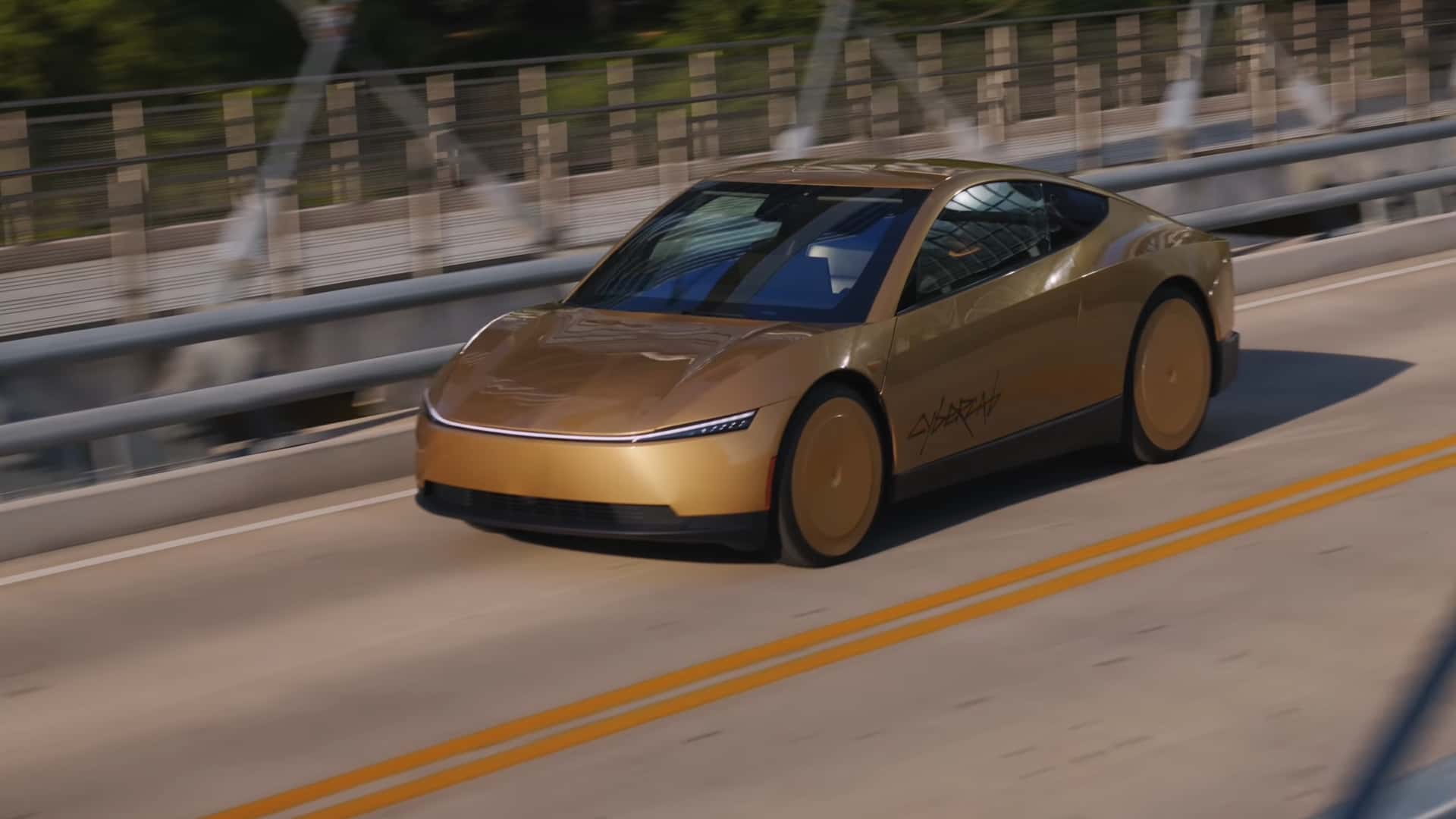
Tesla Cybercab Faces Navigation Issues Similar to Existing Tesla Models
Tesla's new Cybercab robotaxis are reportedly experiencing navigation problems, taking unusual…
2d ago