How To Escape High Gas Prices with E-Bikes
Updated March 11, 2026
5 min read
1 linked source
The article discusses the current high gas prices in the U.S. and suggests that e-bikes can be a practical alternative for those looking to save on fuel costs. It highlights the irony of political promises for cheaper fuel and the reality of rising prices affecting families with gas-powered vehicles. The piece emphasizes the benefits of switching to electric bikes as a solution to mitigate these expenses.
Share this story
Why it matters
- ✓E-bikes offer a cost-effective alternative to traditional gas-powered vehicles, helping owners save on fuel.
- ✓Transitioning to e-bikes can reduce reliance on fluctuating gas prices, providing more stable transportation costs.
- ✓The shift to electric mobility aligns with broader trends in sustainable transportation, appealing to environmentally conscious consumers.
Reporting notes
EV Signal briefs are written to explain the verified change first, then add the context EV buyers and owners need to understand cost, availability, charging access, eligibility, or ownership impact.
If details are still developing, we try to say what is confirmed, what comes from secondary reporting, and what readers should verify before acting.
Source mix
1 linked source
1 media
Reviewed from: CleanTechnica.
How To Escape High Gas Prices with E-Bikes
As gas prices continue to soar across the United States, many families are feeling the pinch at the pump. The irony of political promises for cheaper fuel often contrasts sharply with the reality of rising prices, leaving consumers frustrated and searching for alternatives. In this context, electric bikes (e-bikes) emerge as a practical solution for those looking to escape the financial burden of high gas prices. This article explores how e-bikes can serve as a cost-effective alternative to traditional gas-powered vehicles, helping owners save on fuel costs while contributing to a more sustainable future.
The Current Landscape of Gas Prices
In recent months, gas prices in the U.S. have reached unprecedented levels, driven by a combination of factors including geopolitical tensions, supply chain disruptions, and inflationary pressures. According to the American Automobile Association (AAA), the national average price for a gallon of regular gasoline has fluctuated dramatically, often exceeding $4.00. For families who rely on gas-powered vehicles for their daily commutes, these rising costs can lead to significant financial strain.
The situation is further exacerbated by the cyclical nature of fuel prices, which can spike unexpectedly due to market volatility. This unpredictability makes budgeting for transportation costs increasingly challenging for many households. As a result, consumers are left grappling with the harsh reality of filling up their tanks while political leaders make promises that often fall short of delivering relief.
The E-Bike Solution
E-bikes offer a compelling alternative to traditional vehicles, allowing riders to bypass the high costs associated with gasoline. These electric bicycles are equipped with a battery-powered motor that assists with pedaling, making them an efficient and eco-friendly mode of transportation. Here are several key benefits of switching to e-bikes:
1. Cost Savings
One of the most immediate advantages of e-bikes is the potential for substantial cost savings. The average cost of charging an e-bike battery is significantly lower than the cost of filling up a gas tank. For instance, charging an e-bike can cost as little as $0.30 per full charge, which can provide a range of 20 to 50 miles depending on the model. In contrast, the cost of gasoline for the same distance can easily exceed $5.00 or more, depending on current prices.
Additionally, e-bikes require less maintenance than traditional vehicles, which can further reduce ownership costs. With fewer moving parts and no need for oil changes, e-bike owners can save on repairs and upkeep over time.
2. Stable Transportation Costs
By transitioning to e-bikes, consumers can mitigate their reliance on fluctuating gas prices. E-bikes operate on electricity, which tends to be more stable in pricing compared to gasoline. This stability allows riders to better predict their transportation expenses, making it easier to budget for monthly costs.
Moreover, many regions offer incentives for electric vehicle owners, including tax credits, rebates, and grants for purchasing e-bikes. These financial incentives can further enhance the affordability of e-bike ownership, making it an even more attractive option for budget-conscious consumers.
3. Environmental Impact
The shift to electric mobility aligns with broader trends in sustainable transportation. E-bikes produce zero tailpipe emissions, contributing to cleaner air and reduced greenhouse gas emissions. For environmentally conscious consumers, choosing an e-bike over a gas-powered vehicle represents a significant step toward reducing their carbon footprint.
As cities and communities increasingly prioritize sustainability, e-bikes can play a crucial role in reducing traffic congestion and promoting healthier lifestyles. By opting for e-bikes, riders not only save money but also contribute to a more sustainable future for their communities.
Overcoming Barriers to E-Bike Adoption
While the benefits of e-bikes are clear, some consumers may still hesitate to make the switch. Common concerns include the initial cost of purchasing an e-bike, range anxiety, and the perceived inconvenience of using a bicycle for transportation. However, these barriers can be addressed through education and awareness.
1. Understanding Costs
The upfront cost of e-bikes can vary widely, with prices ranging from a few hundred to several thousand dollars. However, it is essential to consider the long-term savings associated with e-bike ownership. Many consumers find that the initial investment pays off quickly through reduced fuel and maintenance costs.
Additionally, financing options and leasing programs are becoming more common, making e-bikes accessible to a broader audience. Some local governments and organizations also provide subsidies or grants to help offset the purchase price, further enhancing affordability.
2. Addressing Range Anxiety
Range anxiety—the fear of running out of battery power before reaching a destination—can be a significant concern for potential e-bike users. However, advancements in battery technology have led to improved ranges for modern e-bikes, with many models capable of traveling 40 miles or more on a single charge.
For those who require longer distances, the use of e-bikes in conjunction with public transportation can provide a viable solution. Riders can easily transport their e-bikes on buses or trains, allowing for a seamless transition between different modes of travel.
3. Convenience and Infrastructure
As e-bike adoption grows, cities are increasingly investing in infrastructure to support cyclists. Dedicated bike lanes, secure parking facilities, and charging stations are becoming more common, making it easier for e-bike riders to navigate urban environments.
Additionally, e-bikes can often be integrated into daily routines, whether for commuting to work, running errands, or enjoying recreational rides. The convenience of e-bikes allows riders to avoid traffic congestion and parking challenges, enhancing the overall experience of using this mode of transportation.
Conclusion
In a time of rising gas prices and economic uncertainty, e-bikes present a practical and cost-effective alternative for consumers looking to escape the financial burden of fuel costs. With their potential for significant savings, stable transportation expenses, and positive environmental impact, e-bikes are becoming an increasingly attractive option for families and individuals alike.
As more consumers recognize the benefits of e-bikes, the shift toward electric mobility is likely to accelerate, contributing to a more sustainable future. By embracing e-bikes, riders can take control of their transportation costs, reduce their reliance on fluctuating gas prices, and enjoy the many advantages that come with this innovative mode of travel.
Sources
These are the documents and reports used to build this brief so readers can verify the story directly.
- How To Escape The Trump Pump On An E-Bike — CleanTechnicaMEDIA
Comments
Log in with
Loading comments…
More in Ownership
Tesla's Lawyers Misled Witness in Racism Trial
Tesla's ongoing racism trial in California has faced significant setbacks as it was revealed that a…
18h ago
Rivian R2 Faces First Recall Due to Camera Issue
Rivian has issued a recall affecting nearly 99,000 vehicles, including some of its new R2 models,…
18h ago
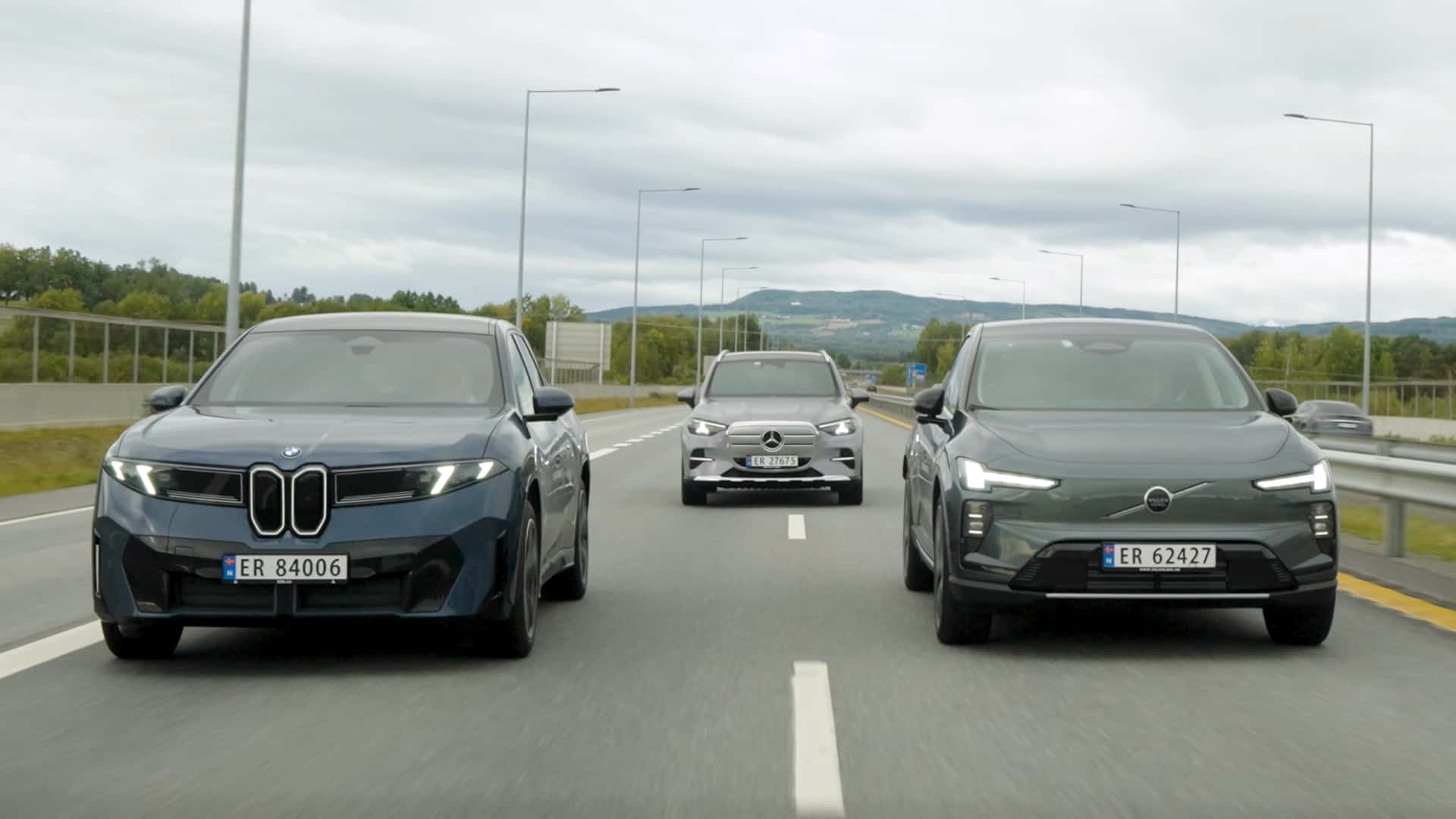
BMW iX3 Outperforms Mercedes GLC and Volvo EX60 in Highway Efficiency Test
In a recent highway test, the BMW iX3 demonstrated superior energy efficiency and range compared to…
1d ago
PHEV Batteries Show Resilience Despite Frequent Cycling
Plug-in hybrid electric vehicles (PHEVs) experience more frequent battery cycling than fully…
1d ago