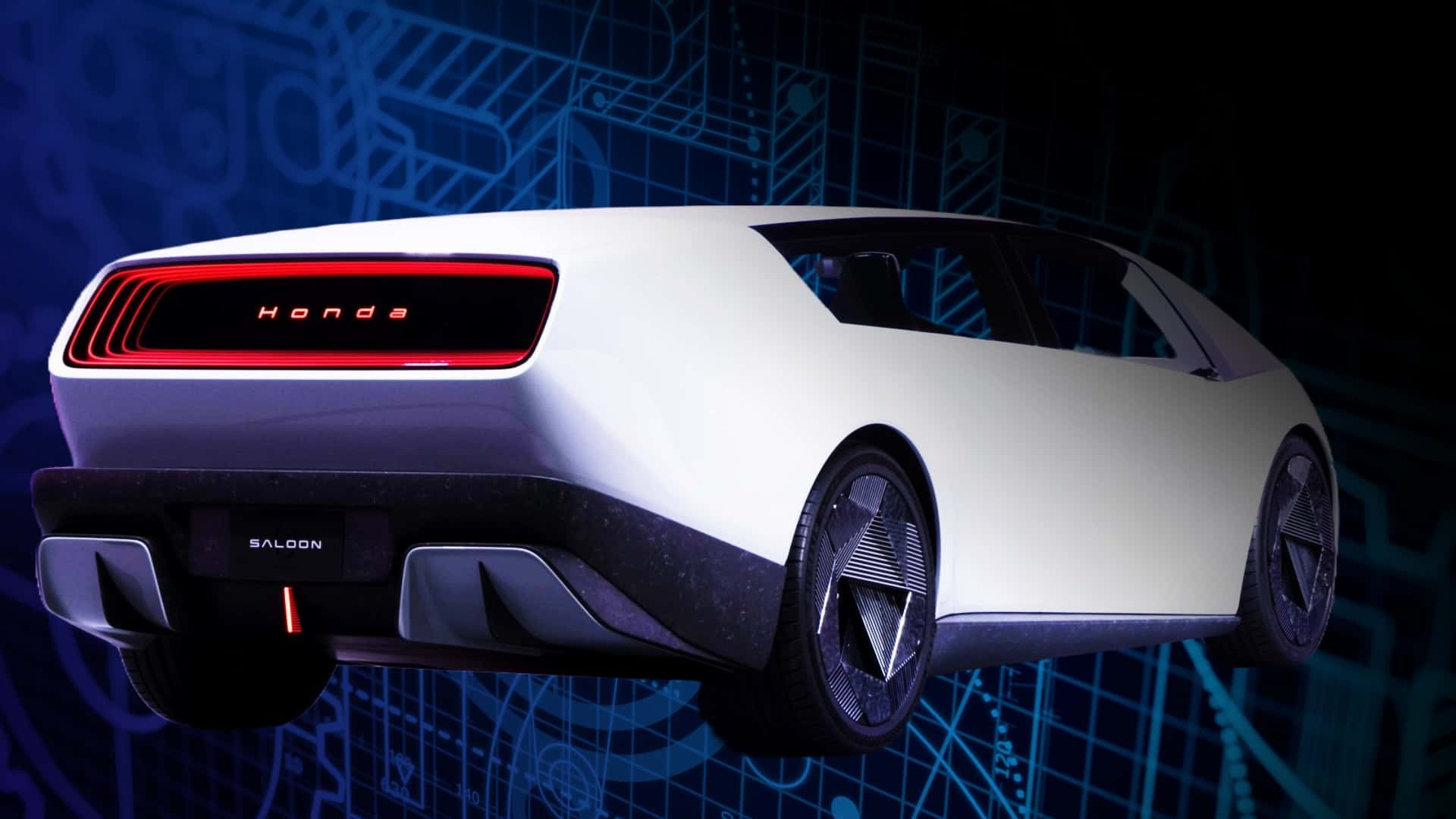
Honda Cancels $11B EV Factory Project in Canada
Updated May 6, 2026
3 min read
1 linked source
Honda has officially canceled its plans for an $11 billion electric vehicle (EV) factory in Canada, which had previously been put on hold for two years. This decision affects the company's production capabilities and future EV offerings in North America, leaving uncertainty about their plans for local manufacturing.
Share this story
Why it matters
- ✓The cancellation may impact the availability of Honda's future EV models in North America, potentially limiting options for buyers.
- ✓Without local manufacturing, Honda may face higher costs and longer delivery times, which could affect pricing for consumers.
- ✓The decision could also influence the competitive landscape in the EV market, as Honda's absence may open opportunities for other manufacturers.
Reporting notes
EV Signal briefs are written to explain the verified change first, then add the context EV buyers and owners need to understand cost, availability, charging access, eligibility, or ownership impact.
If details are still developing, we try to say what is confirmed, what comes from secondary reporting, and what readers should verify before acting.
Source mix
1 linked source
1 media
Reviewed from: InsideEVs.
Honda Cancels $11B EV Factory Project in Canada
Honda has officially canceled its plans for an $11 billion electric vehicle (EV) factory in Canada. This decision follows a two-year hold on the project and has been reported by Nikkei, indicating that the factory is now 'dead in the water.'
What Changed
The cancellation of the EV factory marks a significant shift in Honda's strategy for electric vehicle production in North America. Initially, the factory was intended to bolster Honda's manufacturing capabilities and support its transition to electric vehicles. However, the decision to abandon the project raises questions about Honda's future plans in the EV market and its ability to compete with other automakers who are ramping up production.
Why It Matters for Buyers and Owners
The cancellation of the factory could have several implications for EV buyers and owners:
- Availability of Models: With the factory's closure, Honda may struggle to provide a robust lineup of electric vehicles in North America, limiting choices for consumers interested in Honda's EV offerings.
- Pricing and Costs: The lack of local manufacturing could lead to increased costs for Honda's EVs due to potential import tariffs and shipping expenses, ultimately affecting pricing for consumers.
- Market Competition: Honda's withdrawal from local EV production may create opportunities for other manufacturers to capture market share, potentially impacting the overall competitive landscape in the EV sector.
Key Details from Source Material
According to the report from InsideEVs, Honda's decision to cancel the factory comes after a prolonged period of uncertainty regarding the project's future. The factory was initially announced as a significant investment aimed at enhancing Honda's electric vehicle offerings in North America. However, the two-year hold on the project indicated challenges that the company faced in moving forward. The Nikkei report confirms that the factory is no longer in consideration, leaving Honda's plans for EV production in North America unclear.
What to Watch Next
As Honda navigates this setback, it will be important to monitor any announcements regarding alternative strategies for EV production and development. Observers should pay attention to Honda's upcoming model releases and any potential partnerships or collaborations that may arise as the company seeks to strengthen its position in the electric vehicle market. Additionally, the response from competitors and the overall impact on the EV market dynamics will be crucial to watch in the coming months.
Sources
These are the documents and reports used to build this brief so readers can verify the story directly.
- Honda’s $11B EV Factory In Canada Is Dead: Report — InsideEVsMEDIA
Comments
Log in with
Loading comments…
More in Models & Pricing
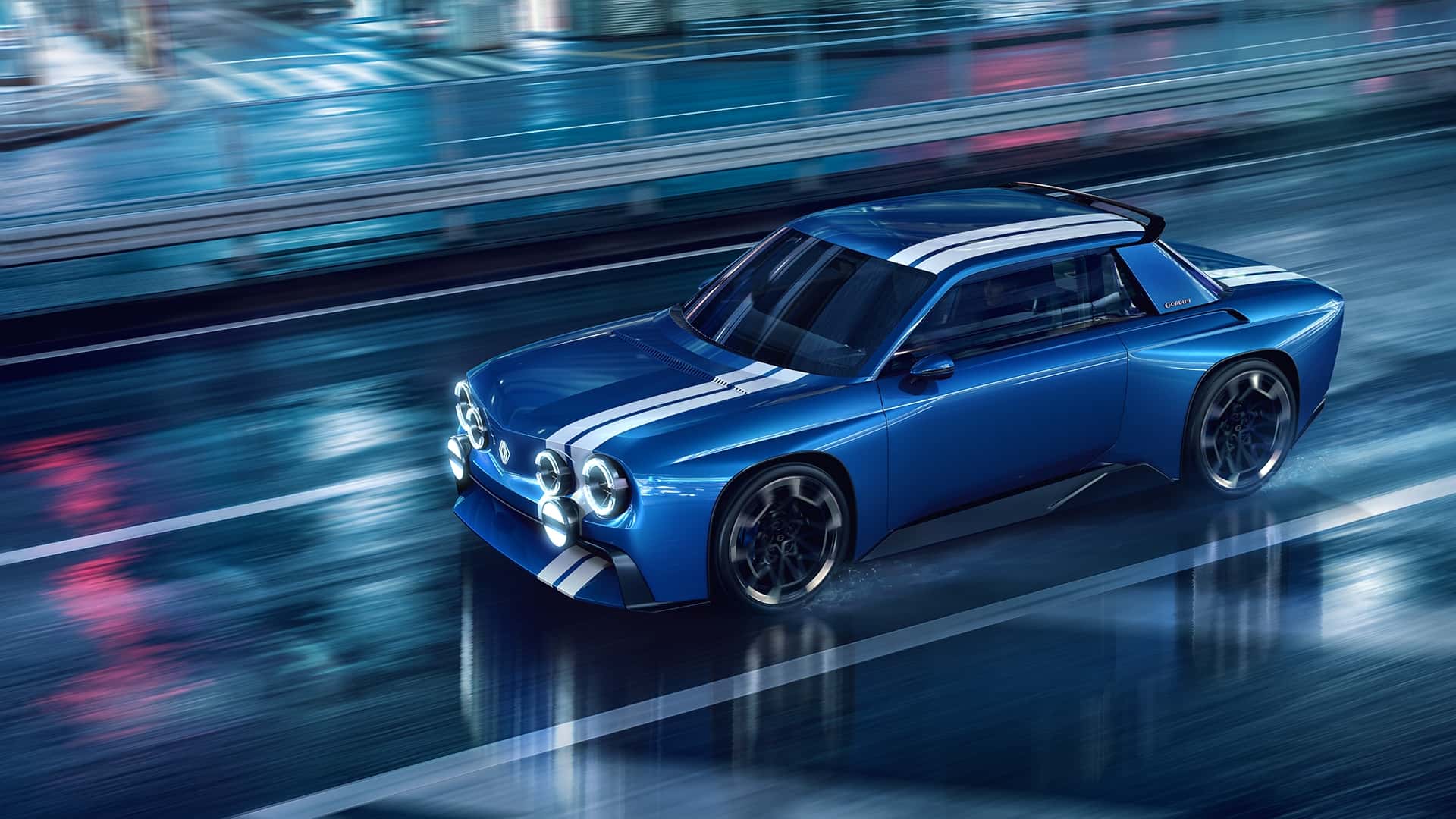
Renault 8 Gordini Returns as Rear-Wheel Drive EV
Renault has unveiled the return of the iconic Renault 8 Gordini as a rear-wheel drive electric…
Just now
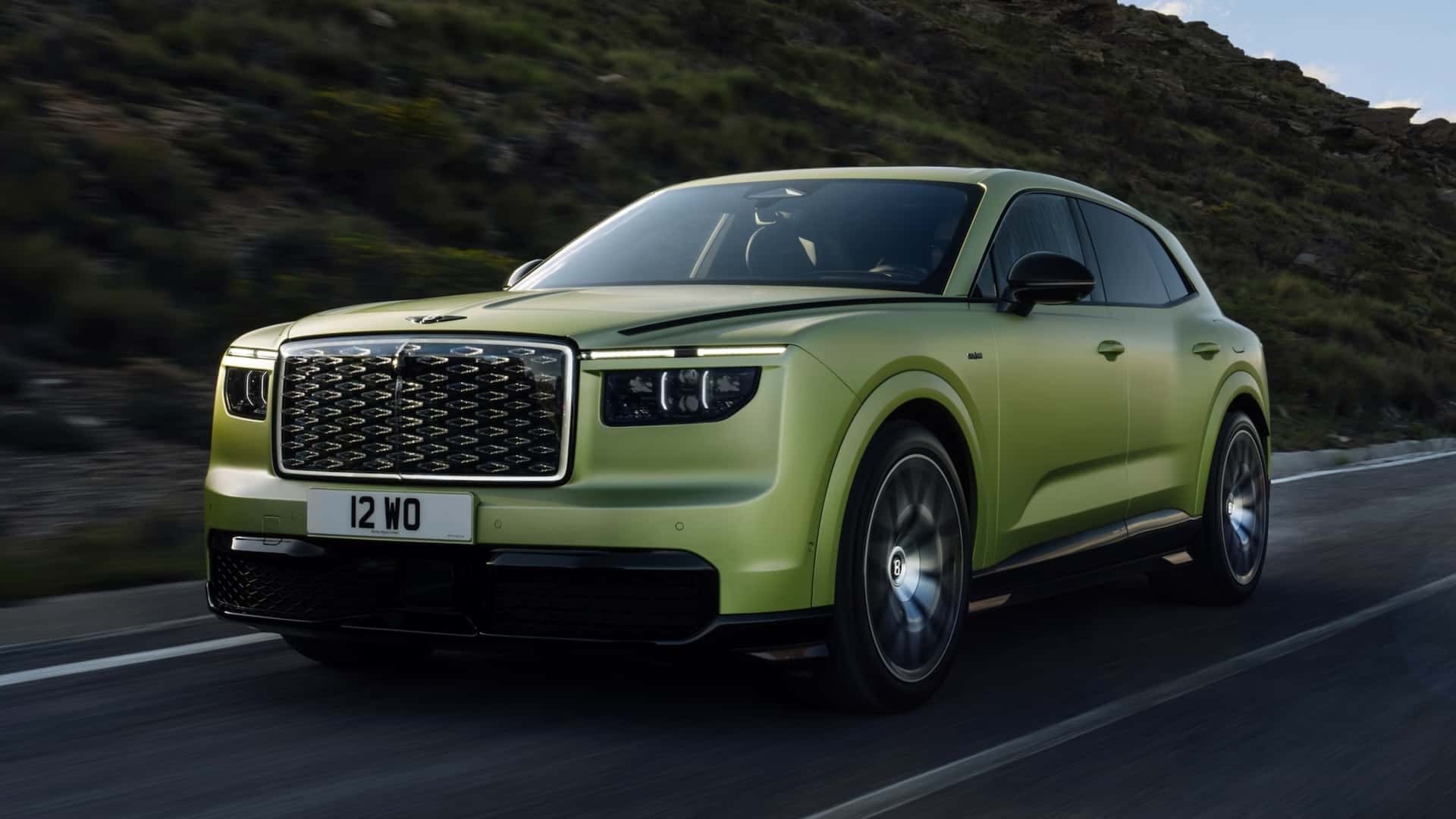
Bentley's First EV, the Torcal, Offers Rapid Charging Capabilities
Bentley has launched its first electric vehicle, the Torcal, a midsize SUV that boasts rapid…
12h ago
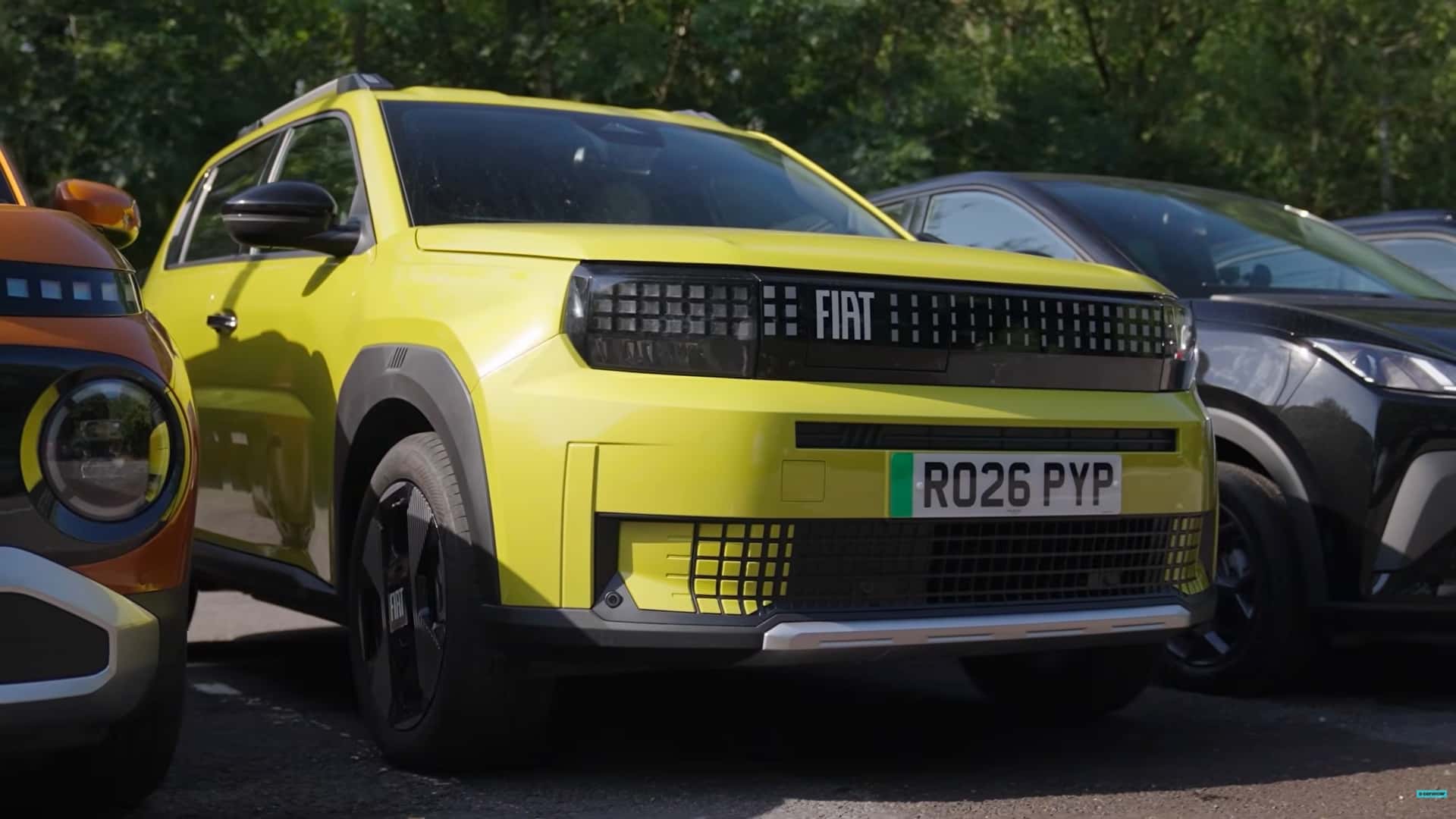
Fiat Grande Panda Outperforms Claimed Range in Real-World Test
In a recent highway range test, the Fiat Grande Panda exceeded its officially claimed range,…
12h ago
Bentley Launches Torcal, Its First All-Electric SUV
Bentley has officially unveiled the Torcal, marking its entry into the electric vehicle market.…
12h ago