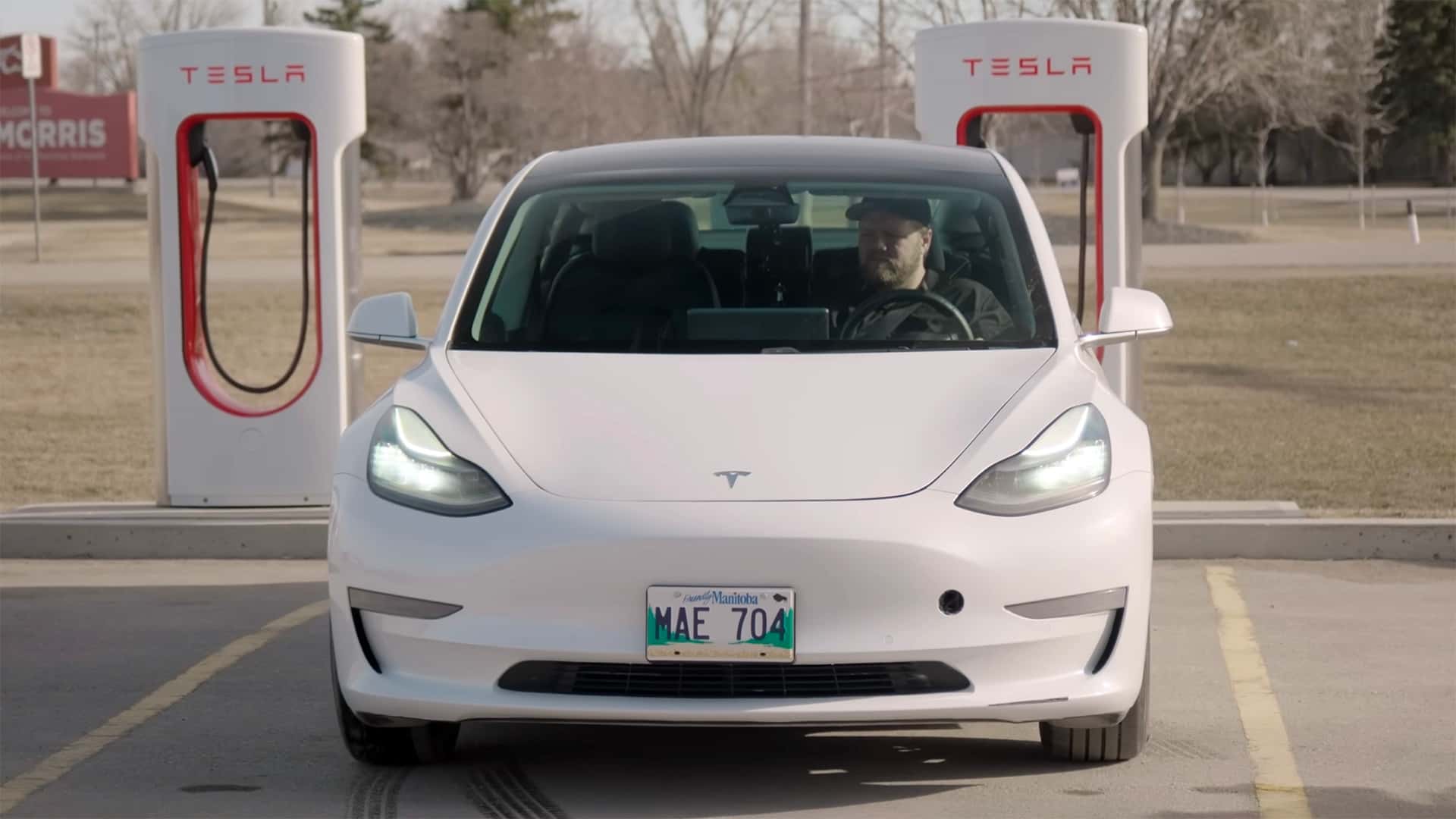
High-Mileage Tesla Model 3 Shows Significant Battery Capacity Loss
Updated May 3, 2026
3 min read
1 linked source
A 2019 Tesla Model 3 Standard Range Plus has reached 380,000 miles while retaining its original battery. However, it has experienced a loss of approximately one-third of its original battery capacity, raising concerns about long-term battery performance in electric vehicles.
Share this story
Why it matters
- ✓Potential buyers should consider battery degradation when evaluating high-mileage EVs, as significant range loss can impact usability.
- ✓Current owners of older Tesla Model 3s may face reduced range, affecting daily driving and charging habits.
- ✓Understanding battery longevity can influence resale value and ownership costs for EVs.
Reporting notes
EV Signal briefs are written to explain the verified change first, then add the context EV buyers and owners need to understand cost, availability, charging access, eligibility, or ownership impact.
If details are still developing, we try to say what is confirmed, what comes from secondary reporting, and what readers should verify before acting.
Source mix
1 linked source
1 media
Reviewed from: InsideEVs.
High-Mileage Tesla Model 3 Shows Significant Battery Capacity Loss
A 2019 Tesla Model 3 Standard Range Plus has reached an impressive milestone of 380,000 miles while still using its original battery. However, this longevity comes with a notable downside: the vehicle has lost around one-third of its original battery capacity. This significant range loss raises important questions about the long-term performance and reliability of electric vehicle batteries.
What Changed
The primary change observed in this high-mileage Tesla Model 3 is the substantial decrease in battery capacity. Originally designed to provide a certain range, the vehicle now delivers significantly less distance per charge due to the degradation of its battery cells. While the car continues to operate, the reduction in range could impact the day-to-day usability for its owner.
Why It Matters for Buyers and Owners
The findings from this high-mileage Tesla Model 3 serve as a crucial reminder for both potential buyers and current owners of electric vehicles. Here are a few key considerations:
- Battery Degradation: Prospective buyers should factor in battery health when considering high-mileage EVs. A significant loss in range could limit the vehicle's practicality, especially for those who rely on their car for long commutes or road trips.
- Impact on Current Owners: Owners of older Tesla Model 3s may find their driving range diminished, which could necessitate more frequent charging or adjustments to their driving habits. This may also lead to increased ownership costs if the vehicle requires more frequent charging or if the owner needs to invest in a new battery sooner than expected.
- Resale Value: Understanding how battery longevity affects resale value is essential for EV owners. A vehicle with reduced battery capacity may not command the same price in the used car market, impacting the overall cost of ownership.
Key Details from Source Material
According to InsideEVs, the 2019 Model 3 Standard Range Plus has proven to be reliable despite its high mileage. However, the reported loss of approximately one-third of its original battery capacity is significant. This level of degradation is a critical factor for anyone considering the purchase of a used Tesla or any high-mileage electric vehicle.
What to Watch Next
As the electric vehicle market continues to evolve, it will be important to monitor how battery technology develops and how manufacturers address battery longevity. Future advancements may lead to improved battery life and reduced degradation rates, which could enhance the overall ownership experience for EV drivers. Additionally, further studies on battery performance in high-mileage vehicles will provide valuable insights for both current and prospective EV owners.
In conclusion, while this 380,000-mile Tesla Model 3 demonstrates the durability of electric vehicles, the significant range loss highlights the importance of battery health in long-term ownership considerations.
Sources
These are the documents and reports used to build this brief so readers can verify the story directly.
Comments
Log in with
Loading comments…
More in Ownership
Tesla's Lawyers Misled Witness in Racism Trial
Tesla's ongoing racism trial in California has faced significant setbacks as it was revealed that a…
18h ago
Rivian R2 Faces First Recall Due to Camera Issue
Rivian has issued a recall affecting nearly 99,000 vehicles, including some of its new R2 models,…
18h ago
BMW iX3 Outperforms Mercedes GLC and Volvo EX60 in Highway Efficiency Test
In a recent highway test, the BMW iX3 demonstrated superior energy efficiency and range compared to…
1d ago
PHEV Batteries Show Resilience Despite Frequent Cycling
Plug-in hybrid electric vehicles (PHEVs) experience more frequent battery cycling than fully…
1d ago