
HEVO Collaborates with ORNL and BMW on Wireless EV Charging Technology Evaluation

Edited by Ionna Brakeley
Charging & Ownership
Updated October 1, 2026
3 min read
1 linked source
HEVO, a New York-based supplier of wireless charging solutions, is partnering with Oak Ridge National Laboratory (ORNL) and BMW to evaluate next-generation wireless EV charging technology. This collaboration aims to enhance the compatibility and efficiency of wireless charging systems, which could significantly impact the future of EV charging infrastructure. However, specific details on the outcomes of this evaluation and its timeline remain unclear.
Share this story
Why it matters
- ✓Advancements in wireless charging technology could improve convenience for EV owners, eliminating the need for physical charging cables.
- ✓If successful, this technology may lead to broader adoption of wireless charging stations, enhancing charging access for EV users.
- ✓The collaboration could influence the cost and availability of future EV models equipped with wireless charging capabilities.
HEVO Collaborates with ORNL and BMW on Wireless EV Charging Technology Evaluation
HEVO, a New York-based Tier 1 supplier specializing in wireless charging hardware and software, has announced a partnership with Oak Ridge National Laboratory (ORNL) and BMW to evaluate next-generation wireless electric vehicle (EV) charging technology. This initiative is part of a technology evaluation program aimed at advancing the efficiency and compatibility of wireless charging systems for electric vehicles.
What Changed
The collaboration between HEVO, ORNL, and BMW signifies a focused effort to refine wireless charging technology. HEVO will provide its expertise in wireless charging, engineering support, and innovative circular coil topologies to assist BMW in bench testing the technology's compatibility with various EV models. This evaluation is expected to play a crucial role in determining how effectively wireless charging can be integrated into future EV designs.
Why It Matters for Buyers/Owners
-
Convenience: If successful, wireless charging technology could eliminate the hassle of plugging in EVs, making charging as simple as parking over a charging pad.
-
Infrastructure Development: The evaluation could lead to the establishment of more wireless charging stations, enhancing accessibility and convenience for EV owners, especially in urban areas where traditional charging infrastructure may be limited.
-
Future Vehicle Options: As BMW and other manufacturers explore this technology, it may influence the design and features of upcoming EV models, potentially leading to vehicles that are more user-friendly and equipped with advanced charging capabilities.
Key Details from Source Material
According to Charged EVs, HEVO's role in this partnership includes providing engineering support and expertise in wireless charging systems. The collaboration is particularly focused on evaluating how well these systems can be integrated with BMW's existing EV lineup. The specific outcomes of this evaluation, including timelines and potential commercialization of the technology, have not yet been disclosed.
What to Watch Next
As this partnership progresses, it will be important to monitor updates regarding the results of the technology evaluation. Key points to watch include:
- Results of Bench Testing: Insights into how well the wireless charging technology performs with different EV models.
- Commercialization Plans: Any announcements regarding the rollout of wireless charging solutions in BMW vehicles or partnerships with charging infrastructure providers.
- Market Adoption: How other manufacturers respond to advancements in wireless charging technology and whether they pursue similar collaborations.
In conclusion, the collaboration between HEVO, ORNL, and BMW represents a significant step towards enhancing wireless charging technology for electric vehicles. While the potential benefits for EV owners are promising, the details surrounding the evaluation's outcomes and future implementation remain to be seen.
Sources
These are the documents and reports used to build this brief so readers can verify the story directly.
- HEVO works with ORNL and BMW to evaluate next-gen wireless EV charging tech — Charged EVsMEDIA
Reporting notes
EV Signal briefs are written to explain the verified change first, then add the context EV buyers and owners need to understand cost, availability, charging access, eligibility, or ownership impact.
If details are still developing, we try to say what is confirmed, what comes from secondary reporting, and what readers should verify before acting.
Source mix
1 linked source
1 media
Reviewed from: Charged EVs.
Comments
Log in with
Loading comments…
More in Charging
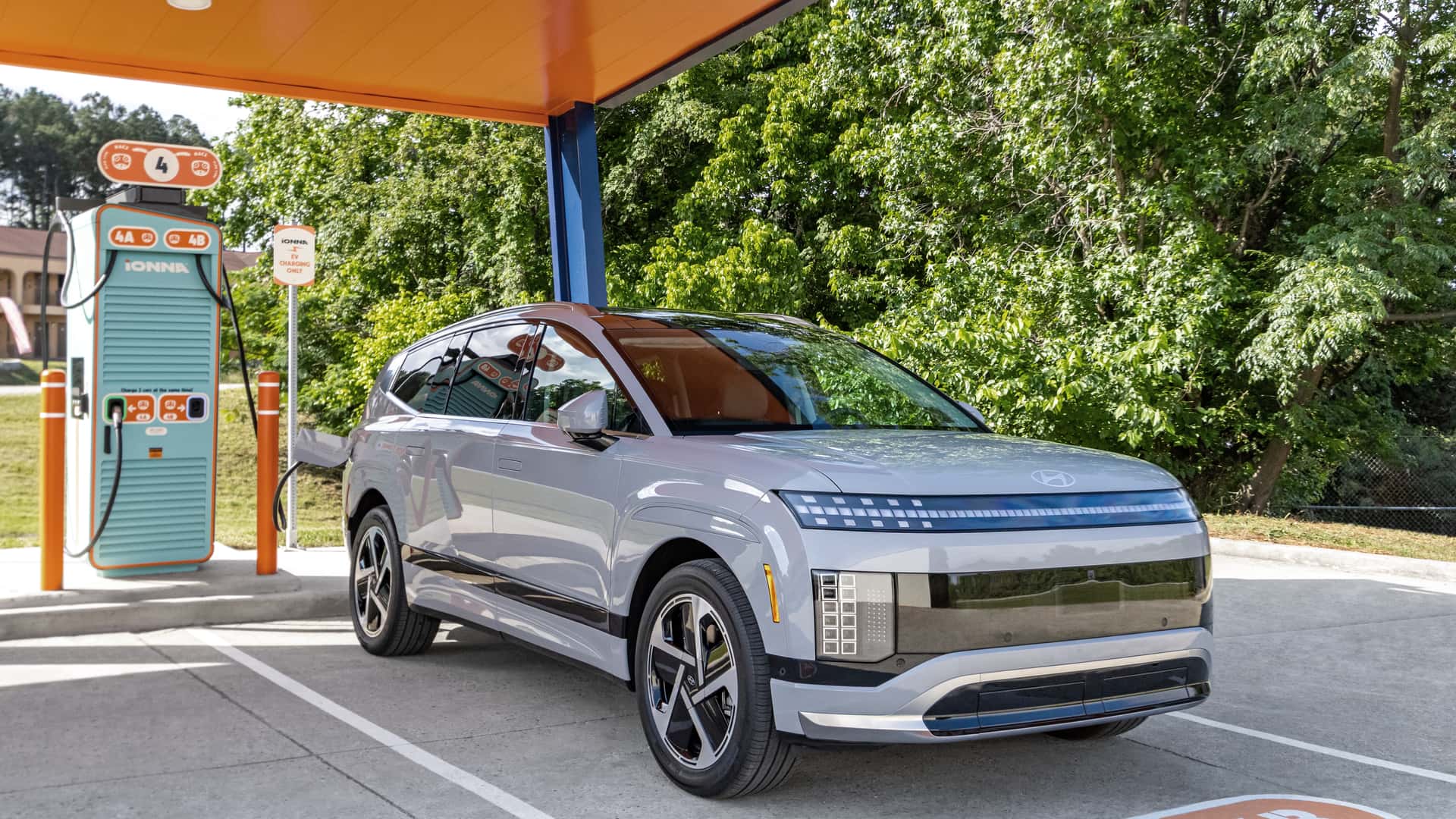
Ionna Doubles Charging Network in 2023, Expanding Access for EV Users
Ionna has successfully doubled its charging network this year, now boasting over 180 charging sites…
5h ago
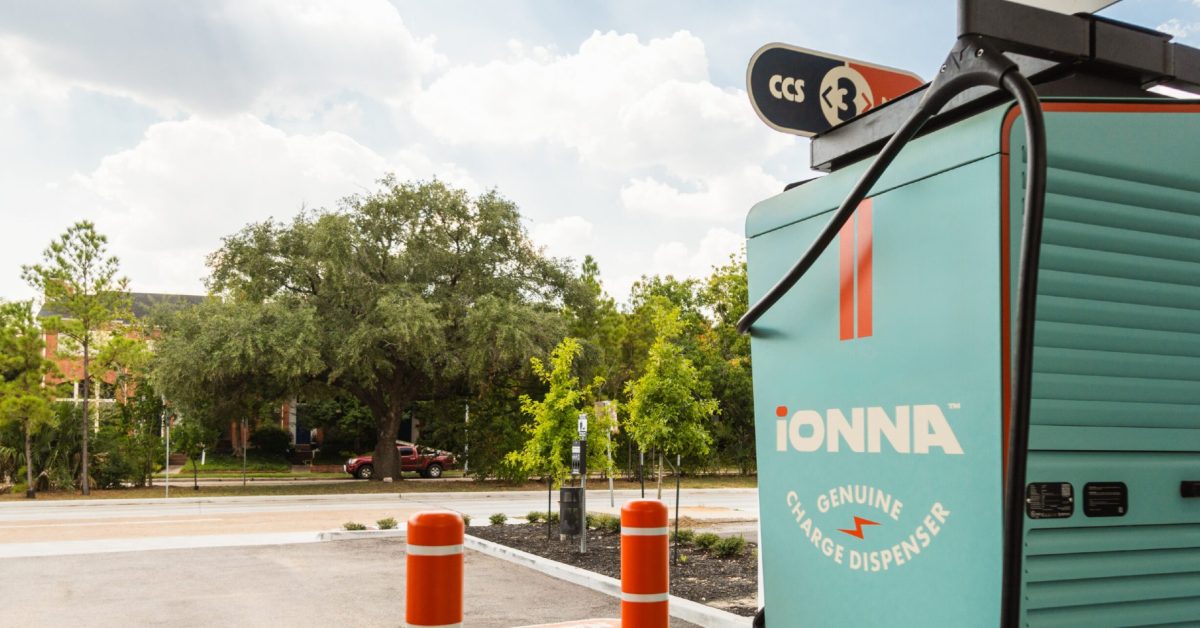
IONNA Expands to Over 180 Charging Sites with Discounts for Select EV Drivers
IONNA, a rapidly growing DC fast charging company, has surpassed 180 charging sites across the…
11h ago

L&T Semiconductor Technologies Launches 1,200 V SiC MOSFET Platform for EV Fast Chargers
L&T Semiconductor Technologies (LTSCT) has introduced a new 1,200 V silicon carbide (SiC) MOSFET…
11h ago
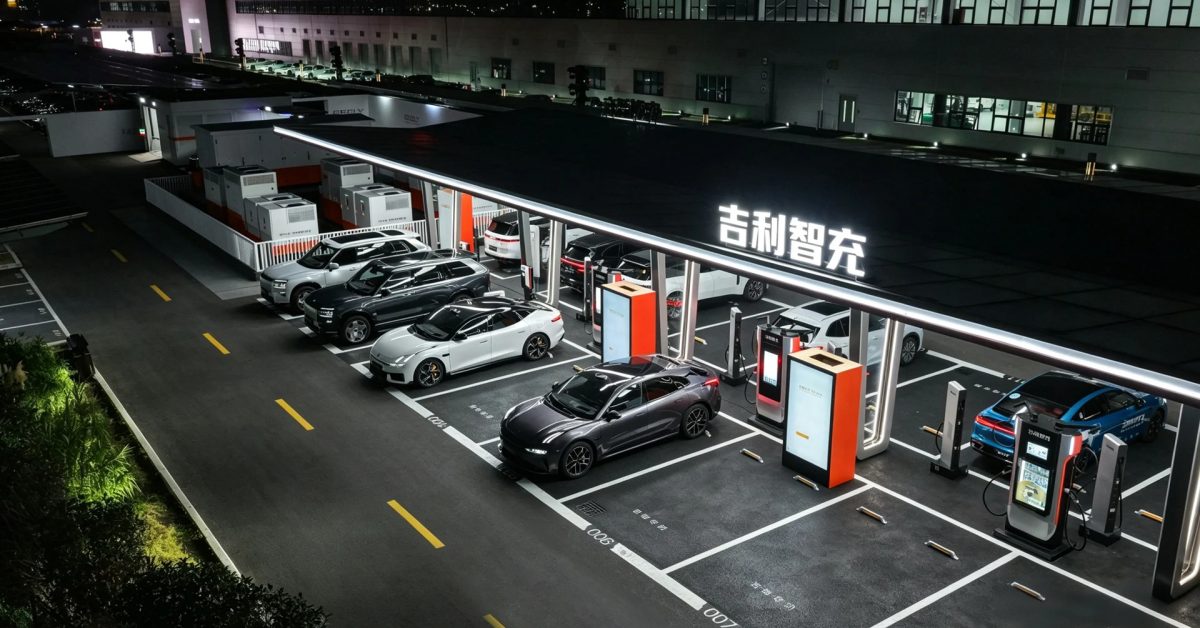
China Launches 2,250kW EV Chargers; US Plans 750kW Chargers for Next Year
China has introduced 2,250kW EV chargers capable of fully charging electric vehicles in under five…
11h ago