
GM Partners with Redwood Materials for Full Battery Lifecycle Management
Updated June 10, 2026
3 min read
1 linked source
General Motors has become the first automaker to partner with Redwood Materials across the entire battery lifecycle, including manufacturing scrap recovery, end-of-life recycling, and second-life energy storage. This partnership will utilize repurposed GM battery packs to create a 1.5 MW / 7.2 MWh energy storage system at a Michigan manufacturing plant, projected to save over $3 million in electricity costs.
Share this story
Why it matters
- ✓This partnership could lead to lower costs for EV production, potentially translating to better pricing for consumers.
- ✓The use of recycled battery materials may enhance the sustainability of GM's EV offerings, appealing to environmentally conscious buyers.
- ✓The energy storage system could improve the reliability of power supply at GM facilities, which may indirectly benefit production timelines and vehicle availability.
Reporting notes
EV Signal briefs are written to explain the verified change first, then add the context EV buyers and owners need to understand cost, availability, charging access, eligibility, or ownership impact.
If details are still developing, we try to say what is confirmed, what comes from secondary reporting, and what readers should verify before acting.
Source mix
1 linked source
1 media
Reviewed from: Electrek.
GM Partners with Redwood Materials for Full Battery Lifecycle Management
General Motors has expanded its partnership with Redwood Materials to cover every stage of the battery lifecycle. This makes GM the first automaker to collaborate with Redwood across manufacturing scrap recovery, end-of-life recycling, and second-life energy storage. The latest development includes the installation of a 1.5 MW / 7.2 MWh energy storage system at a GM manufacturing plant in Michigan, utilizing approximately 100 repurposed GM battery packs.
What Changed
The partnership now encompasses a comprehensive approach to battery management, which includes:
- Manufacturing Scrap Recovery: Ensuring that materials left over from battery production are effectively reused.
- End-of-Life Recycling: Facilitating the recycling of batteries once they are no longer usable.
- Second-Life Energy Storage: Implementing systems that can repurpose old batteries for energy storage, thus extending their lifecycle.
The new energy storage system is expected to save GM's Michigan plant more than $3 million in electricity costs over its operational lifetime, highlighting the financial benefits of this initiative.
Why It Matters for Buyers and Owners
This partnership could have several implications for EV buyers and owners:
- Cost Efficiency: By potentially lowering production costs through effective recycling and energy management, GM may be able to offer more competitively priced electric vehicles in the future.
- Sustainability: The focus on recycling and repurposing battery materials aligns with growing consumer demand for environmentally friendly products, which could enhance GM's market appeal.
- Production Reliability: The energy storage system may improve the reliability of power supply at GM facilities, which could positively impact production timelines and vehicle availability for consumers.
Key Details from Source Material
According to Electrek, the energy storage system being installed at the Michigan plant is a significant step in GM's commitment to sustainability and efficient resource management. JB Straubel, the founder of Redwood Materials, has emphasized the importance of a circular economy in battery production, which this partnership aims to achieve. The initiative not only addresses the environmental impact of battery production and disposal but also seeks to create economic benefits for GM through reduced operational costs.
What to Watch Next
As this partnership progresses, it will be important to monitor:
- Implementation Timeline: Updates on when the energy storage system will be fully operational and its impact on the plant's electricity costs.
- Future Collaborations: Whether other automakers will follow GM's lead in partnering with Redwood or similar companies to enhance their battery lifecycle management.
- Consumer Impact: Any changes in vehicle pricing or availability that may result from these operational efficiencies.
Overall, GM's partnership with Redwood Materials marks a significant step in the automotive industry's shift towards sustainability and efficient resource management in the EV sector.
Sources
These are the documents and reports used to build this brief so readers can verify the story directly.
Comments
Log in with
Loading comments…
More in Ownership
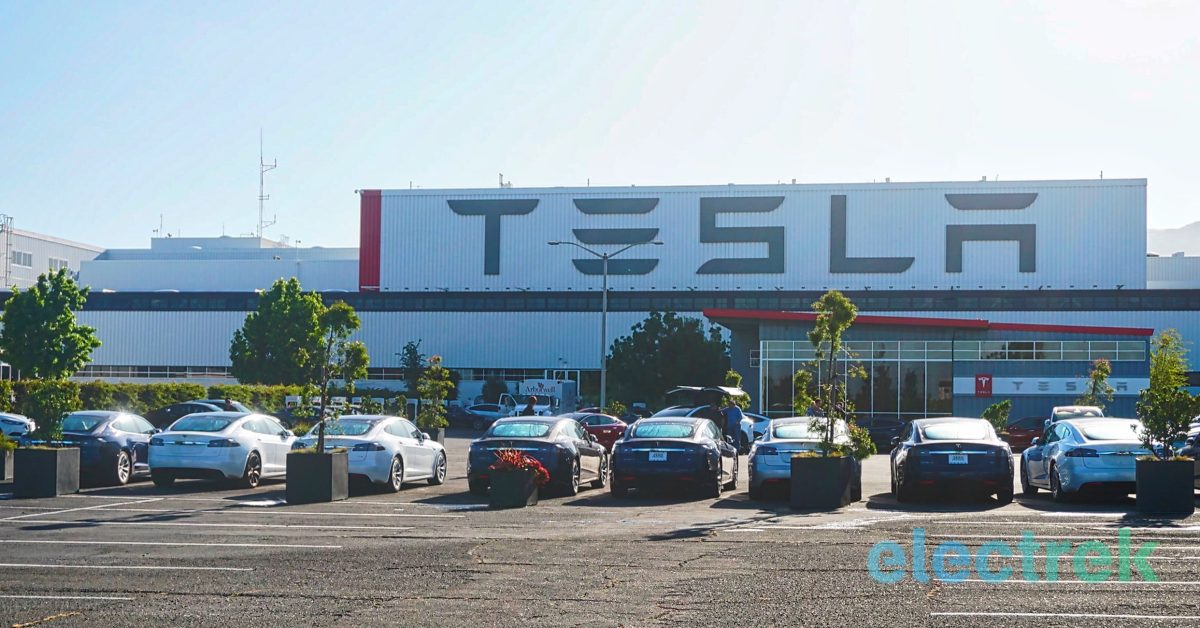
Tesla's Lawyers Misled Witness in Racism Trial
Tesla's ongoing racism trial in California has faced significant setbacks as it was revealed that a…
18h ago
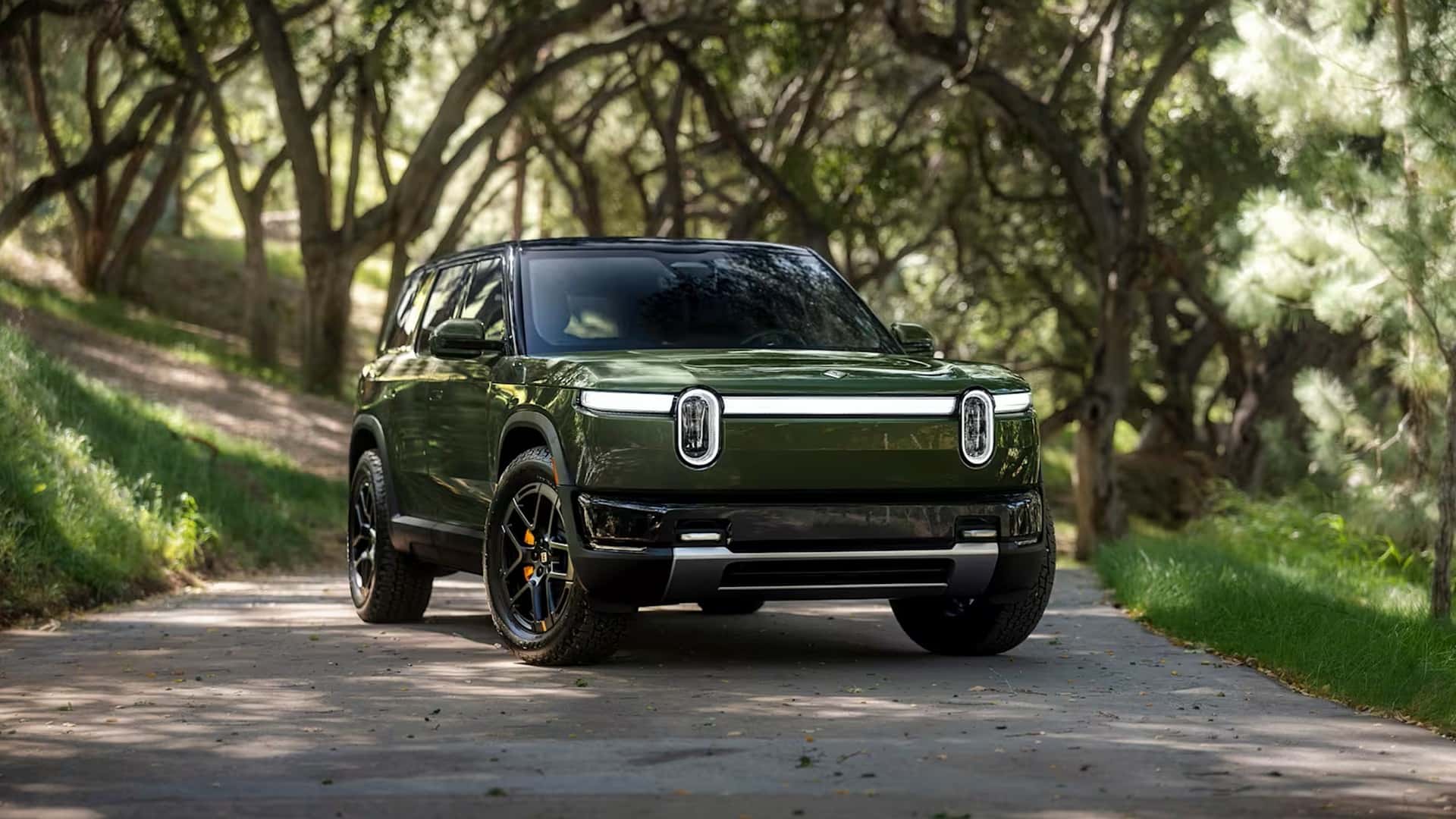
Rivian R2 Faces First Recall Due to Camera Issue
Rivian has issued a recall affecting nearly 99,000 vehicles, including some of its new R2 models,…
18h ago
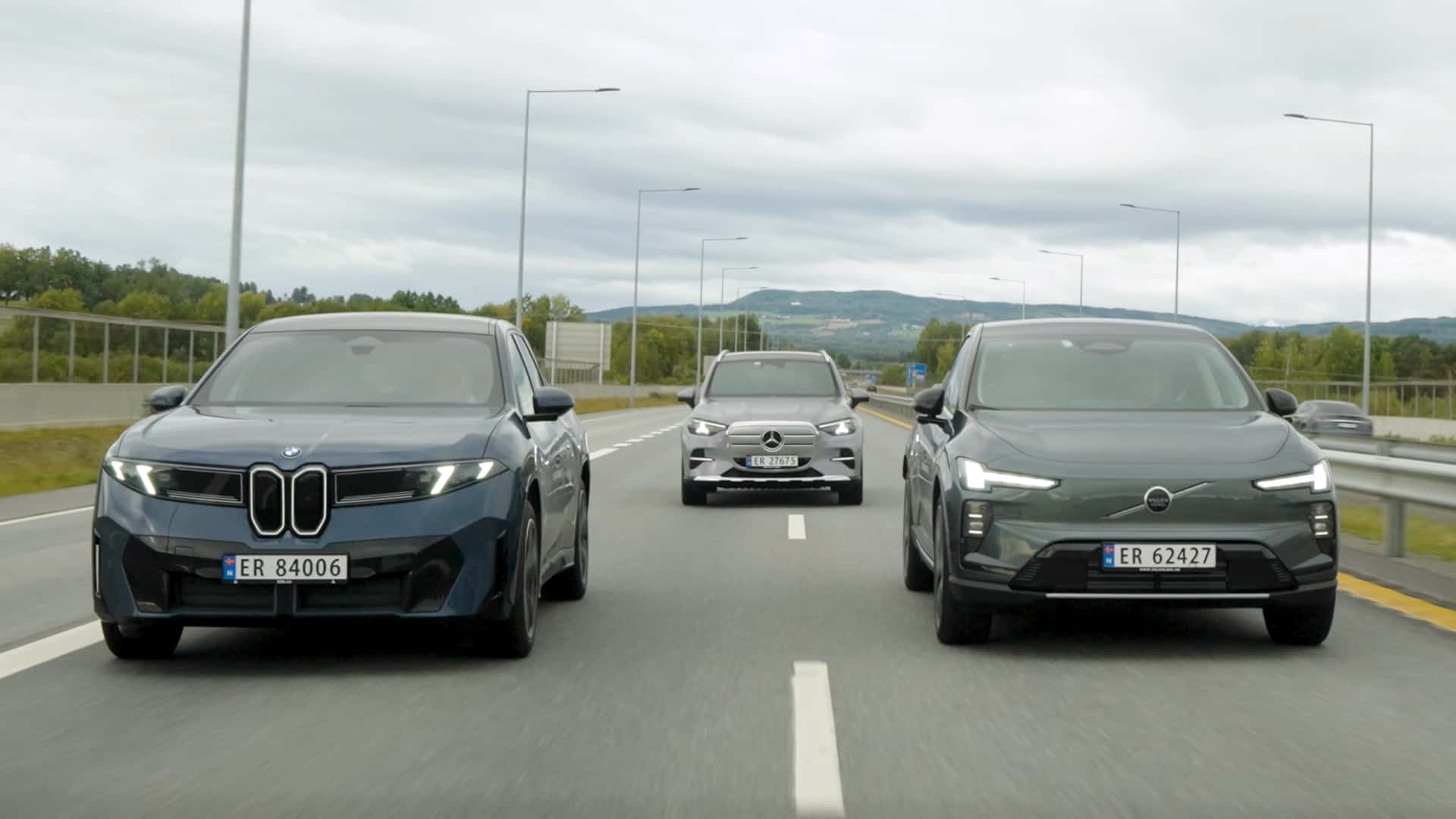
BMW iX3 Outperforms Mercedes GLC and Volvo EX60 in Highway Efficiency Test
In a recent highway test, the BMW iX3 demonstrated superior energy efficiency and range compared to…
1d ago
PHEV Batteries Show Resilience Despite Frequent Cycling
Plug-in hybrid electric vehicles (PHEVs) experience more frequent battery cycling than fully…
1d ago