GM Partners with Peak Energy to Develop Sodium-Ion Battery Cells for Grid Storage
General Motors (GM) has announced a partnership with Peak Energy to develop next-generation sodium-ion battery cells, specifically aimed at grid-scale energy storage projects. This initiative is part of GM Ventures' strategic investment in Peak Energy, but the new battery technology will not be used in electric vehicles (EVs) at this time.

Key takeaways
30-second read- 1The focus on sodium-ion batteries may indicate a shift in battery technology, potentially affecting future EV battery developments.
- 2As these batteries are designed for grid storage, they may indirectly influence the availability and cost of energy for EV charging.
- 3The absence of lithium in these batteries could lead to lower costs and increased sustainability in energy storage solutions.
Confirmed
No official source linked yet
Reported
Secondary reporting: Electrek
Verify yourself
Eligibility, local prices and dates for your car, state or utility
GM's New Partnership with Peak Energy
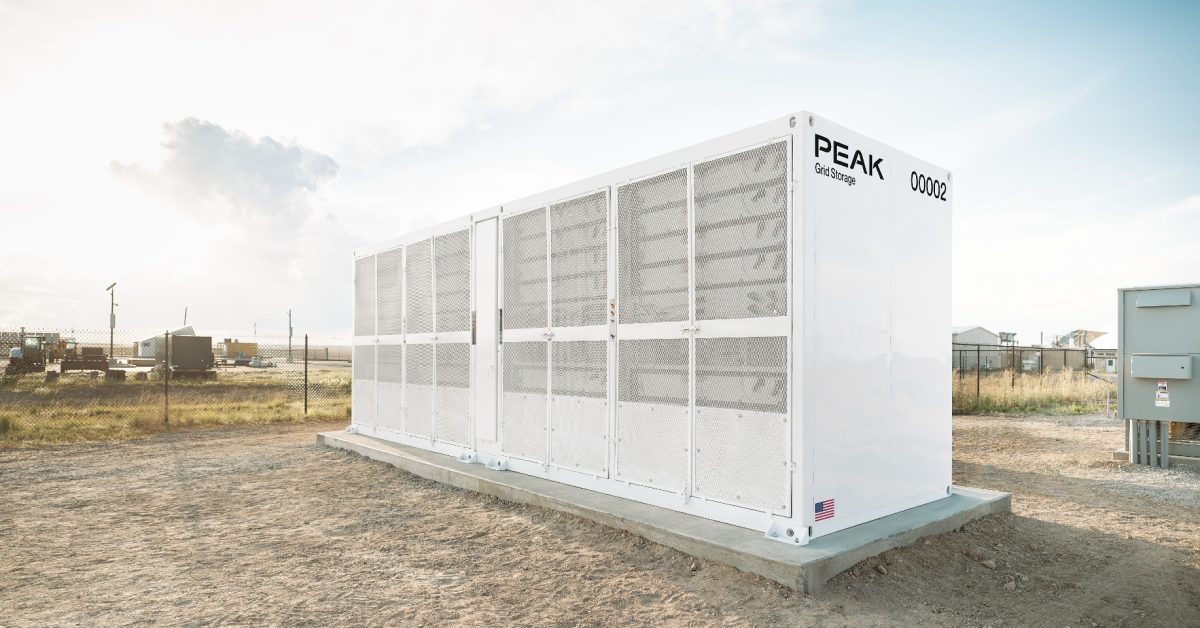
General Motors (GM) has officially partnered with Peak Energy to develop sodium-ion battery cells intended for grid-scale energy storage projects. This collaboration marks a significant step in GM's exploration of alternative battery technologies, although it is important to note that these new cells will not be utilized in electric vehicles (EVs) at this time.
What Changed
GM Ventures has made a strategic investment in Peak Energy, focusing on the development of next-generation sodium-ion batteries. Unlike traditional lithium-ion batteries, sodium-ion technology utilizes sodium, which is more abundant and potentially less expensive than lithium. However, the immediate application of this technology is limited to energy storage solutions rather than EVs.
Why It Matters for Buyers and Owners
While the sodium-ion batteries are not being developed for EVs, their implications could still resonate with EV buyers and owners:
- Future Battery Developments: The exploration of sodium-ion technology may pave the way for future advancements in battery technology that could eventually benefit electric vehicles.
- Energy Availability and Costs: As these batteries are aimed at grid storage, they could help stabilize energy costs and availability, which may indirectly affect the cost of charging EVs in the long run.
- Sustainability: The use of sodium instead of lithium could lead to more sustainable battery production, potentially reducing the environmental impact associated with EV ownership.
Key Details from Source Material
According to Electrek, GM's partnership with Peak Energy is a strategic move to innovate in the energy storage sector. The sodium-ion batteries are designed to enhance grid-scale energy storage capabilities, which is crucial as the demand for renewable energy sources grows. This initiative reflects GM's broader commitment to exploring alternative technologies that could reshape the energy landscape.
What to Watch Next
As GM and Peak Energy move forward with the development of sodium-ion batteries, it will be important to monitor:
- Future Applications: Whether GM will eventually adapt this technology for use in electric vehicles or other applications.
- Performance Metrics: The performance and cost-effectiveness of sodium-ion batteries compared to traditional lithium-ion batteries as they are developed.
- Industry Response: How other automakers and energy companies respond to this development and whether they will pursue similar technologies.
In summary, while GM's current focus on sodium-ion batteries is not directly related to electric vehicles, it signifies a potential shift in battery technology that could influence the future of energy storage and, by extension, the EV market.
Sources
1 media- [1]GM is betting on battery cells that don’t use lithium [updated]Media
Electrek · electrek.co · published Oct 23
Newsletter
Weekly EV signal. No spam.
Comments
Log in with
Loading comments…