
GM Partners with Peak Energy to Develop Sodium-Ion Battery Cells for Grid Storage
Updated June 11, 2026
3 min read
1 linked source
General Motors (GM) has announced a partnership with Peak Energy to develop next-generation sodium-ion battery cells. These batteries will be utilized for grid-scale energy storage projects rather than electric vehicles (EVs). GM Ventures is making a strategic investment in Peak Energy to support this initiative.
Share this story
Why it matters
- ✓The focus on sodium-ion batteries may indicate a shift in battery technology that could influence future EV battery development.
- ✓As sodium-ion batteries are developed for grid storage, it may lead to advancements that could eventually benefit EV technology, potentially reducing costs.
- ✓Current EV buyers and owners should note that this development does not directly impact existing EV models or battery technology.
Reporting notes
EV Signal briefs are written to explain the verified change first, then add the context EV buyers and owners need to understand cost, availability, charging access, eligibility, or ownership impact.
If details are still developing, we try to say what is confirmed, what comes from secondary reporting, and what readers should verify before acting.
Source mix
1 linked source
1 media
Reviewed from: Electrek.
GM's New Partnership for Sodium-Ion Battery Development
General Motors (GM) has officially partnered with Peak Energy to develop next-generation sodium-ion battery cells. Unlike traditional lithium-ion batteries, these sodium-ion cells are intended for grid-scale energy storage projects rather than for use in electric vehicles (EVs). This strategic move is part of GM's broader efforts to innovate in the energy storage sector, with GM Ventures making a significant investment in Peak Energy to facilitate this development.
What Changed?
The key change here is GM's shift in focus towards sodium-ion battery technology through its collaboration with Peak Energy. While lithium-ion batteries have dominated the EV market, sodium-ion batteries present a potentially more sustainable and cost-effective alternative for energy storage. However, it is important to note that these new battery cells will not be used in GM's electric vehicles but are instead aimed at enhancing grid storage capabilities.
Why It Matters for Buyers and Owners
-
Future Implications for Battery Technology: While this development is not directly related to current EV models, advancements in sodium-ion technology could eventually influence future battery designs for electric vehicles, potentially leading to lower costs and improved performance.
-
Cost Reduction Potential: Sodium-ion batteries are generally considered to be less expensive to produce than lithium-ion batteries. If successful, this technology could pave the way for more affordable energy storage solutions, which may indirectly benefit EV owners through reduced energy costs.
-
No Immediate Impact on Current EVs: For existing EV buyers and owners, this partnership does not change the current landscape of electric vehicle technology or battery options. Current models will continue to use lithium-ion batteries, and there are no immediate plans for sodium-ion batteries to be integrated into GM's EV lineup.
Key Details from Source Material
According to Electrek, GM's collaboration with Peak Energy is a strategic investment aimed at developing sodium-ion battery cells specifically for grid-scale energy storage projects. This initiative reflects a growing interest in alternative battery technologies that could provide more sustainable energy solutions. Sodium-ion batteries, while still in the development phase, are seen as a promising alternative due to their potential for lower production costs and abundant raw materials compared to lithium.
What to Watch Next
As GM and Peak Energy move forward with their sodium-ion battery development, it will be important to monitor the progress of this technology and any announcements regarding its potential applications in the EV market. While the current focus is on grid storage, advancements in sodium-ion technology could eventually lead to breakthroughs that benefit electric vehicle owners. Keep an eye on GM's future announcements regarding battery technology and any shifts in their EV strategy that may arise from this partnership.
Sources
These are the documents and reports used to build this brief so readers can verify the story directly.
- GM is betting on battery cells that don’t use lithium — ElectrekMEDIA
Comments
Log in with
Loading comments…
More in Ownership
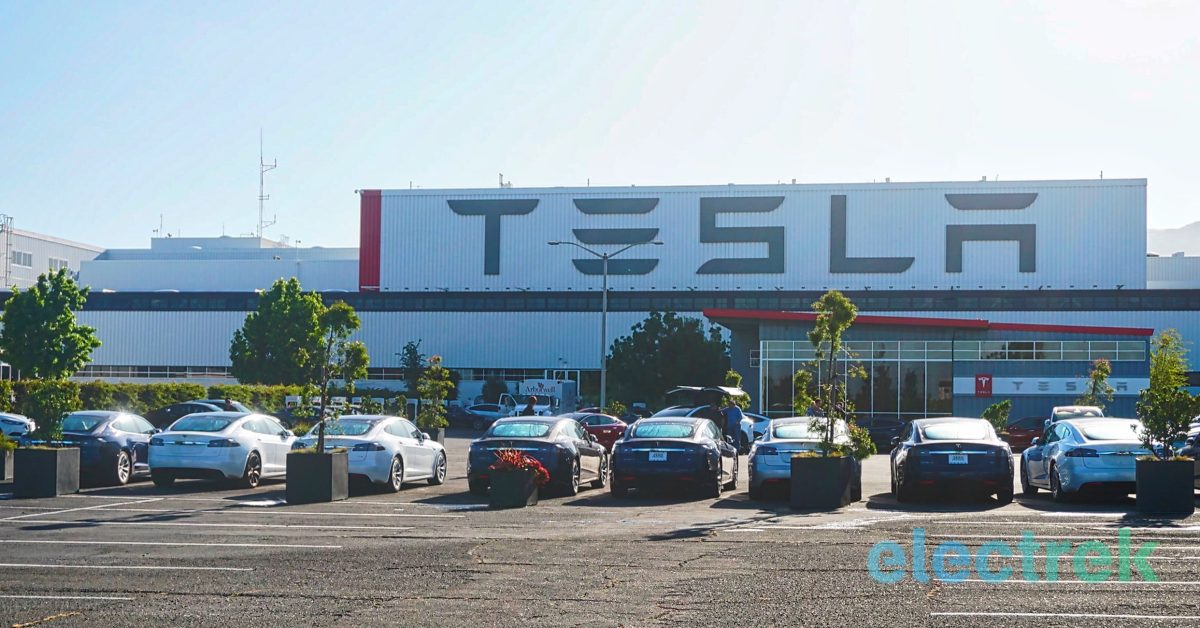
Tesla's Lawyers Misled Witness in Racism Trial
Tesla's ongoing racism trial in California has faced significant setbacks as it was revealed that a…
18h ago
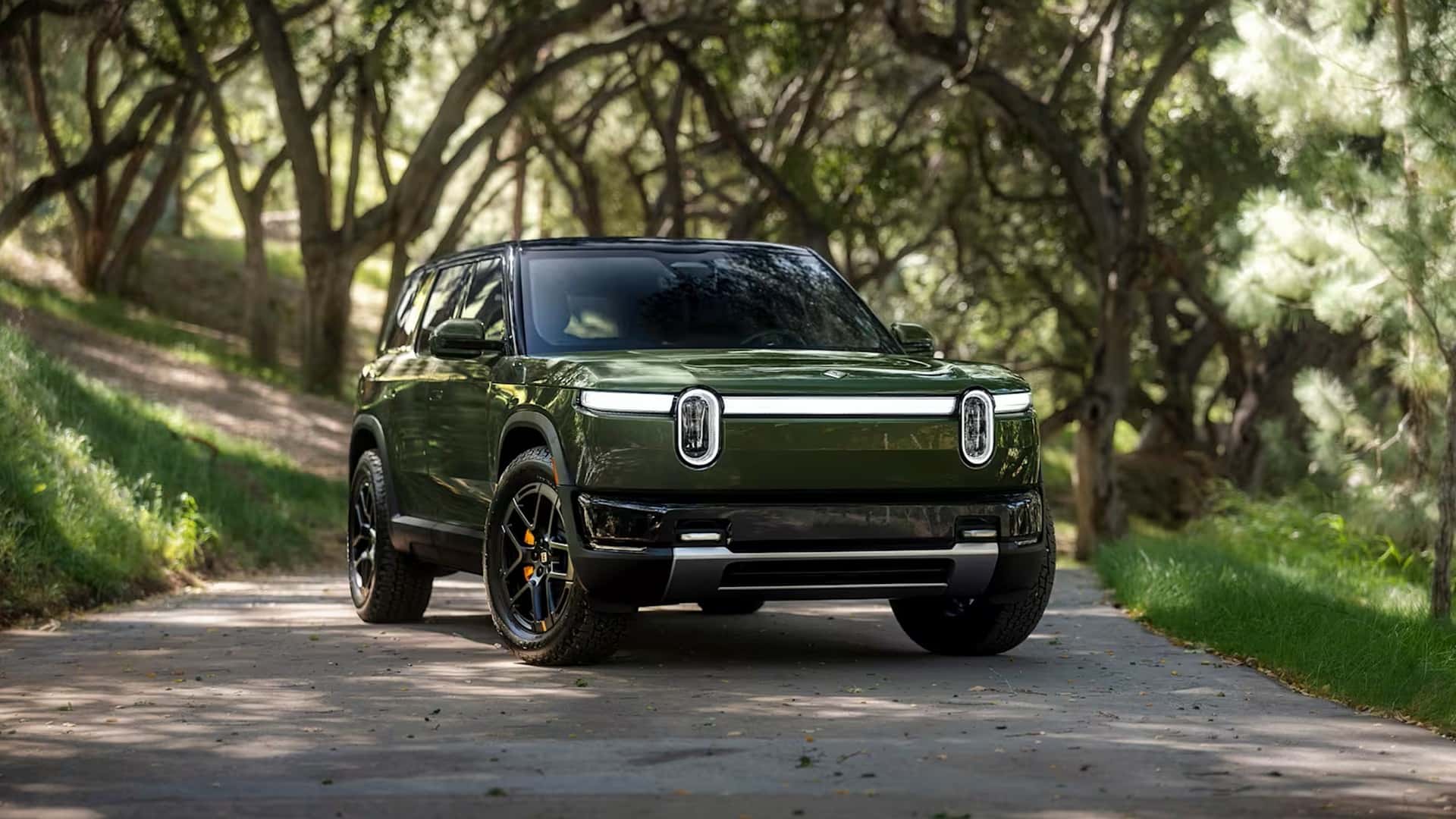
Rivian R2 Faces First Recall Due to Camera Issue
Rivian has issued a recall affecting nearly 99,000 vehicles, including some of its new R2 models,…
18h ago
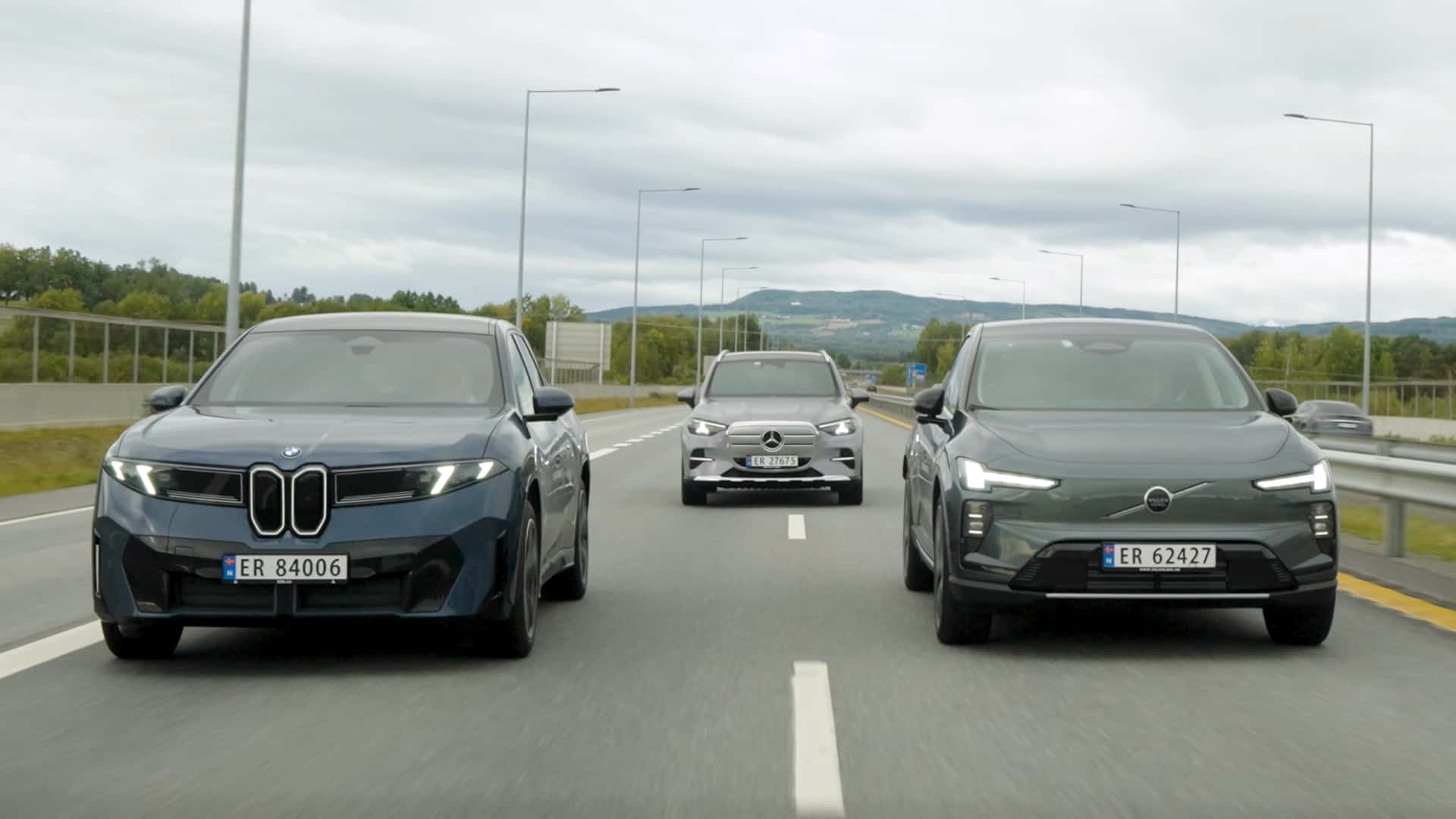
BMW iX3 Outperforms Mercedes GLC and Volvo EX60 in Highway Efficiency Test
In a recent highway test, the BMW iX3 demonstrated superior energy efficiency and range compared to…
1d ago
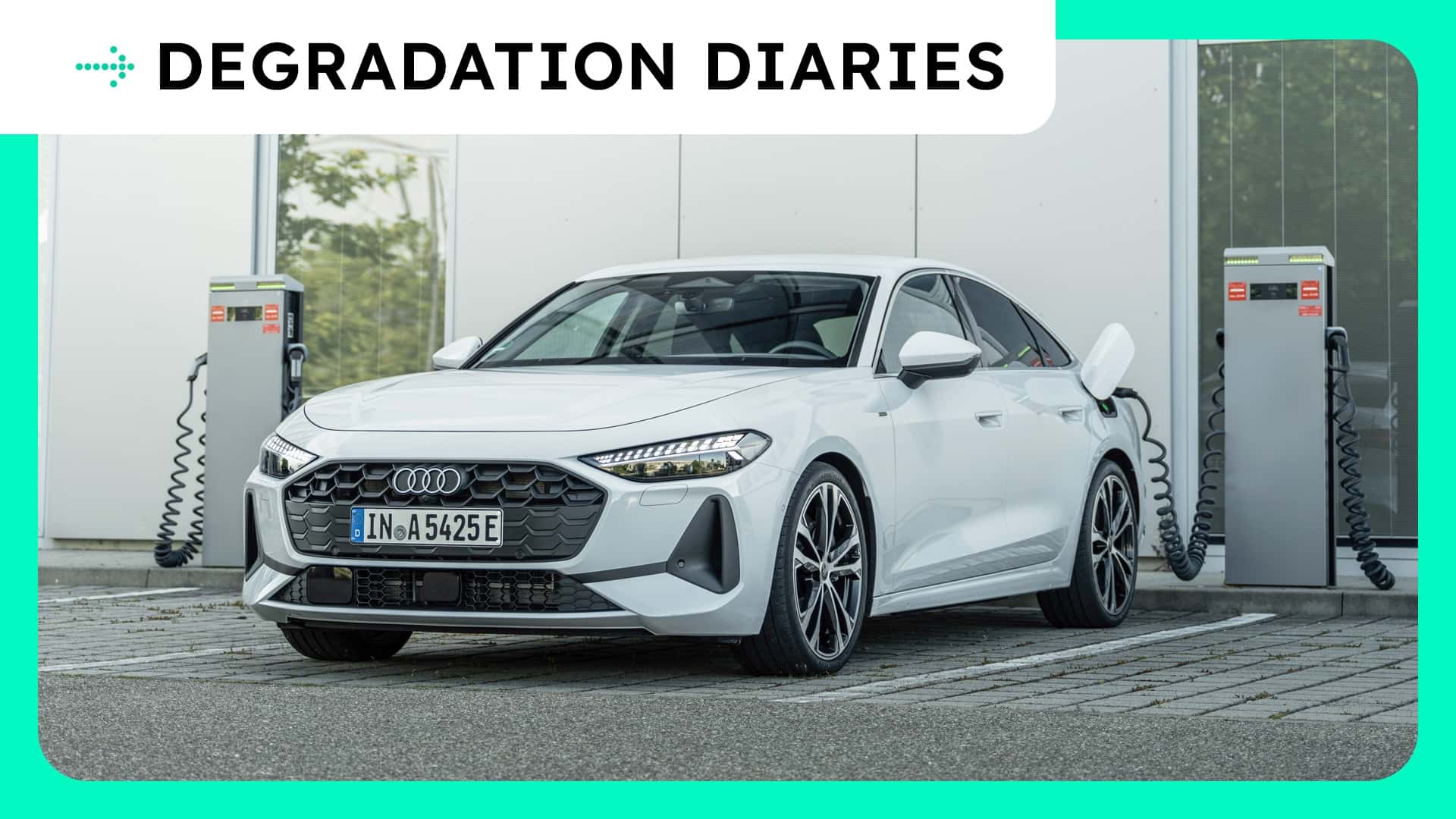
PHEV Batteries Show Resilience Despite Frequent Cycling
Plug-in hybrid electric vehicles (PHEVs) experience more frequent battery cycling than fully…
1d ago